01 Energy Storage Safety Pain Point: These Gases Are the "Invisible Killers" of Thermal Runaway
Safety accidents caused by thermal runaway of lithium batteries stem from various hazardous gases released during the process, coupled with potential hydrogen leakage in hydrogen energy storage systems, which together constitute safety hazards:
Early stage of thermal runaway
The Solid Electrolyte Interface (SEI) film on the negative electrode decomposes, the separator melts and shrinks, releasing hydrogen (H₂) and Volatile Organic Compounds (VOCs);
Intensified stage of thermal runaway
Short circuit between positive and negative electrodes triggers violent reactions, producing carbon monoxide (CO), methane (CH₄), ethylene (C₂H₄), etc.;
Core risk
Most of these gases are flammable/toxic. Once their concentration reaches the Lower Flammable Limit (LFL), they may ignite and explode when exposed to open flames or high temperatures, endangering personal and equipment safety.
Therefore, accurate monitoring of characteristic gases such as H₂, VOCs and CO is crucial for early warning of thermal runaway and preventing danger escalation.
02 Core Solution: MST Combined Sensors Cover Full-Stage Early Warning of Thermal Runaway
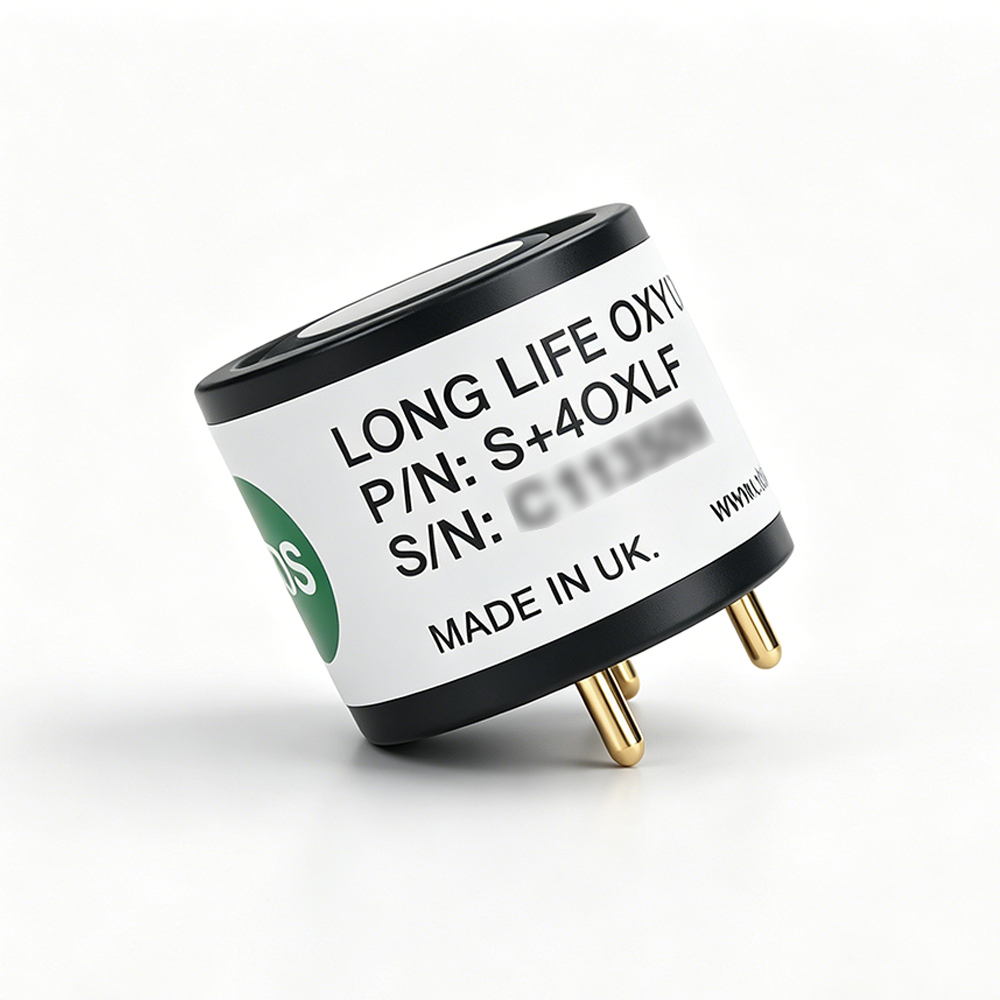
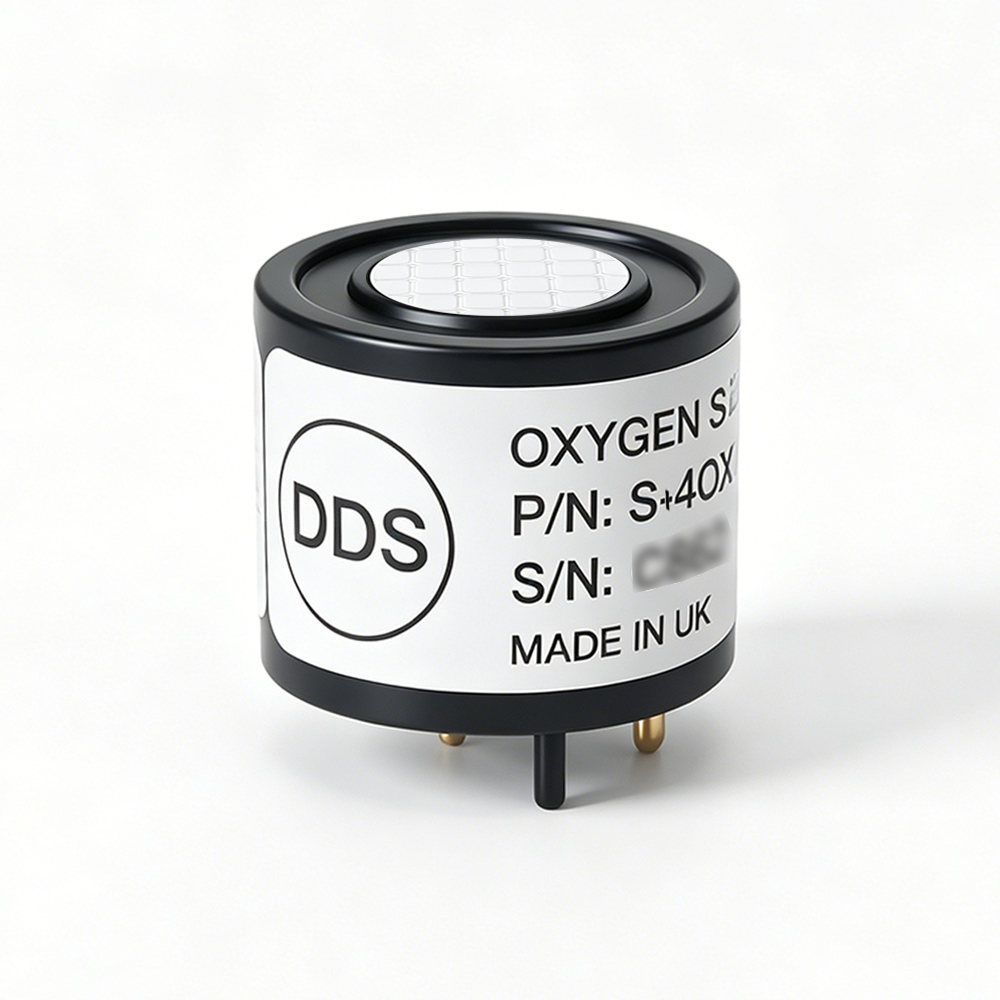
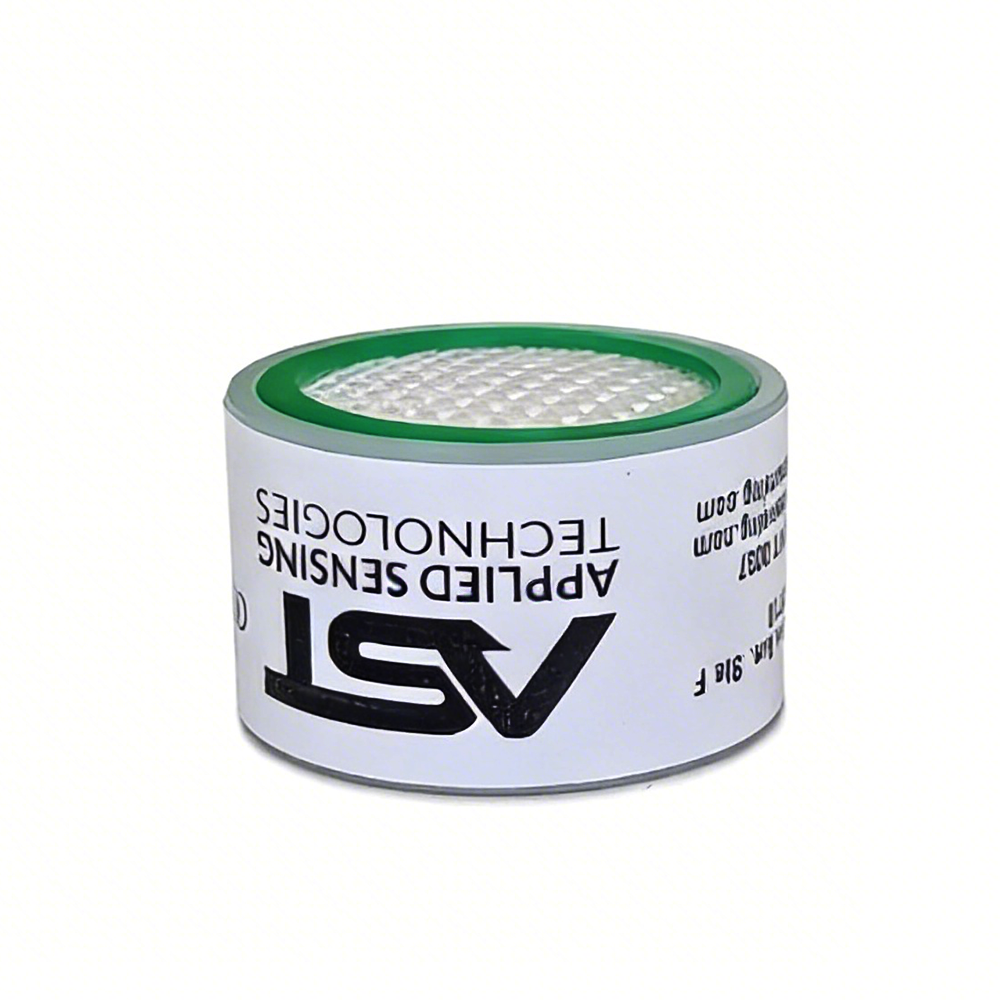
To meet the gas monitoring needs of energy storage projects, our company launches a "full-stage early warning combined solution" — MST136 spectral gas sensor + MST140/MST141 electrochemical sensors, which balance high-precision detection and rapid response, perfectly adapting to different scenarios such as lithium battery and hydrogen energy storage.
Early Warning: MST136 Air Quality (Odor) Sensor
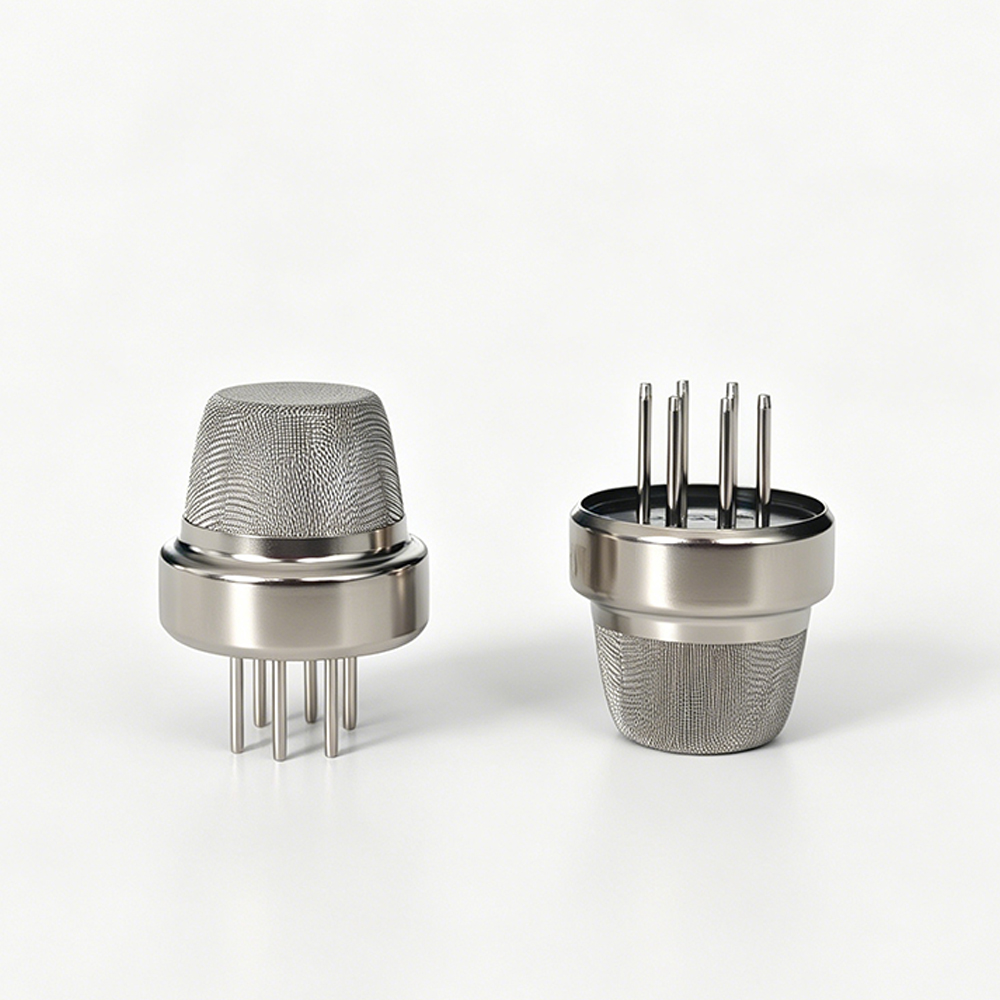
In the early stage of thermal runaway, VOCs are the first to be released during the gas emission phase, serving as "early warning signals". As a broad-spectrum gas sensor, MST136 has extremely high sensitivity to trace reducing gases (including VOCs), which can capture abnormal signals before the battery reaches the critical temperature, gaining valuable response time for staff.
Core Advantages: High sensitivity, low cost, long service life and low power consumption, suitable for long-term monitoring needs of energy storage projects;
Core Function: Trigger "suspicious" early warning and initiate preliminary inspection procedures.
Risk Confirmation: MST141 Electrochemical Sensor
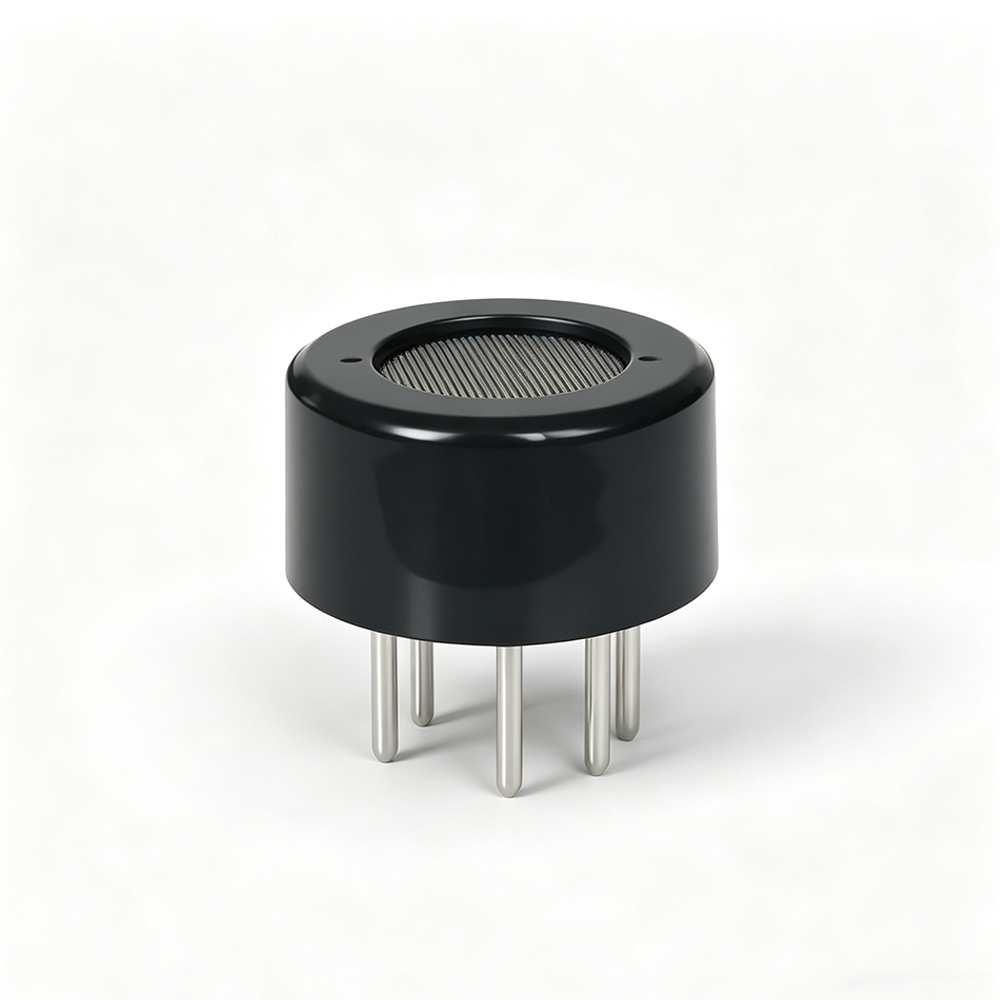
As thermal runaway progresses, lithium batteries release a large amount of hydrogen (H₂). Being highly flammable and explosive, hydrogen is a core indicator for judging risk escalation. MST141 can quickly and accurately monitor hydrogen concentration, providing real-time insight into flammable gas accumulation.
Core Advantages: Fast response speed and high detection accuracy, capable of capturing concentration changes precisely;
Core Function: Confirm risk level, guiding staff to take intervention measures such as ventilation and power cut to avoid explosions.
Emergency Response: MST140 Electrochemical Sensor
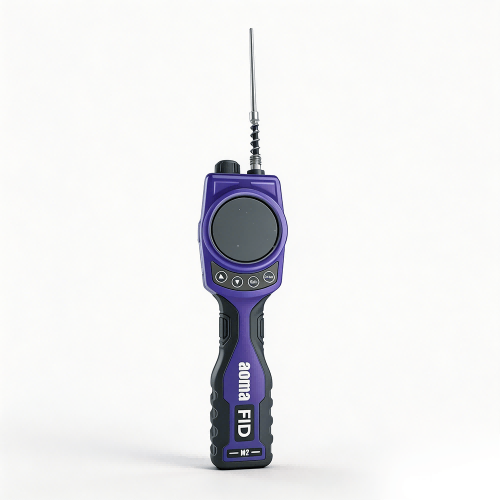
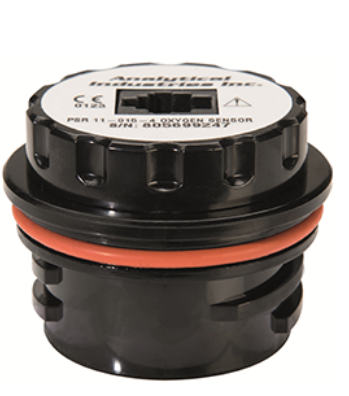
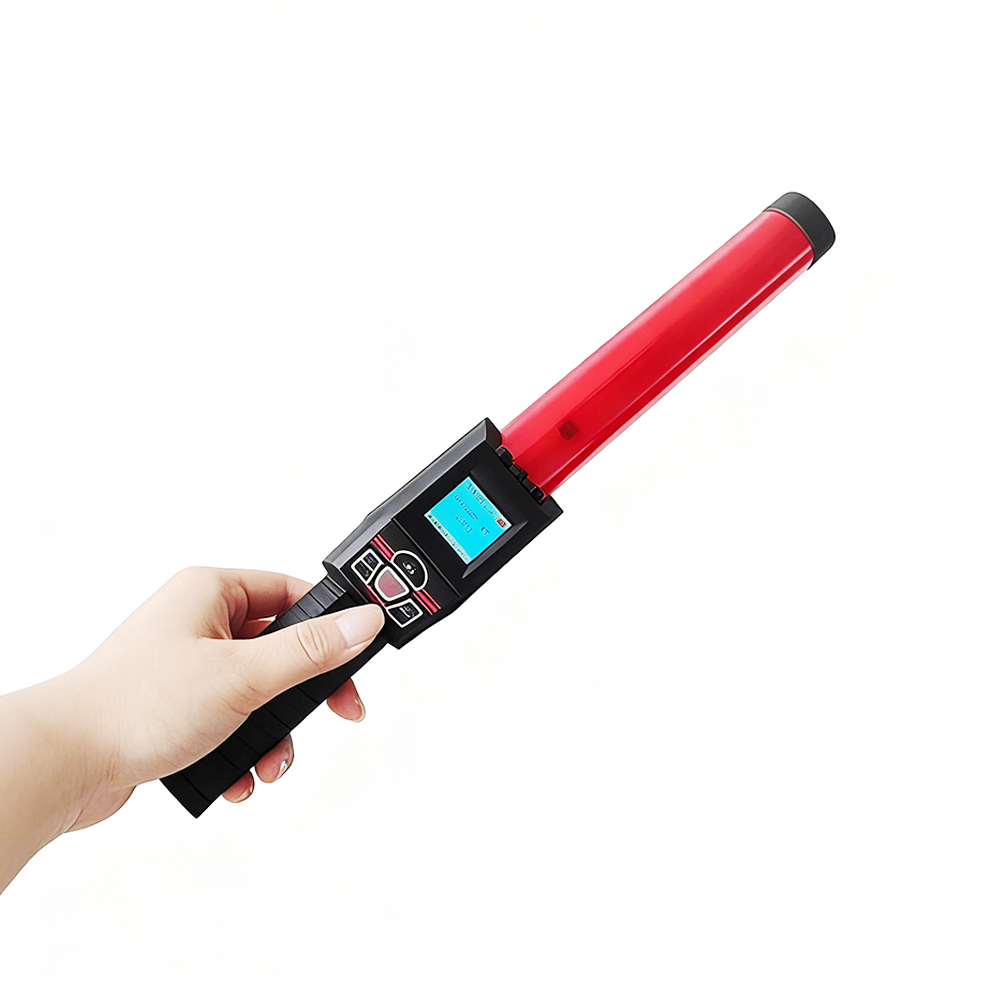
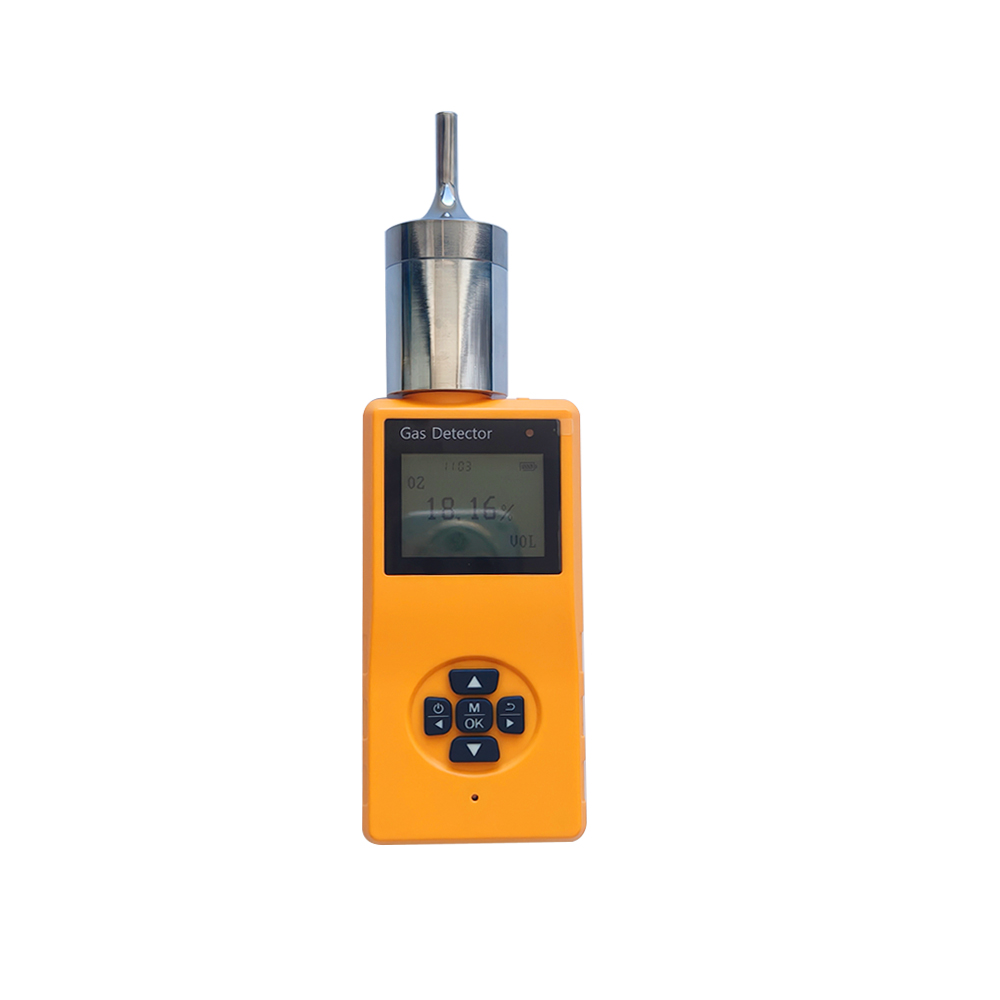
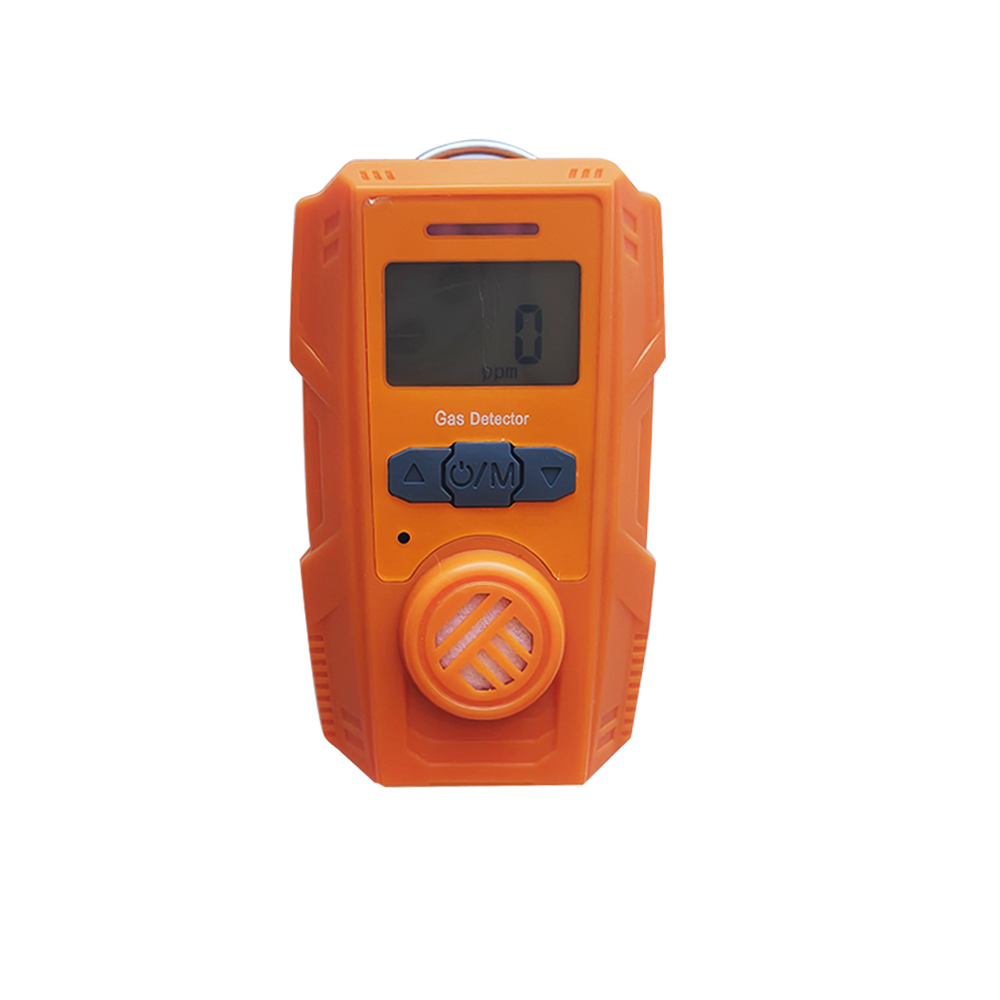
A significant rise in carbon monoxide (CO) concentration indicates that thermal runaway has entered a violent and more dangerous stage, possibly accompanied by open flames or high temperatures. At this point, inspectors must wear portable detectors, and real-time preventive monitoring should be conducted in advance. MST140 has an extremely fast response to carbon monoxide and a unique anti-leakage structure, suitable for preventive monitoring and portable detection applications.
Core Advantages: Ultra-fast response and reliable structure, suitable for both fixed monitoring and mobile inspection;
Core Function: Issue "action" alarm, reminding personnel to evacuate urgently and activate emergency response.
The combined monitoring of "H₂ + TVOC + CO" realizes a precise decision-making process from "suspicious warning → risk confirmation → emergency response", firmly guarding the safety line of energy storage projects.
 Hot News
 EN
EN
 CH
CH AR
AR BG
BG DA
DA NL
NL FR
FR DE
DE EL
EL HI
HI IT
IT JA
JA KO
KO PL
PL PT
PT RO
RO RU
RU ES
ES SV
SV TL
TL IW
IW ID
ID LV
LV UK
UK VI
VI TH
TH TR
TR FA
FA MS
MS SW
SW GA
GA BE
BE UR
UR BN
BN MY
MY SI
SI KU
KU