01 Two Fatal Risks of Methane Leaks That Enterprises Must Not Ignore
Compliance Risk: Million-yuan Fines + Operational Restrictions with Severe Consequences
As a potent greenhouse gas, methane emission control has been included in national mandatory assessments. According to the Air Pollution Prevention and Control Law, enterprises with excessive methane emissions will be fined between 100,000 yuan and 1 million yuan; in serious cases, they will be ordered to suspend production or close down. More critically, non-compliance records will be included in enterprise credit files, affecting subsequent project approval and green financing, restricting enterprises in market competition.
Safety Risk: Flammability and Explosiveness + Chain Accidents Threatening Lives and Property
Methane has an explosion limit of 5%~15%VOL. Once leaks accumulate to the critical concentration, contact with open flames or static electricity will trigger explosions. Coal mine gas explosions, oil and gas field torch flashbacks, chemical plant leak explosions – every accident is accompanied by huge property losses and casualties. However, the lag and vulnerability to interference of traditional monitoring equipment often cause enterprises to miss the optimal disposal time.
02 Three Pain Points of Traditional Monitoring Methods: Why Do They Fail Repeatedly?
Vulnerable to Interference: Catalytic combustion sensors are easily affected by gases such as hydrogen sulfide and carbon monoxide, resulting in high data distortion rates and frequent false alarms and missed alarms.
Lagging Response: Manual inspection cycles are long, making it difficult to capture sudden leaks in real time. By the time the problem is discovered, the leak has already escalated.
Poor Adaptability: Large size and low protection rating make them unable to operate stably for a long time in high-temperature, high-humidity, dusty, and corrosive industrial environments.
03 LS4 Laser Methane Sensor: Accurate Early Warning to Resolve Risks at the Source
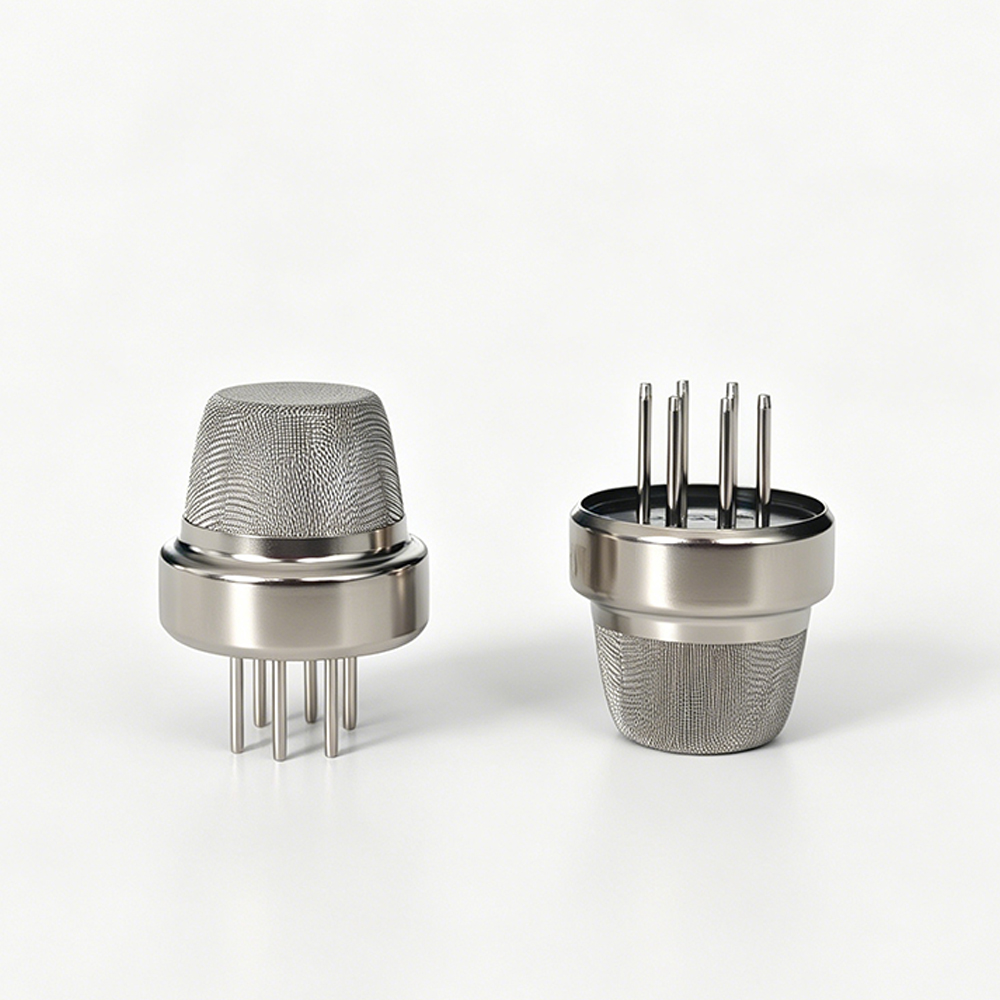
Targeting the pain points of industrial scenarios, the LS4 laser methane sensor from MaiYa Sensor, with its TDLAS technology advantages, has become the "ideal choice" for enterprise methane leak monitoring.
Accurate Identification with Zero False Alarms – Eliminating "Wolf-Crying" Alerts
The LS4 adopts TDLAS technology with unique identification of methane molecules, completely immune to interference from water vapor, dust, hydrogen sulfide and other interfering gases. With an ultra-high resolution of 0.01%VOL, it can accurately capture trace leaks, even minor seepage at pipeline joints, avoiding safety hazards caused by missed alarms and eliminating waste of human and material resources caused by false alarms.
Ultra-Fast Response for Early Disposal – Gaining Golden Time for Emergency Response
With a response time of ≤20 seconds, once methane concentration exceeds the threshold, it triggers an alarm immediately. Compared with the minute-level response of traditional sensors, the LS4 enables staff to take ventilation, power-off and other measures at the first time, nipping leak risks in the bud and preventing small leaks from evolving into major accidents.
Stable and Durable with Low Maintenance – Reducing Long-Term Operation and Maintenance Costs
With an IP65 high protection rating and a 304 stainless steel shell, the LS4 easily adapts to harsh environments such as underground mines, chemical workshops, and outdoor oil and gas fields, being dustproof, waterproof, and corrosion-resistant. With a sensor lifespan of over 5 years, no frequent calibration is required, greatly reducing equipment replacement and maintenance costs, achieving "one-time investment, long-term benefits".
Flexible Deployment for Full Coverage – Dead-Corner-Free Monitoring of High-Risk Points
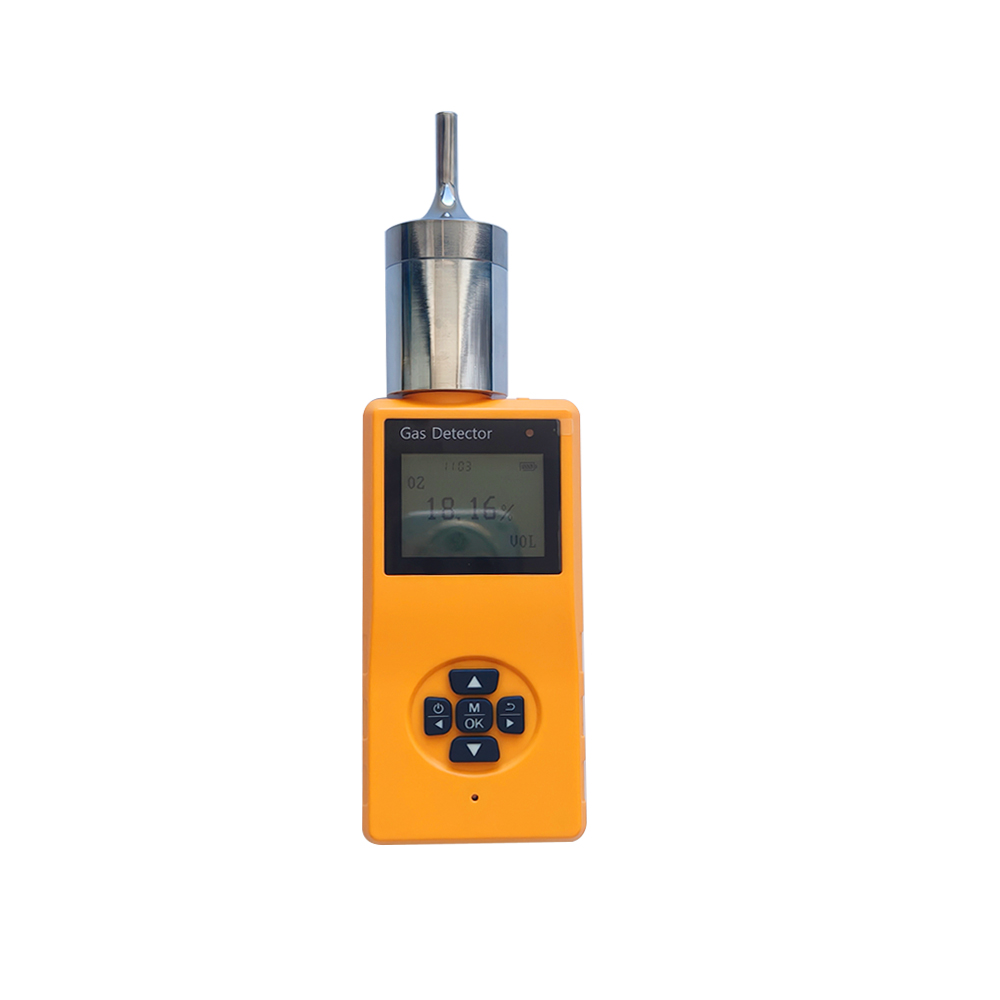
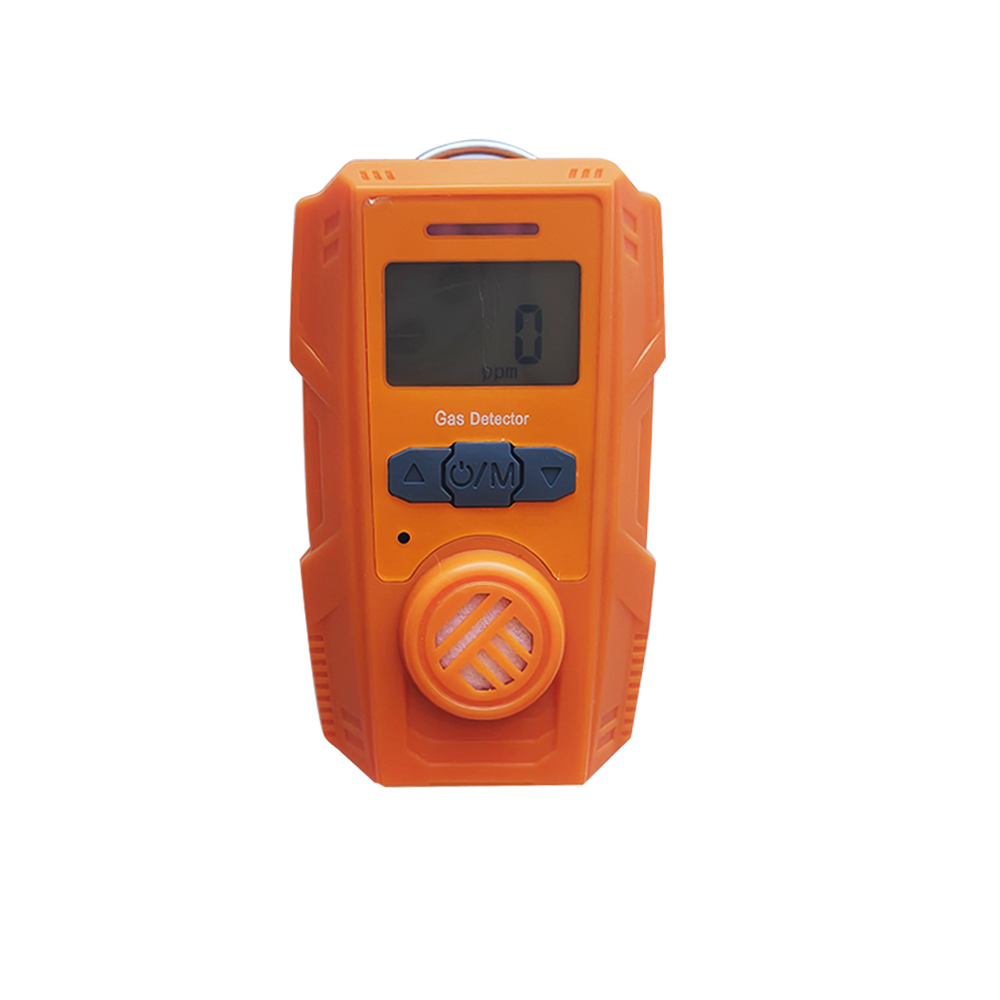
The compact size of Φ20mm × 16.6mm makes it compatible with most detectors on the market: it can be easily deployed at hard-to-reach locations such as valve stuffing boxes, flange connections, and pump shaft seals. It also supports both fixed installation and mobile inspection (mounted on drones/inspection vehicles), realizing full-coverage, dead-corner-free monitoring of the entire plant area.
04 Typical Scenario Applications: Speaking with Data
Oil and Gas Field Case: After using gas detectors equipped with LS4 sensors, a tiny leak (with a concentration of only 0.05%VOL) at a pipeline weld was successfully detected. Timely repair avoided economic losses and compliance risks caused by methane emissions.
Coal Mine Case: The LS4 has operated stably for 1 year in the high-humidity underground environment, real-time monitoring gas concentration with data accurately uploaded to the dispatch center, helping improve coal mine gas drainage utilization rate by 20%.
 Hot News
 EN
EN
 CH
CH AR
AR BG
BG DA
DA NL
NL FR
FR DE
DE EL
EL HI
HI IT
IT JA
JA KO
KO PL
PL PT
PT RO
RO RU
RU ES
ES SV
SV TL
TL IW
IW ID
ID LV
LV UK
UK VI
VI TH
TH TR
TR FA
FA MS
MS SW
SW GA
GA BE
BE UR
UR BN
BN MY
MY SI
SI KU
KU