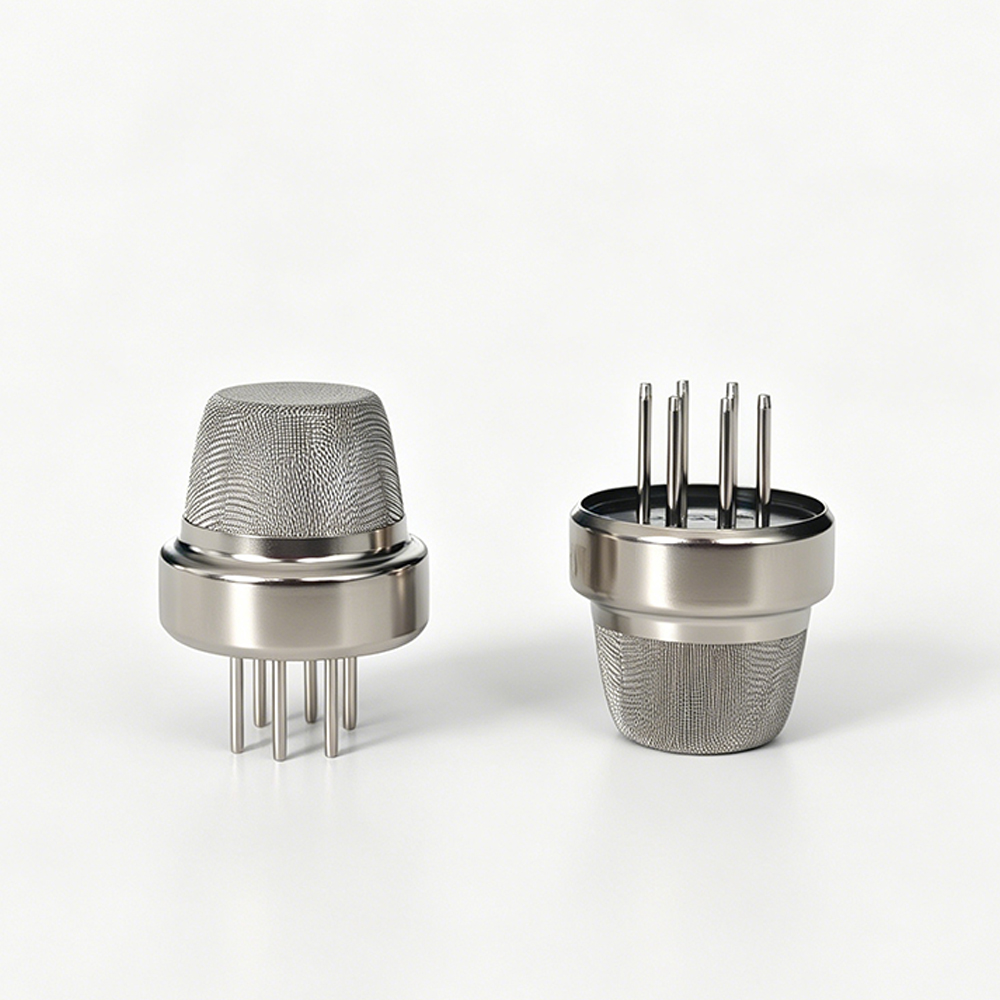
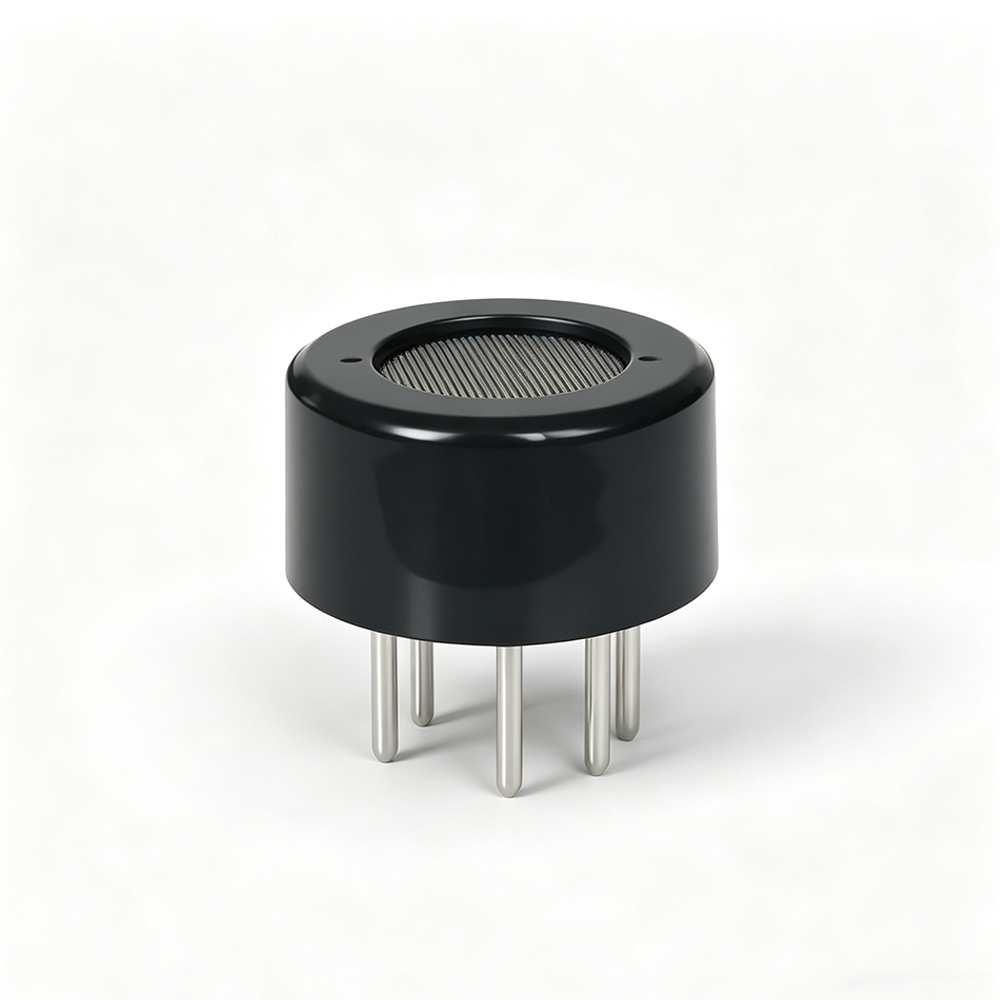
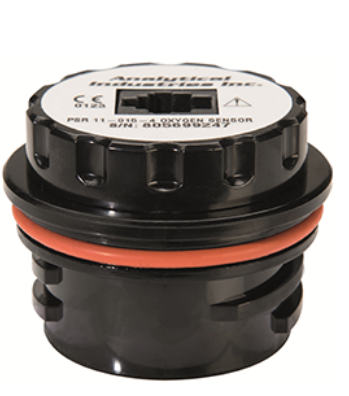
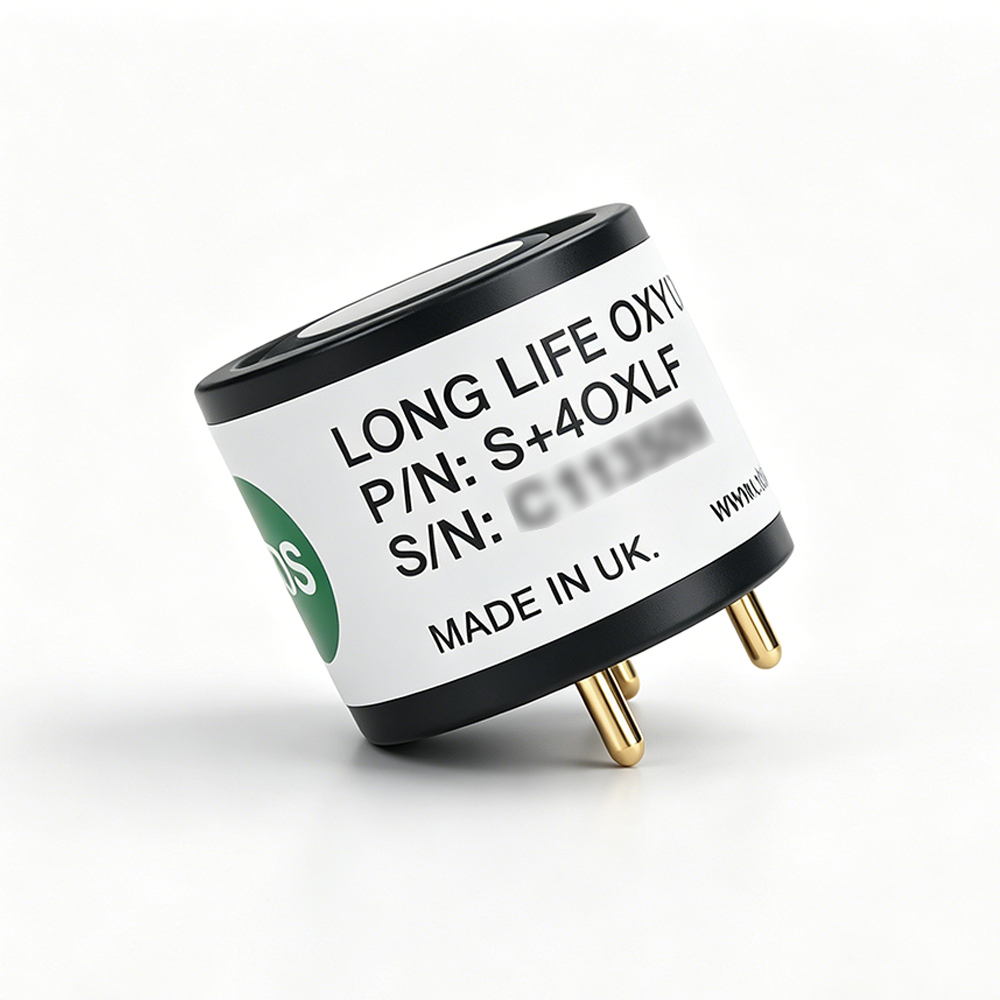
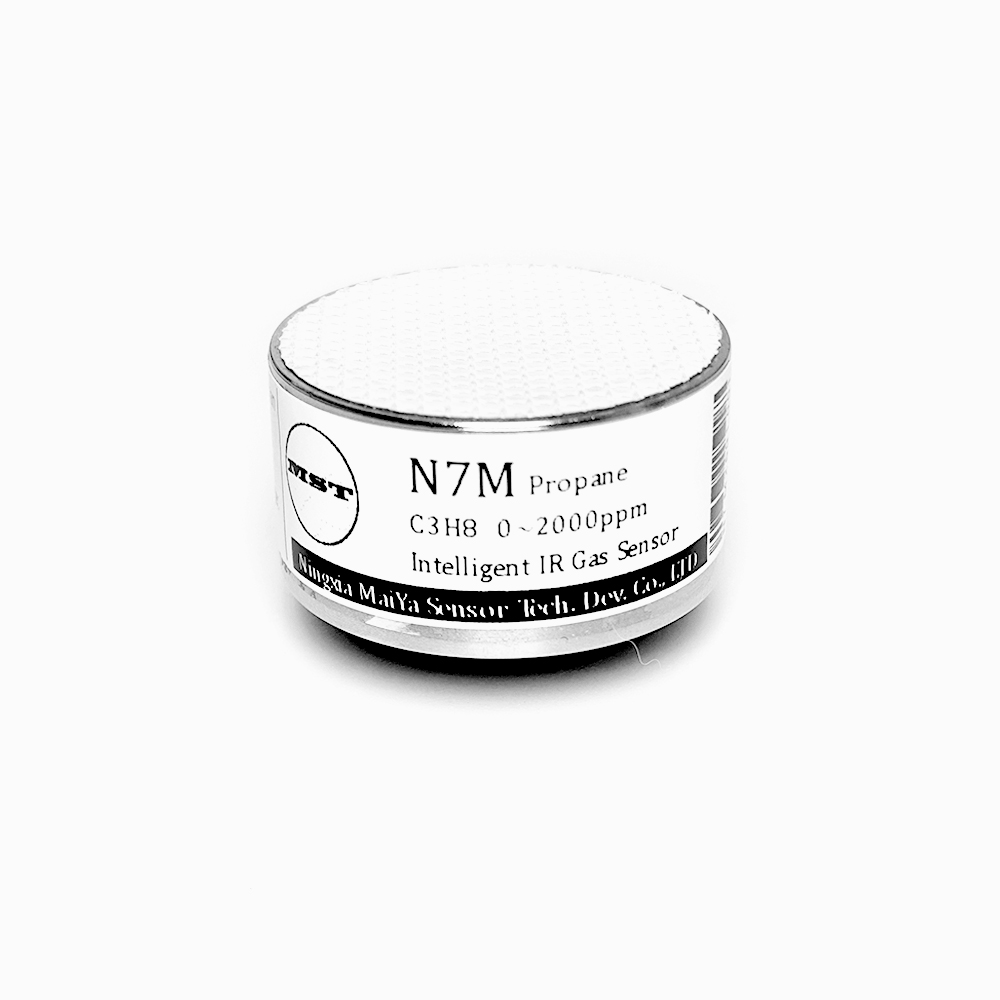
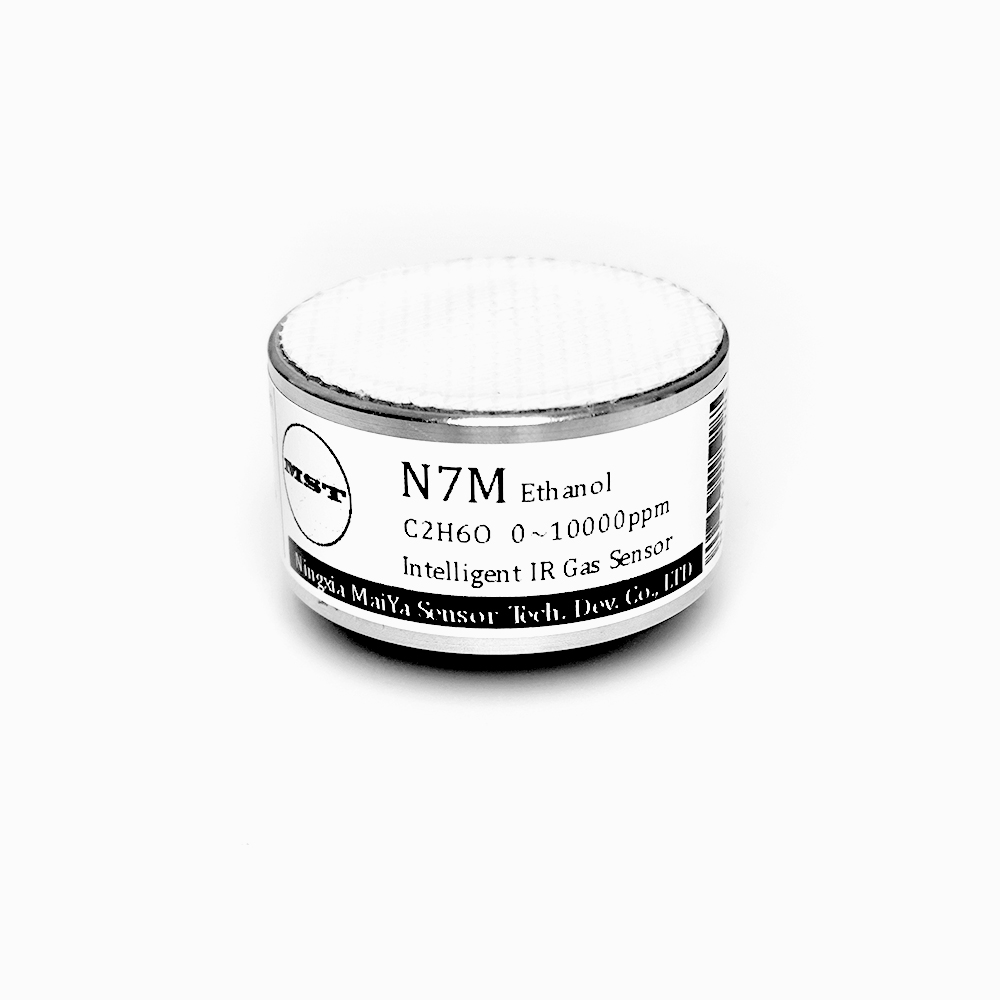
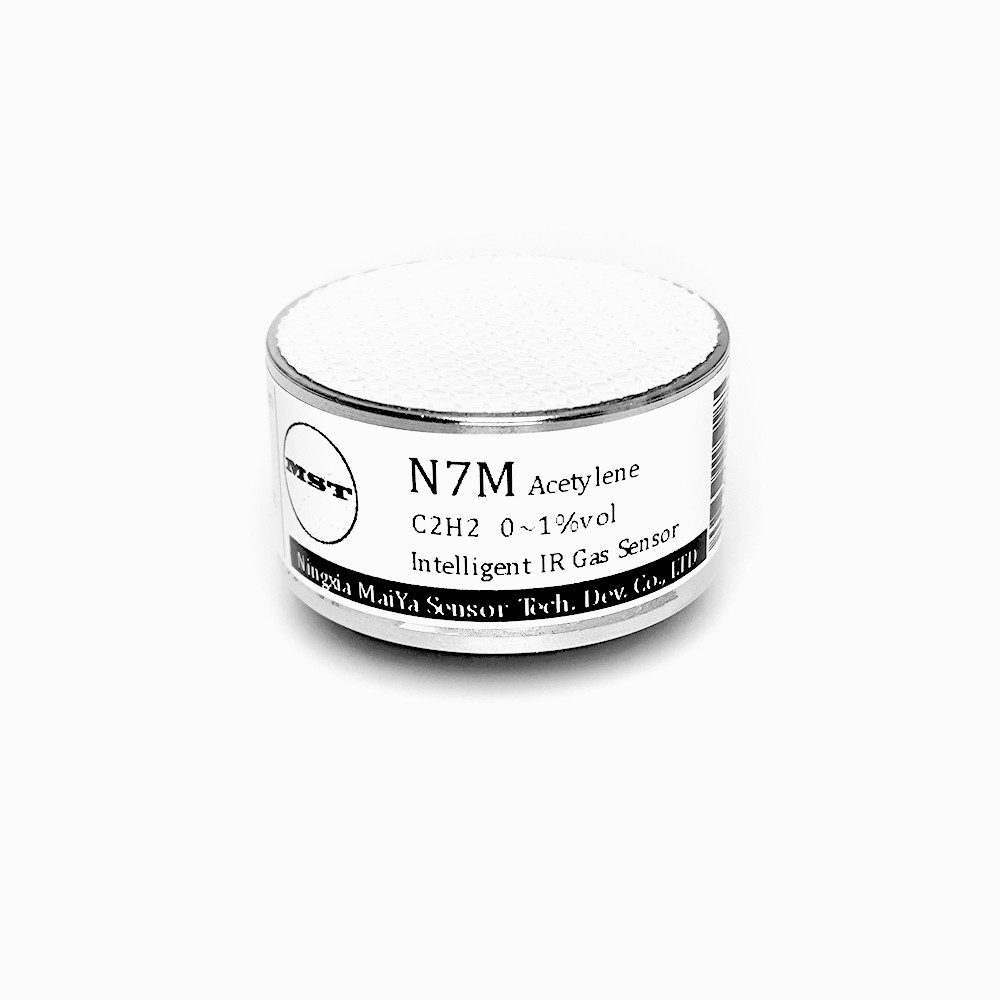
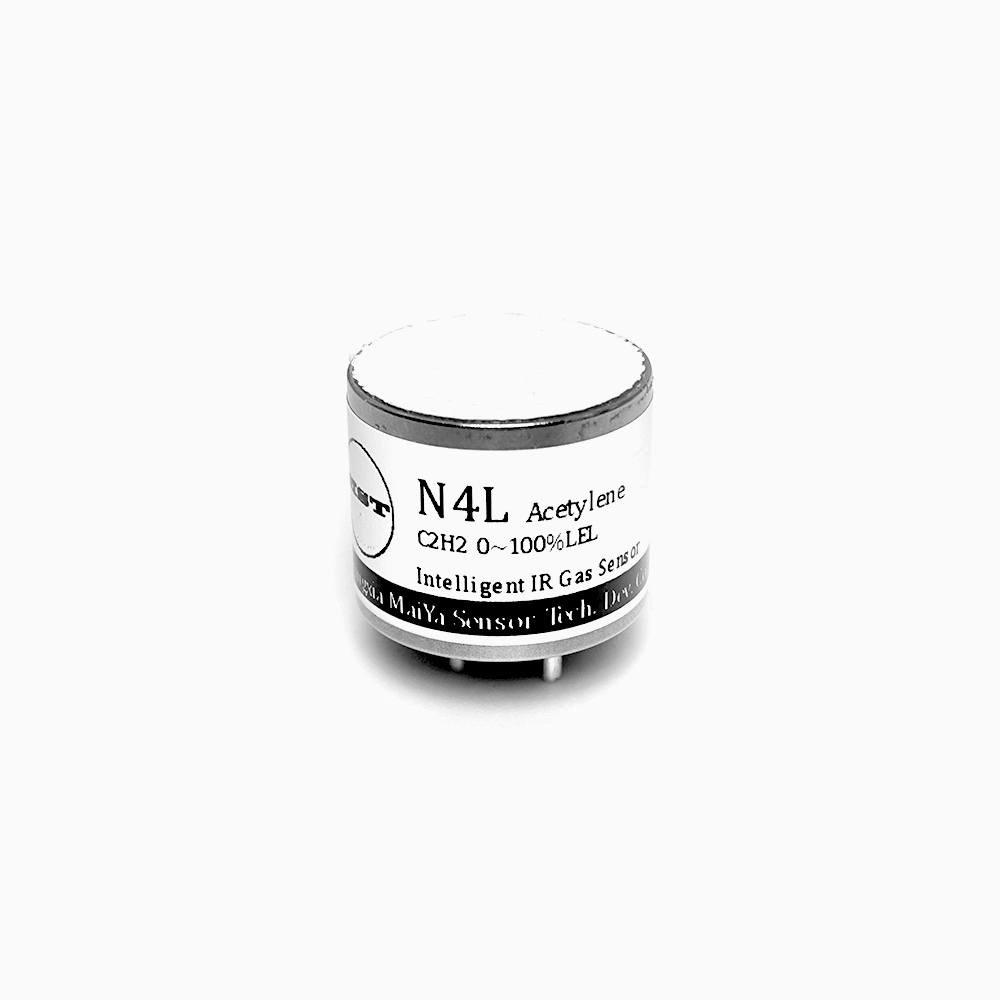
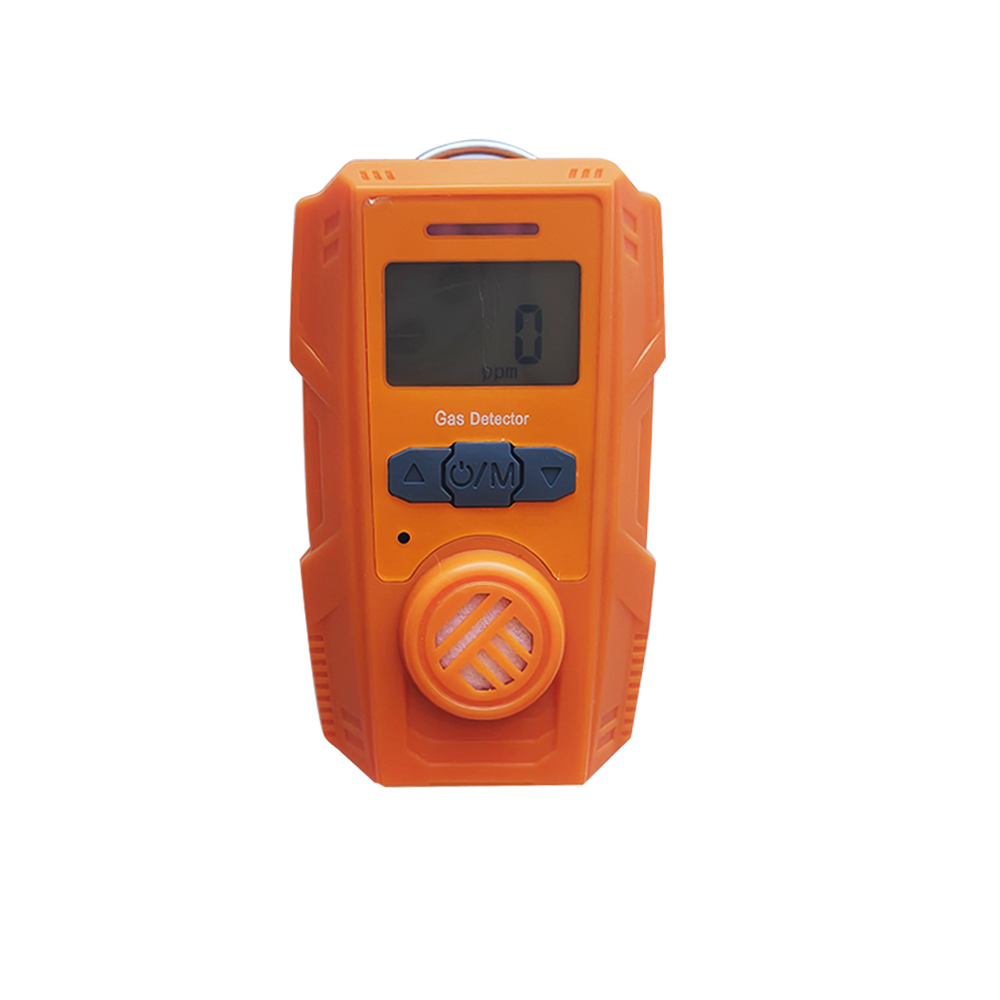
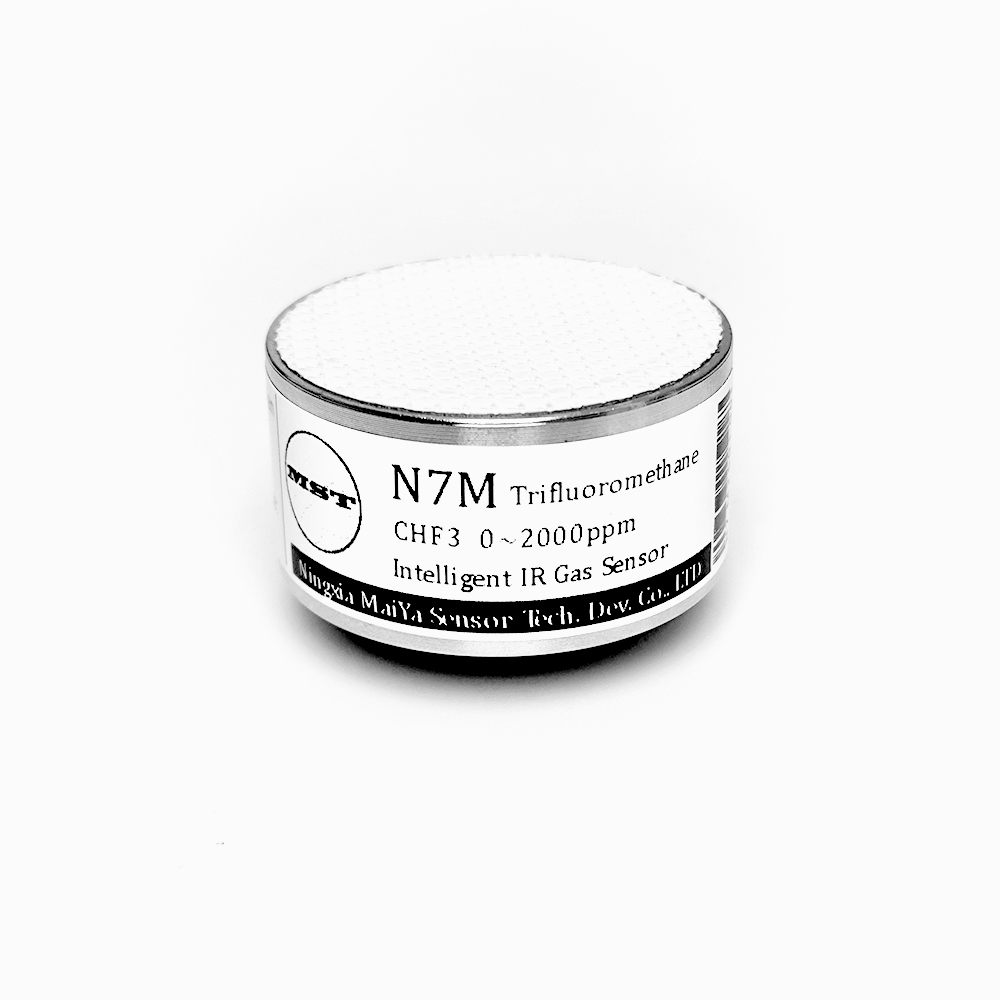
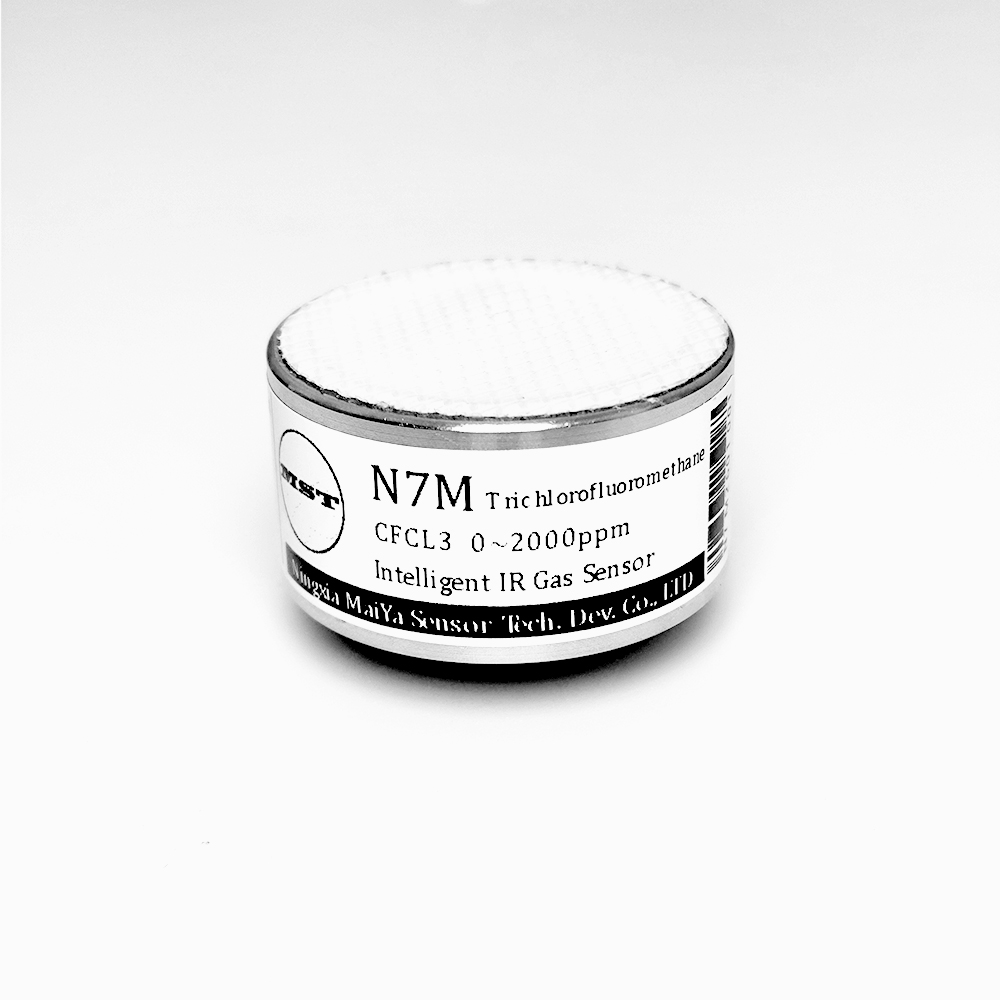
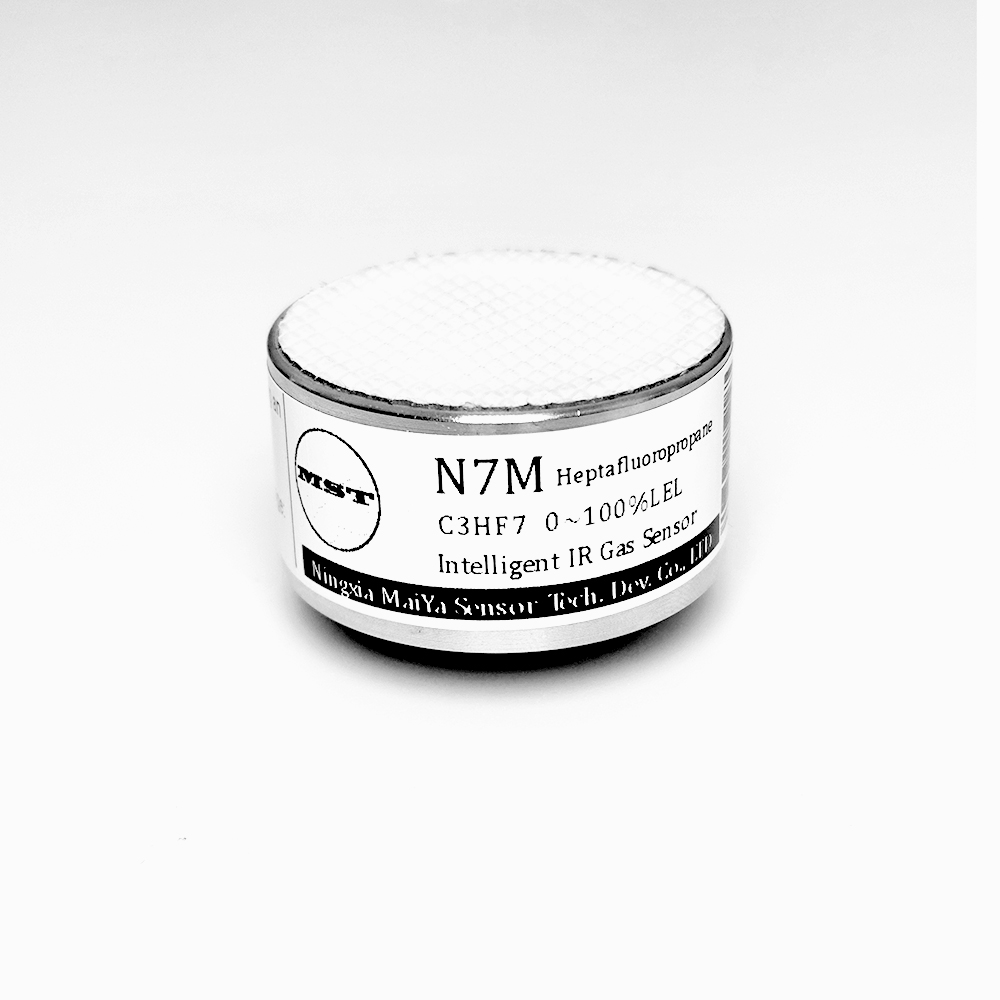
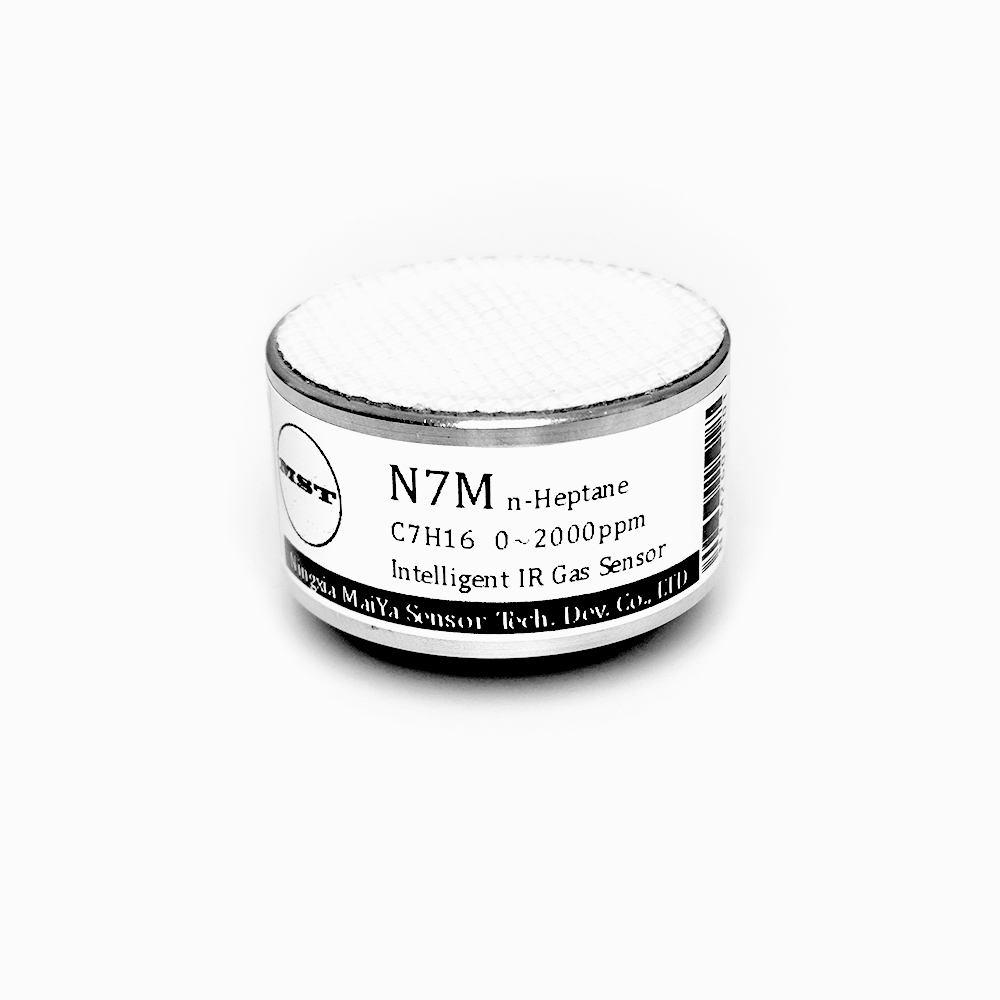
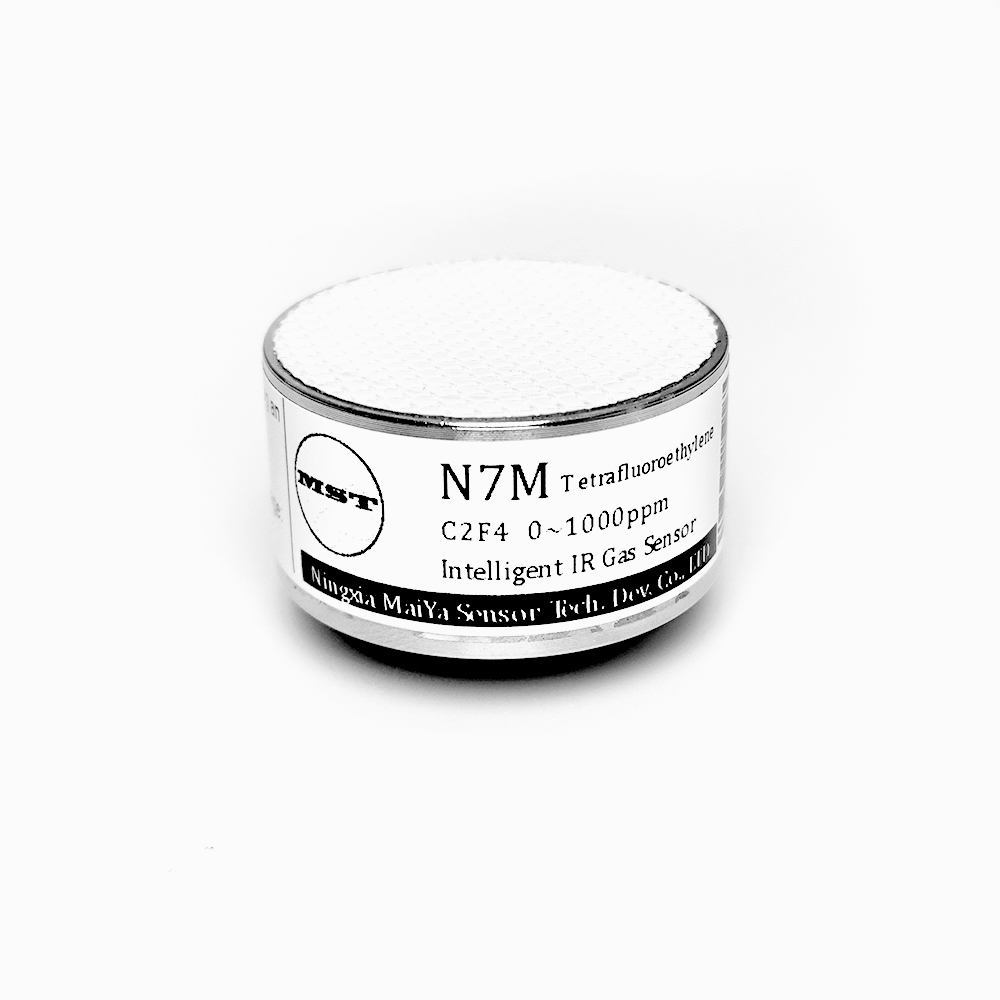
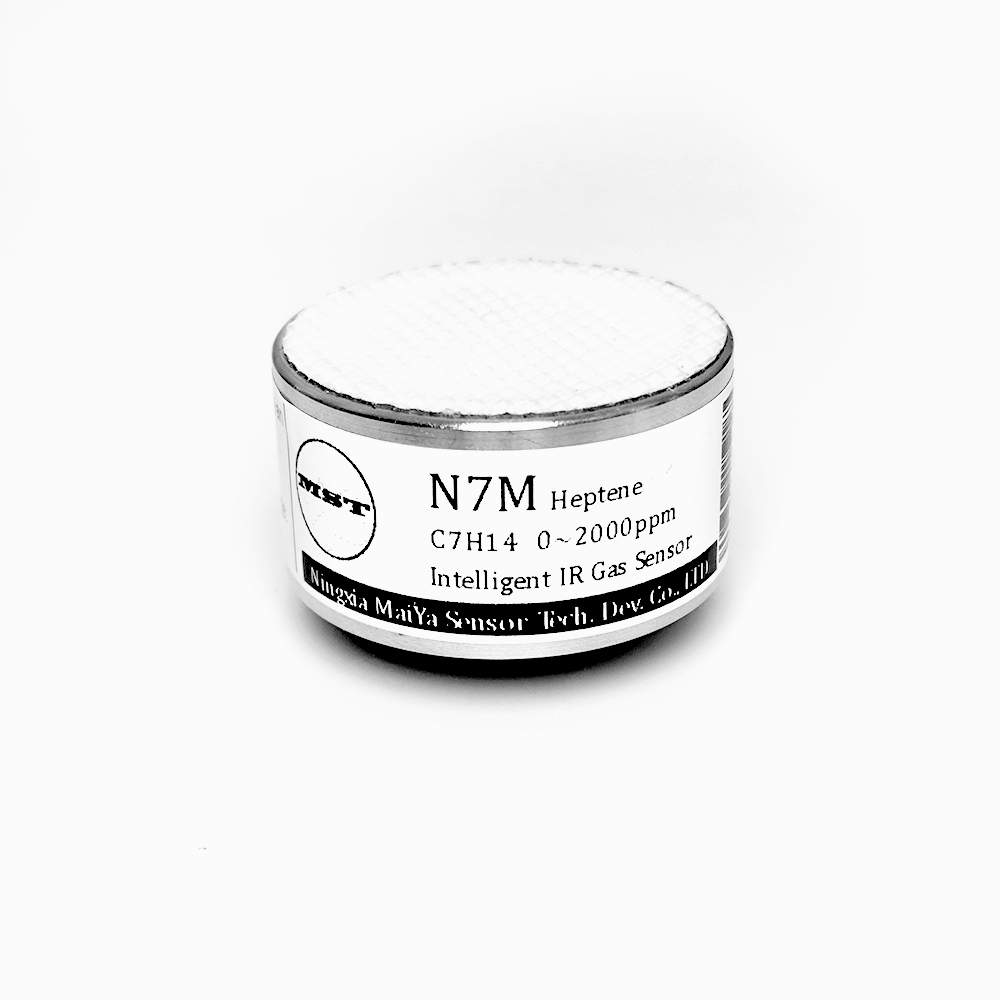
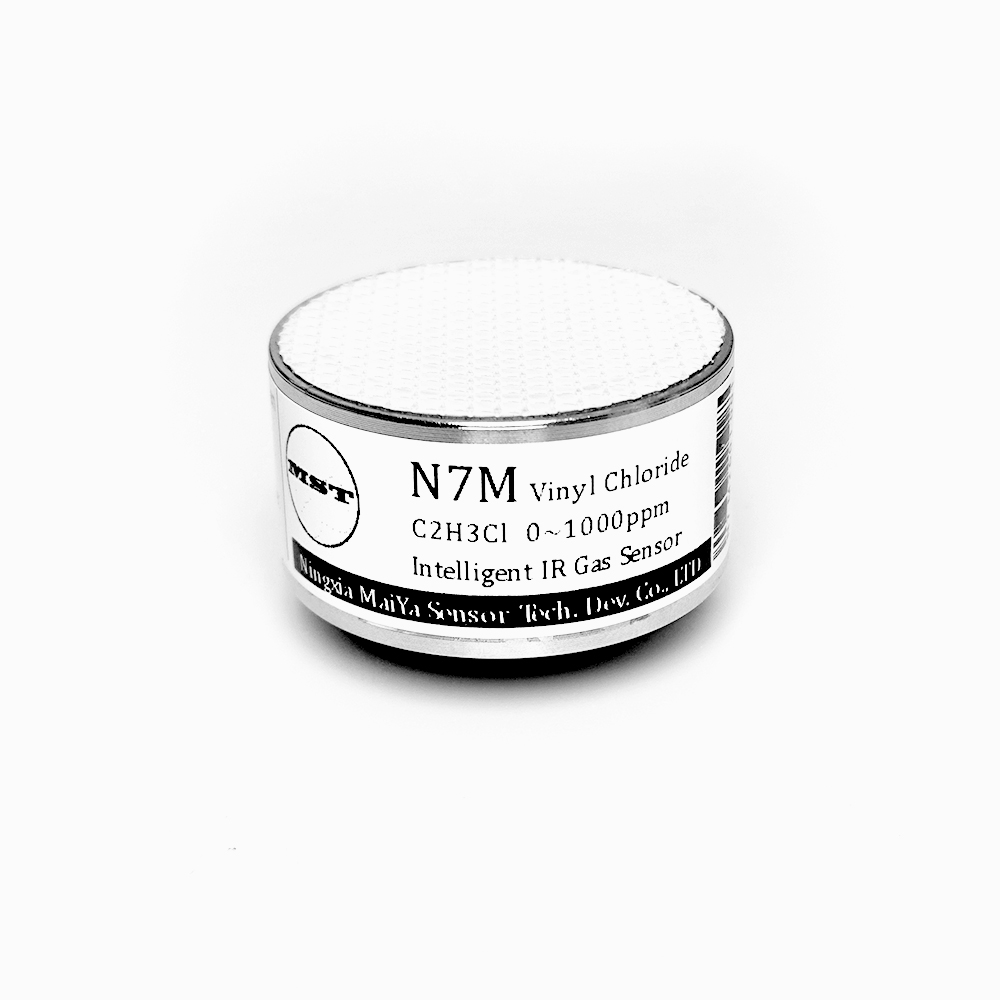
Bosses in industrial security, chemical, and mining industries, have you ever faced such troubles?
The gas detectors purchased at a high cost are either poorly compatible, inaccurate in detection, or fail to meet international usage standards. At best, they waste costs; at worst, they potential safety hazards. It should be noted that excessive gas concentration is no trivial matter. Once it causes explosions, fires, personnel poisoning or suffocation, it will not only result in huge losses but also may affect the reputation in overseas markets.
In fact, choosing the right gas detector is not difficult at all! There is no need to follow the trend blindly. Master these 5 core steps, and you can accurately match overseas operation scenarios and avoid all selection pitfalls. As an enterprise deeply engaged in the overseas gas detection field, Malt Sensing (specializing in the supply of overseas gas detectors and gas sensors) has sorted out the most practical selection methods based on years of experience. It is full of practical information, so it is recommended to save and forward it!
Without further ado, let's get straight to the point. Master the selection of overseas gas detectors in 5 steps, even beginners can easily get started~
01
Clarify Monitoring Needs and Identify Core Pain Points
The premise of selection is to first figure out "what you want to monitor" — this is the key to avoiding pitfalls and the most easily overlooked step.
First, accurately identify whether the gas present at the operation site is a single gas or a mixed gas. Different gases have different characteristics and hazard levels, and the corresponding detection equipment and sensors are also completely different. Only by choosing the right gas type can the detection be more accurate and efficient.
Here are some of the most common monitored gases in industrial scenarios for your reference:
Hydrogen Sulfide (H₂S): Mostly present in mining, sewage treatment, and oil extraction scenarios; highly toxic and prone to causing poisoning accidents.
Carbon Monoxide (CO): Common in metallurgy, gas processing, and confined operation environments; colorless and odorless, making poisoning difficult to detect.
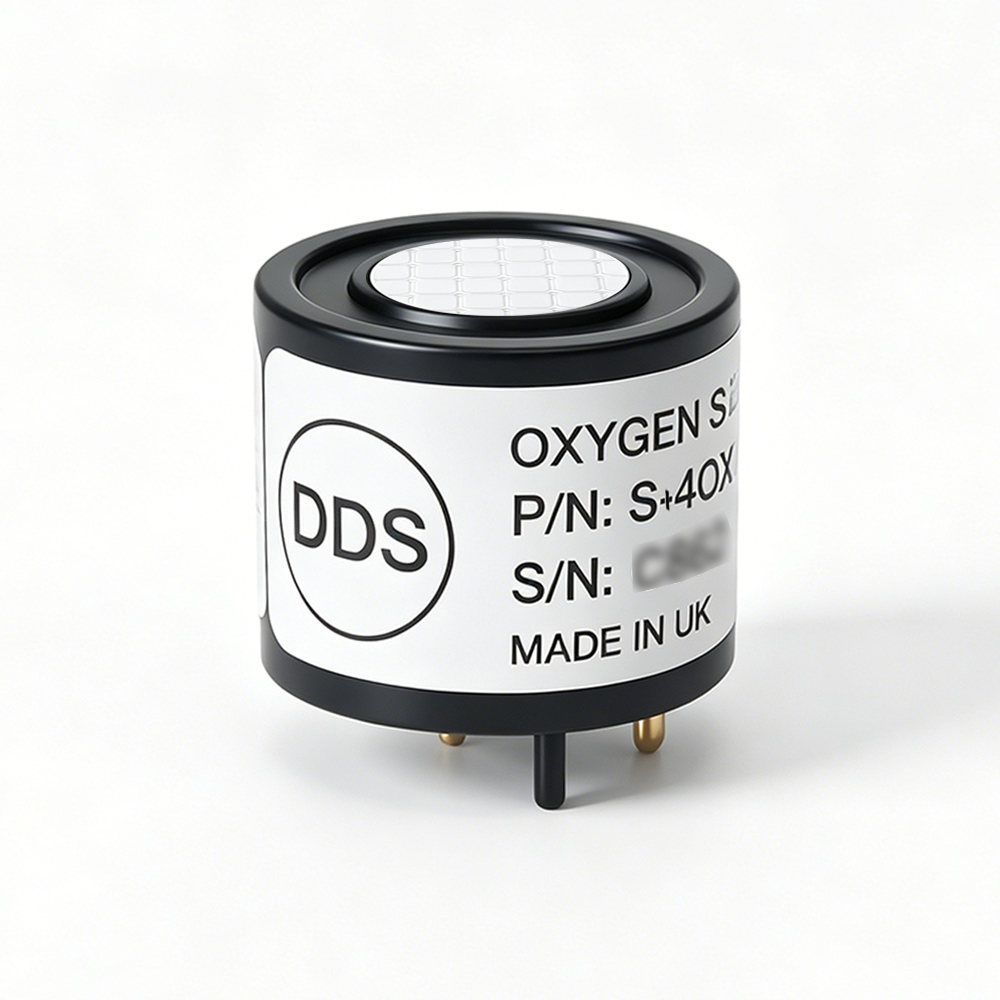
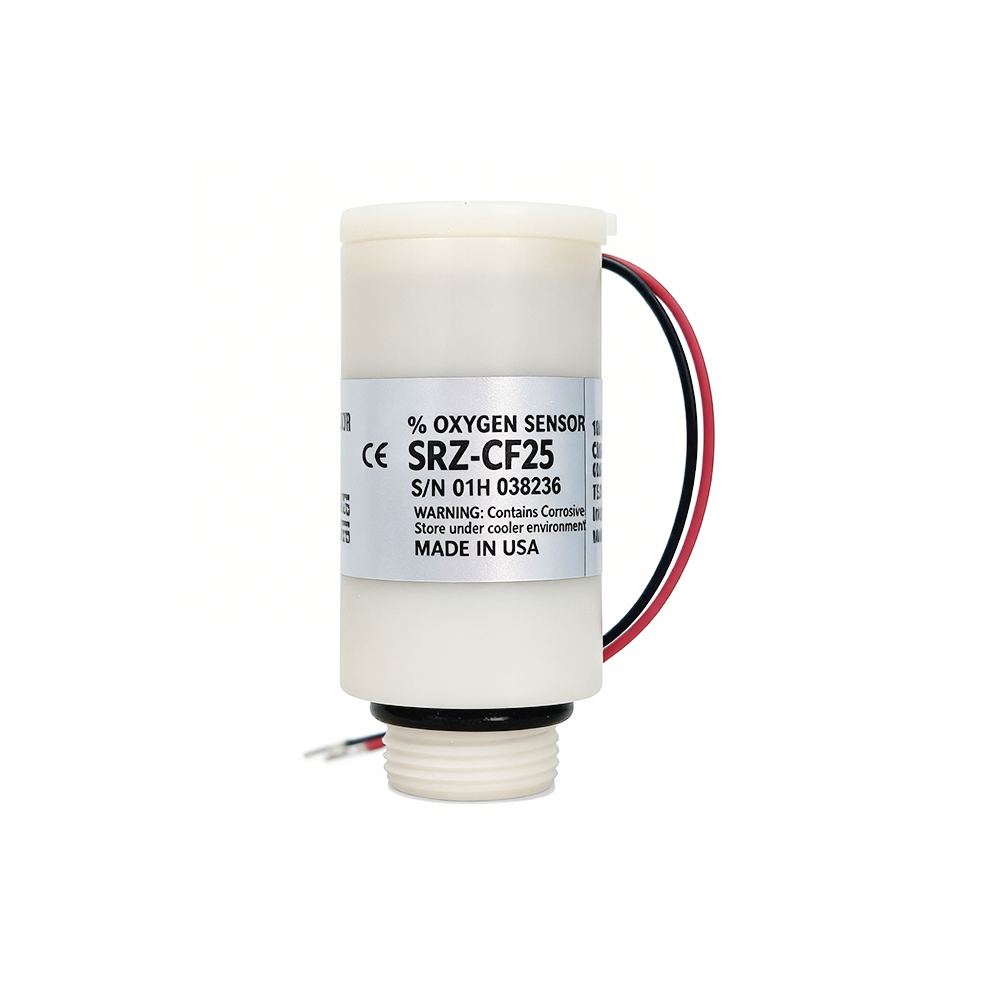
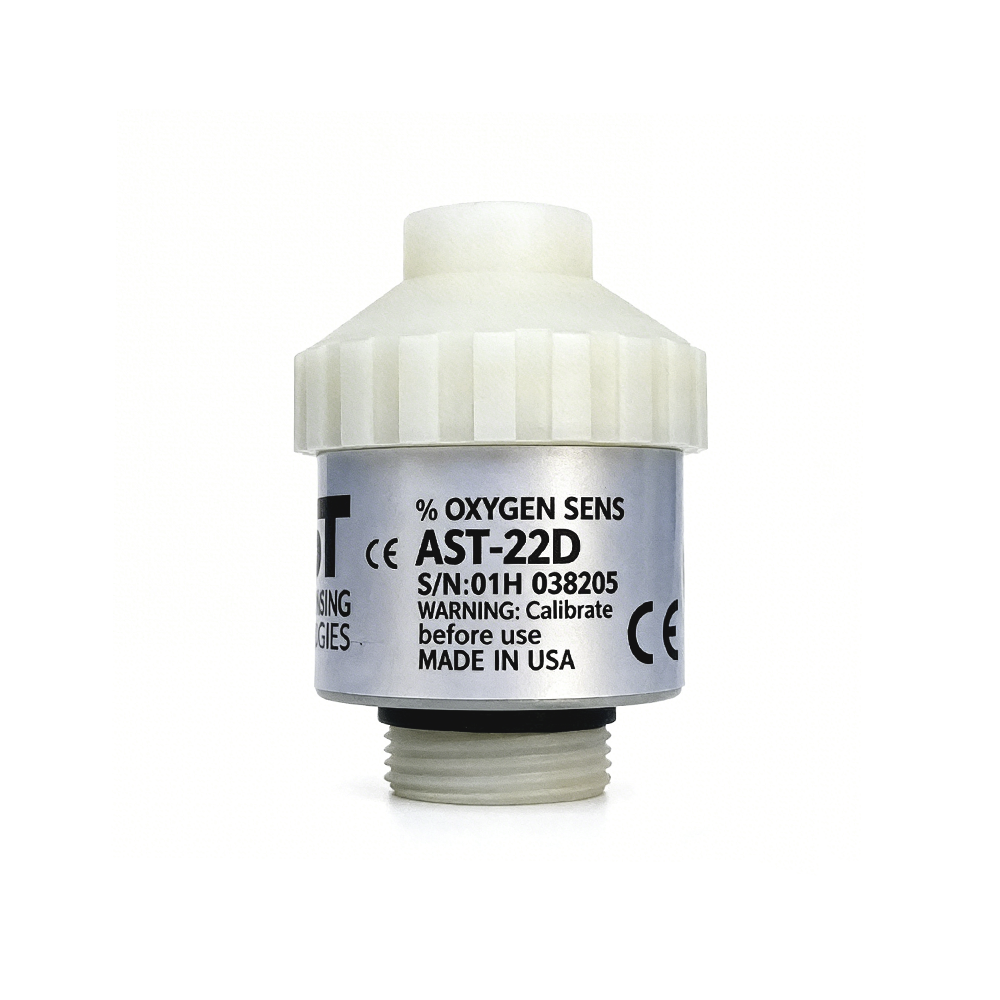
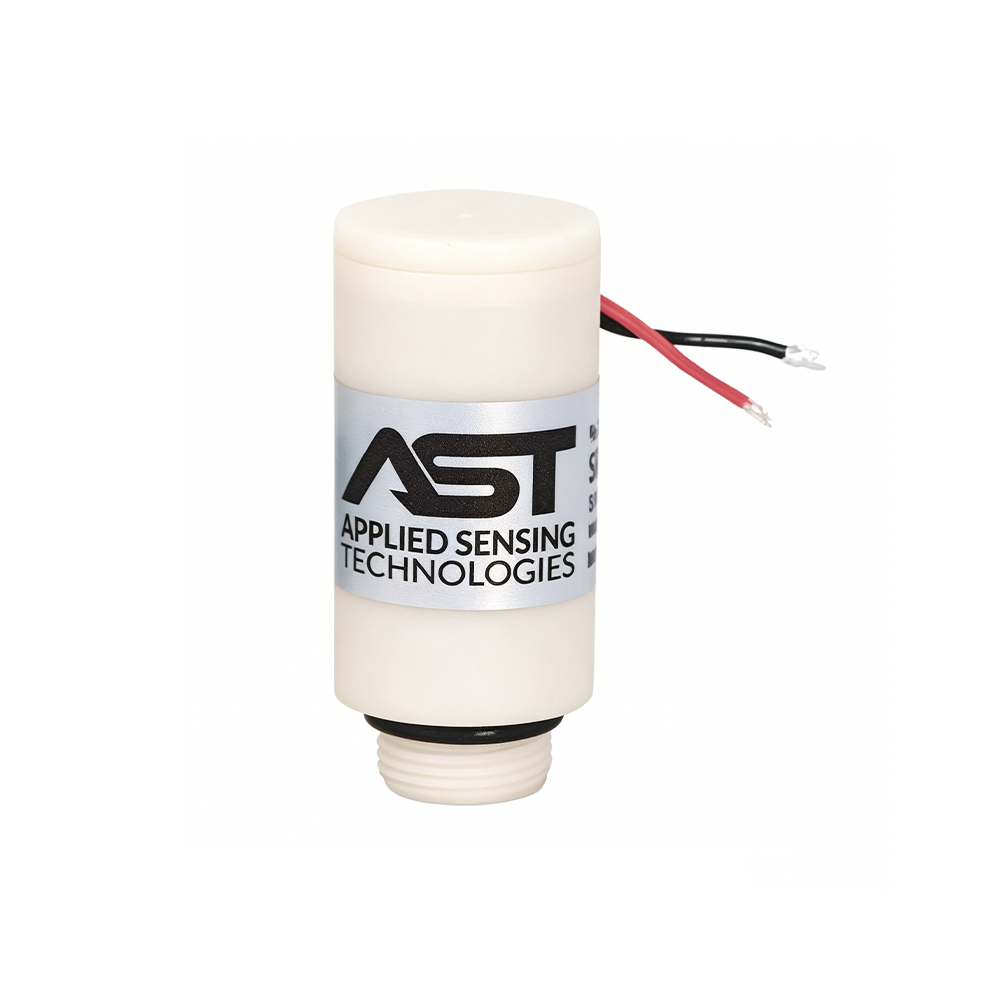
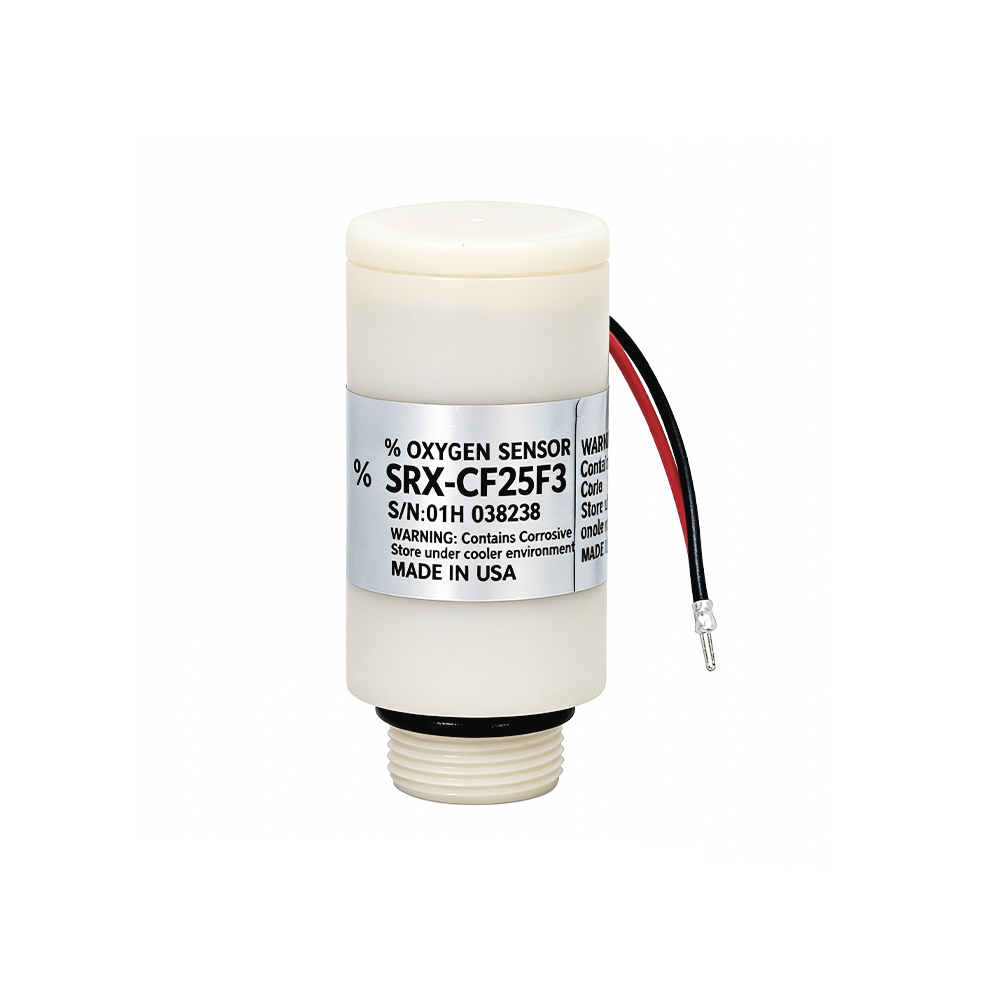
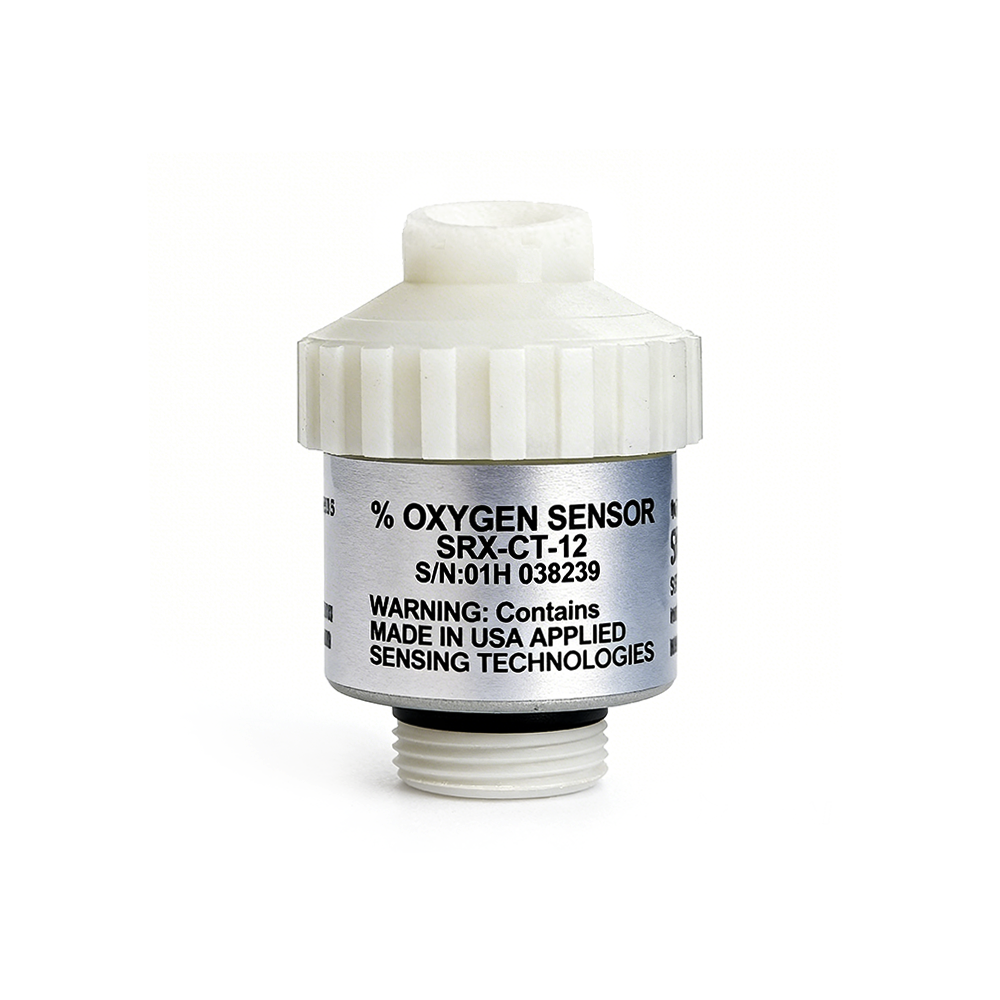
Oxygen (O₂): A necessary monitored gas for various confined spaces and high-altitude operations; both oxygen deficiency and oxygen enrichment can pose safety risks.
Sulfur Dioxide (SO₂): Mainly present in chemical, coal-fired, and smelting scenarios; highly corrosive and prone to causing respiratory tract damage to personnel.
02
Evaluate the Usage Environment and Adapt to Equipment Characteristics
After choosing the right gas, the next step is to combine the operation environment to judge whether the equipment can operate stably. Environmental conditions directly affect the service life and detection accuracy of the detector, especially since the climate and working conditions vary greatly in different regions, which requires more attention.
Focus on evaluating 4 core dimensions, none of which can be missing:
Temperature: High temperatures in tropical regions and low temperatures in frigid regions require equipment suitable for the corresponding temperature range to avoid sensor failure.
Humidity: High-humidity environments (such as the rainy season in Southeast Asia and coastal areas) are prone to causing equipment short circuits and sensor moisture damage; products with excellent moisture-proof performance should be selected.
Ventilation Conditions: There is a huge difference in selection between well-ventilated and confined spaces (such as cargo holds and underground mines); high-sensitivity equipment should be given priority for confined spaces.
Air Pressure: In special scenarios such as plateaus and high altitudes, changes in air pressure will affect detection accuracy; detectors suitable for different air pressure ranges should be selected.
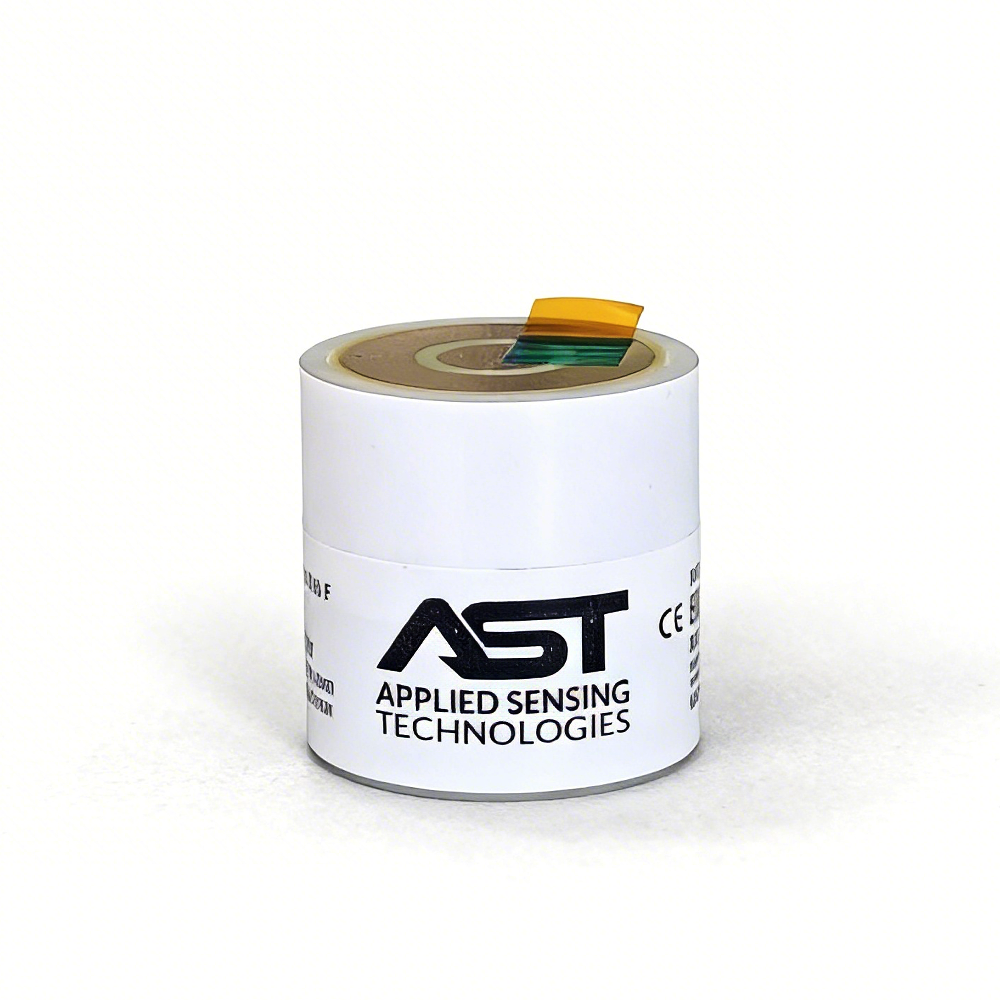
A reminder here: Different types of sensors are suitable for different environmental conditions. For example, catalytic combustion sensors are not suitable for high-humidity environments, and electrochemical sensors are more sensitive to temperature changes.
03
Determine the Detector Type to Fit Overseas Operation Scenarios
Gas detectors are mainly divided into two types. There is no distinction between good and bad, only "whether they are suitable" — the key depends on your operation mode:
Fixed Gas Detector
Suitable for fixed scenarios that require 24-hour continuous monitoring, such as factory workshops, warehouses, and sewage treatment plants. The equipment can be fixedly installed at key points and operate continuously throughout the day. Once the gas concentration exceeds the standard, it will trigger an alarm immediately without manual on-duty, which can maximize on-site safety.
Advantages: Stable monitoring and long battery life, suitable for long-term fixed working conditions, and applicable to scenarios such as large factories and parks.
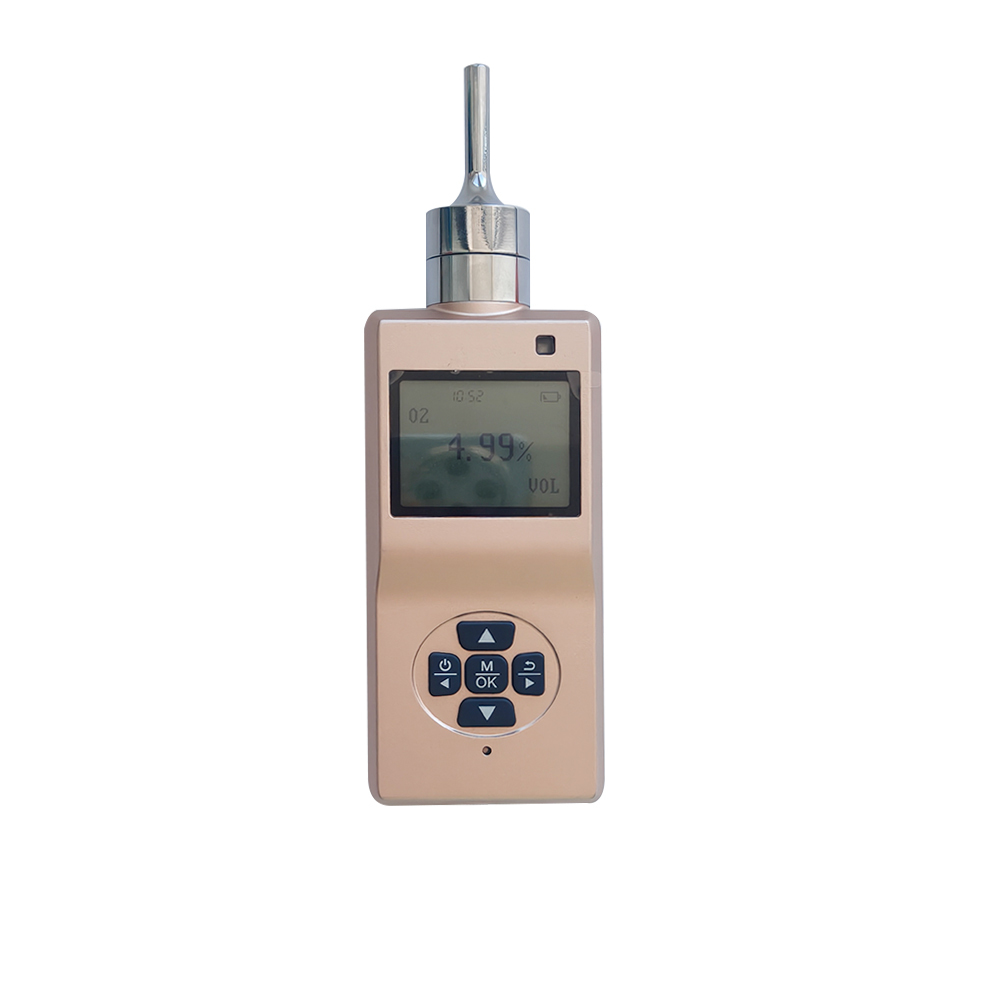
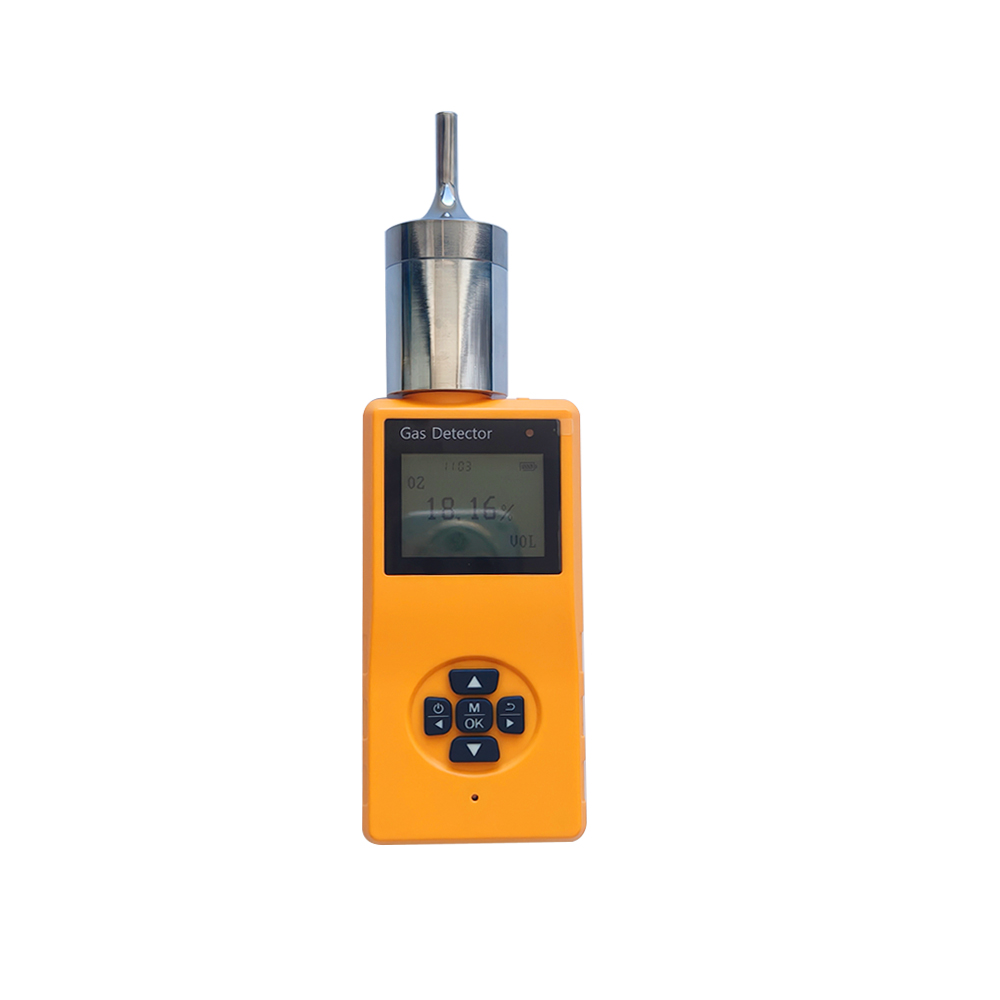
Portable Gas Detector
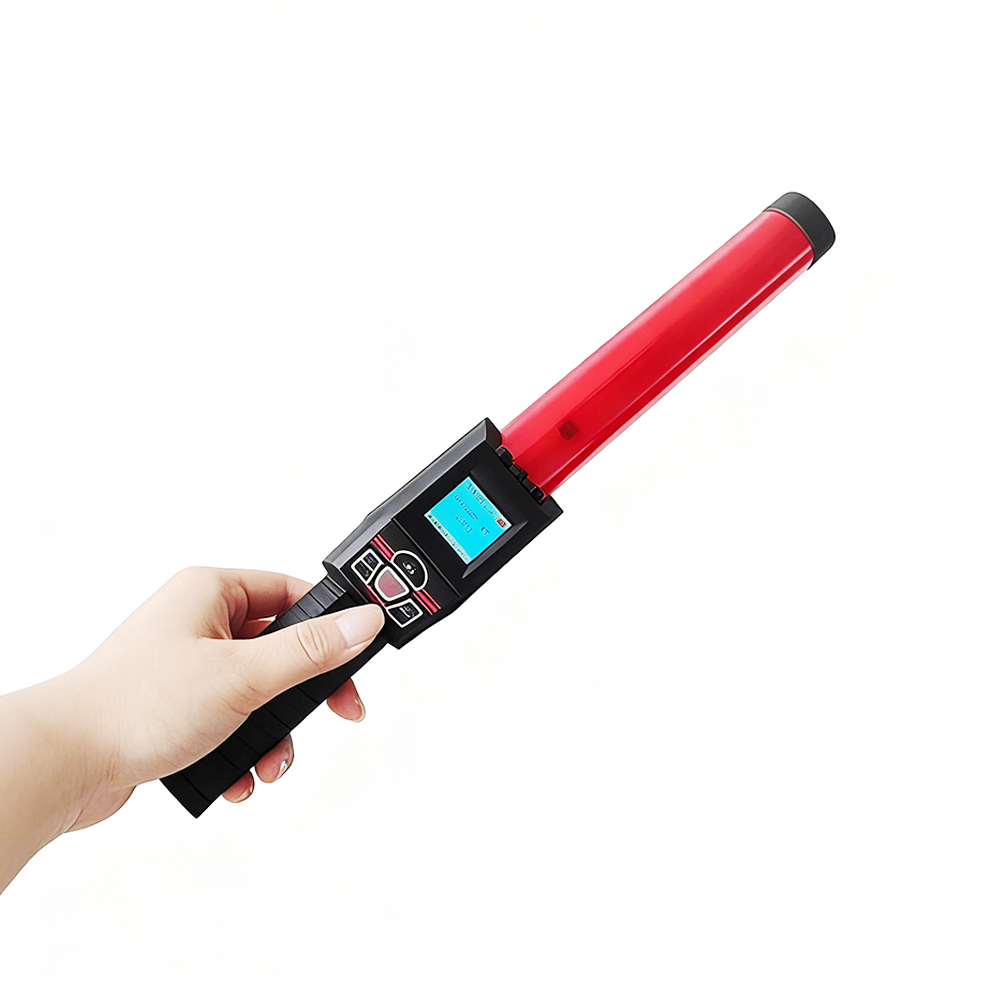
Suitable for mobile operations and multi-scenario switching needs, such as mine inspections, pipeline maintenance, and confined space operations. The equipment is small in size, can be worn on work clothes, and is convenient for operators to carry around to monitor the surrounding gas concentration in real time, which is flexible and convenient.
Advantages: High portability and simple operation, suitable for scenarios such as mobile inspections and temporary operations, and is a "safety protection artifact" for outdoor operators.
MaiYa Sensor can provide both fixed and portable gas detectors, which are all compatible with overseas voltage standards and support multi-language operation, meeting the usage needs of different overseas markets.
04
Verify Certification and Calibration to Ensure Compliance
When doing business, compliance is the bottom line! As a safety protection equipment, gas detectors must meet international standards, pass formal certification, and be calibrated regularly to ensure accurate and compliant detection data, avoiding the impact on overseas market access due to non-compliant equipment.
Focus on these 2 points to avoid:
Certification Compliance: Prioritize equipment certified to ISO/IEC 17025 standards, and combine relevant standards of the target overseas market (such as EU CE certification) to ensure the equipment can smoothly enter the local market.
Regular Calibration: The sensor of the detector will wear out over time and needs to be calibrated regularly. Calibration must be completed by a professionally qualified organization to ensure the accuracy and reliability of the detection data. In addition, for special scenarios such as explosive environments and confined spaces, it is necessary to comply with the corresponding international safety standards to eliminate potential safety hazards.
05
Pay Attention to Alarm Functions and Consider Operational Convenience
The core function of a gas detector is "early warning". Therefore, whether the alarm function is complete and the operation is convenient directly affects the user experience and safety protection effect.
Focus on these 2 points:
Alarm Function: Prioritize equipment with triple alarms (acoustic, optical, and vibration). Even in noisy industrial sites or low-light environments, it can quickly remind operators, avoiding safety accidents caused by failure to detect alarms in time.
Operation and Maintenance: The equipment should be simple to operate and have an intuitive interface, supporting multi-language switching to facilitate operators to get started quickly; at the same time, pay attention to the maintenance difficulty and calibration convenience of the equipment to reduce subsequent use costs.
 Hot News
 EN
EN
 CH
CH AR
AR BG
BG DA
DA NL
NL FR
FR DE
DE EL
EL HI
HI IT
IT JA
JA KO
KO PL
PL PT
PT RO
RO RU
RU ES
ES SV
SV TL
TL IW
IW ID
ID LV
LV UK
UK VI
VI TH
TH TR
TR FA
FA MS
MS SW
SW GA
GA BE
BE UR
UR BN
BN MY
MY SI
SI KU
KU