01
Industry Pain Point: The Multiple Challenges of VOCs Monitoring
VOCs monitoring has long been a core challenge for safety and environmental protection in high-risk industries including petrochemicals, spraying, and electronics manufacturing. The production environments in these industries are typically characterized by high humidity, high temperatures, and cross-interference from complex gases, placing extremely high demands on the accuracy, stability, and environmental adaptability of detection equipment. Devices must not only ensure precise and reliable detection data under harsh conditions but also achieve long-term stable operation while meeting the dual standards of environmental compliance and personnel safety.
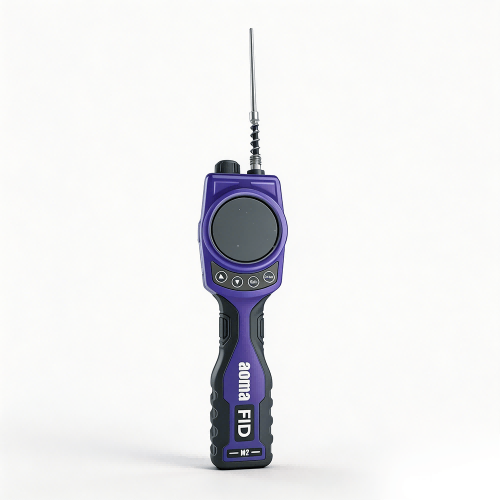
Addressing this industry pain point, MSA's all-new PID-500 Point-Type Photoionization VOCs Detector is officially launched, solving the shortcomings of traditional VOCs monitoring equipment through multiple core technological breakthroughs.
02
Five Core Advantages for an Exceptional Monitoring Experience
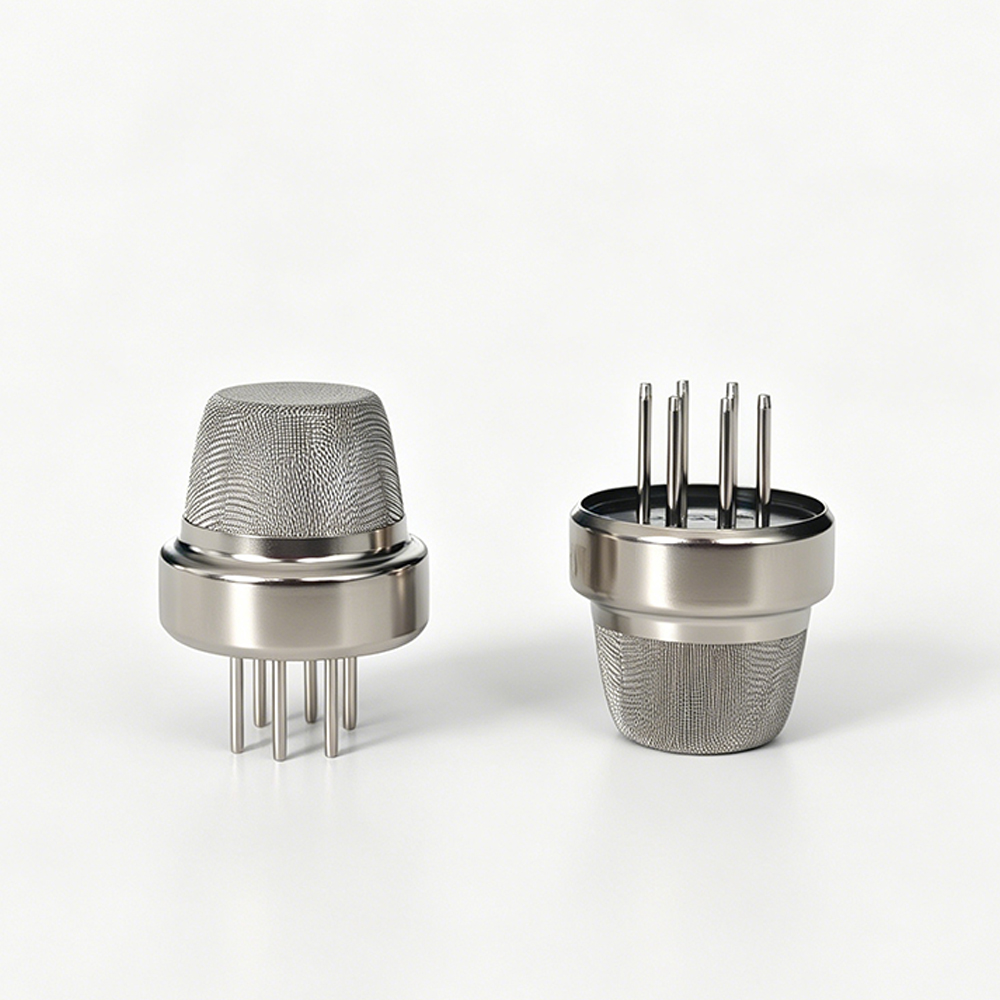
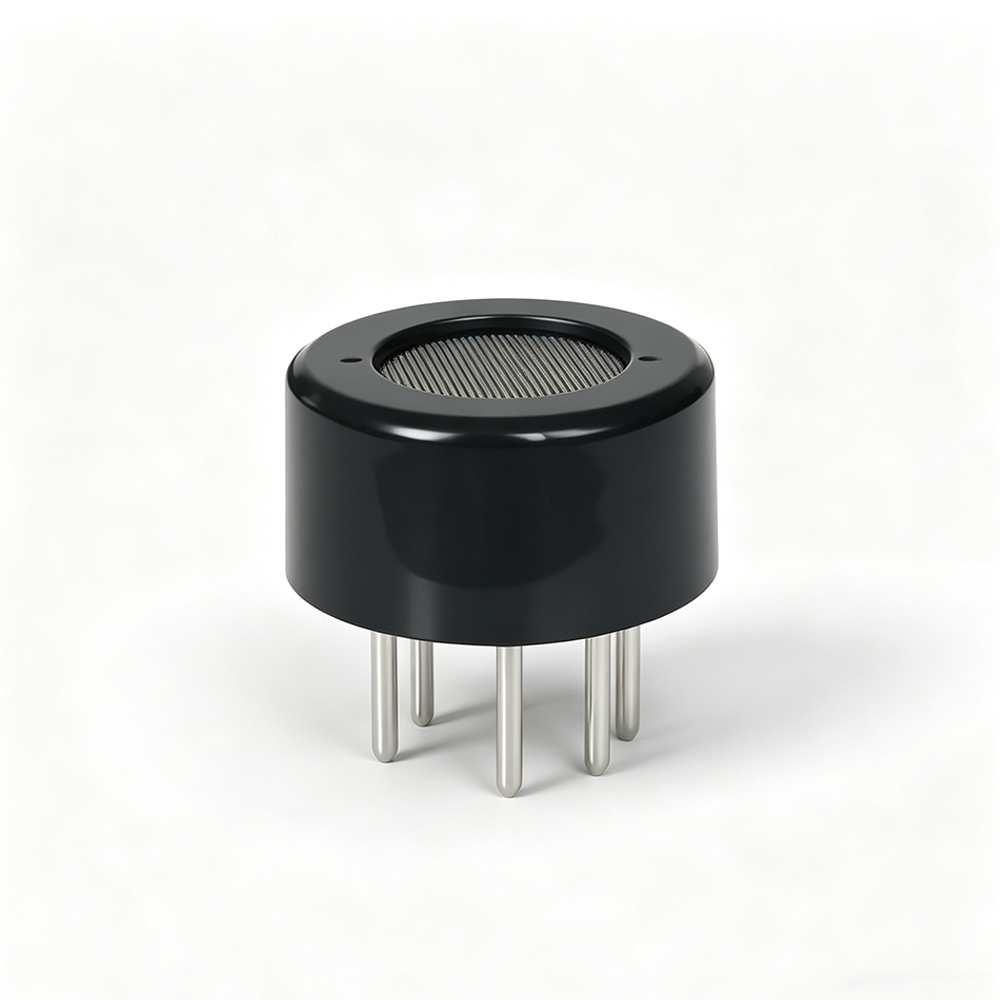
The product adopts the proven Photoionization Detection (PID) principle, with a detection accuracy of up to ±1.5% F.S. and an adjustable minimum range of 20/50 PPM. It enables accurate quantitative detection of low-concentration VOCs, perfectly adapting to scenarios that require both environmental emission compliance and on-site worker safety protection.
Two-Stage Dehumidification + Automatic Zero Calibration, Immune to Moisture Interference
Targeting the common industry problem of detection data drift in high-humidity environments, the PID-500 is equipped with a two-stage dehumidification system that effectively suppresses interference from gaseous water, ensuring stable and drift-free data under high-humidity conditions. It also features an automatic zero calibration function that operates without manual intervention. The device periodically cleans the chamber and calibrates the zero point automatically, enabling stable and worry-free operation for 1.5 to 3 years and significantly reducing maintenance frequency.
Pump-Aspirated Sampling for Fast Response and Recovery
With a pump-aspirated sampling design paired with a high-flow redundant diaphragm pump, the typical T90 response time is ≤15 seconds. This enables faster gas response and significantly improved detection efficiency, allowing the device to capture gas leak signals immediately and gain valuable time for emergency response.
Industrial-Grade Protection for Outdoor, Explosive, and High-Temperature Environments
The PID-500 features rigorous industrial-grade protection capabilities:
Explosion-proof rating: EX DB IIC T6 GB / EX TB IIIC T80℃ DB, meeting the requirements for use in various flammable and explosive hazardous locations;
Ingress protection rating: IP66/IP67 for live parts, effectively resisting the intrusion of dust and water;
Operating temperature range: -40°C to +70°C (short-term) / -20°C to +50°C (continuous), adapting to extreme temperature environments;
Constructed with a stainless steel enclosure and aluminum alloy transmitter, offering excellent corrosion resistance and impact resistance for durability.
Intelligent Operation and Maintenance for Hassle-Free and Cost-Effective Use
Equipped with a visual spare parts lifecycle management system that displays the real-time usage status of sensors, pumps, and filters at all levels, providing early warnings for proactive maintenance and preventing unexpected equipment failures;
Features quick-connect fittings and a modular design, allowing a single person to quickly replace spare parts, significantly reducing maintenance difficulty and time costs;
Supports HART protocol + 4-20mA standard output, enabling easy integration with enterprises' existing gas detection systems for seamless connectivity.
03
Wide Industry Coverage for All VOCs Monitoring Scenarios
The PID-500 is widely applicable to multiple industries with VOCs leak risks and can accurately detect various typical volatile organic compounds:
Petrochemicals and Refining: Benzene, Toluene, Isobutylene
Automotive Manufacturing: Toluene, Styrene
Electronics/Semiconductors: Xylene, Trichloroethylene
Paints and Coatings: Toluene, Acetone
Pharmaceuticals and Chemicals: Ethanol, Acetaldehyde
 Hot News
 EN
EN
 CH
CH AR
AR BG
BG DA
DA NL
NL FR
FR DE
DE EL
EL HI
HI IT
IT JA
JA KO
KO PL
PL PT
PT RO
RO RU
RU ES
ES SV
SV TL
TL IW
IW ID
ID LV
LV UK
UK VI
VI TH
TH TR
TR FA
FA MS
MS SW
SW GA
GA BE
BE UR
UR BN
BN MY
MY SI
SI KU
KU