01 grasp two key data points: The "Moore's Law" of the sensor industry
The report proposes two significant growth trends that intuitively reflect the industry's popularity:
1.The annual output of sensors doubles approximately every five years, driven by the continuous explosion of demand for sensors across various industries;
2. The number of scientific publications related to sensors doubles roughly every four years. However, it should be noted that this growth is largely due to the pressure of academic publication and is not strongly correlated with actual innovation.
02 8 Core Trends of Sensors by 2030 (Concise Version)
1Measurement Accuracy: Continuous Breakthroughs, Endless Pursuit
This is the most core development trend of sensors. Technological progress and the iteration of new technologies are jointly driving the continuous improvement of accuracy. From time, length to weight measurement, uncertainty is constantly improving (the improvement range of time measurement reaches 26%), and the narrowing technical gap between high-frequency electronics and infrared devices is accelerating this process. At present, there is no end to the race for higher accuracy; it will only switch tracks and upgrade.
2Miniaturization: Still Advancing, but No Longer Blind
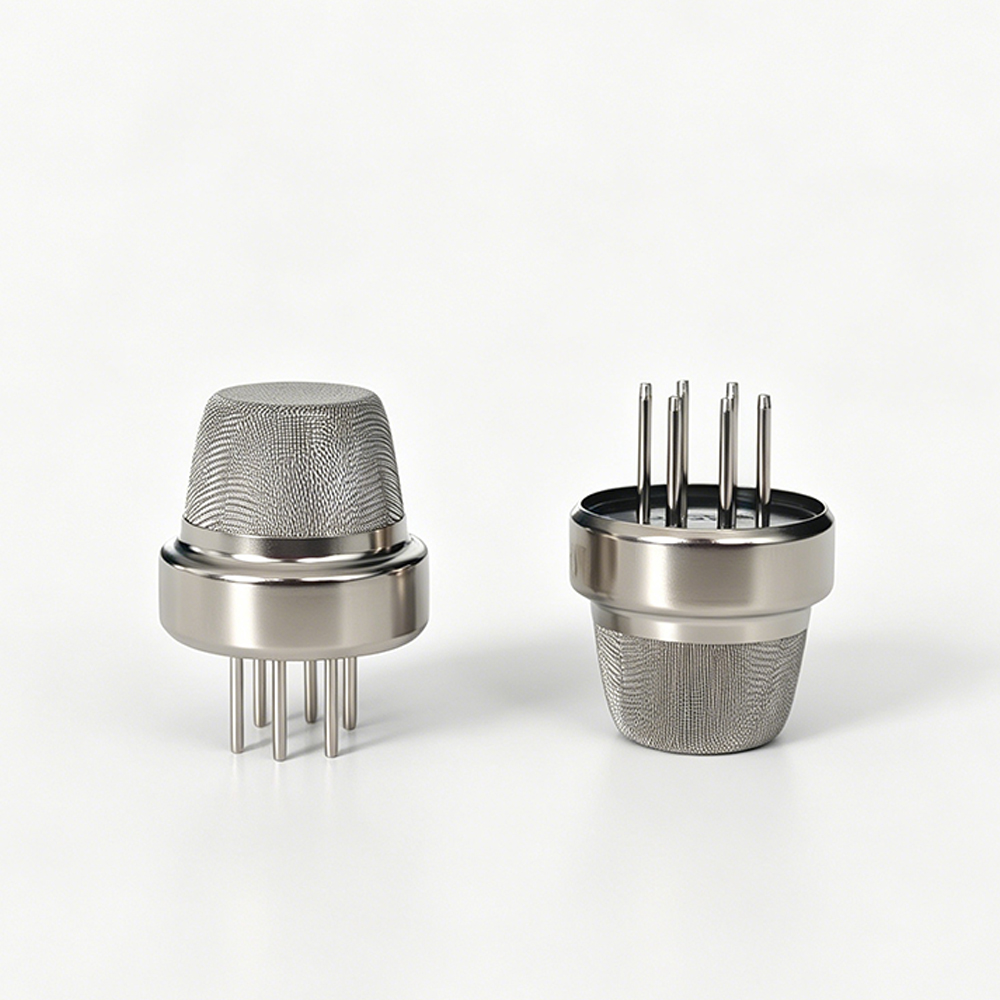
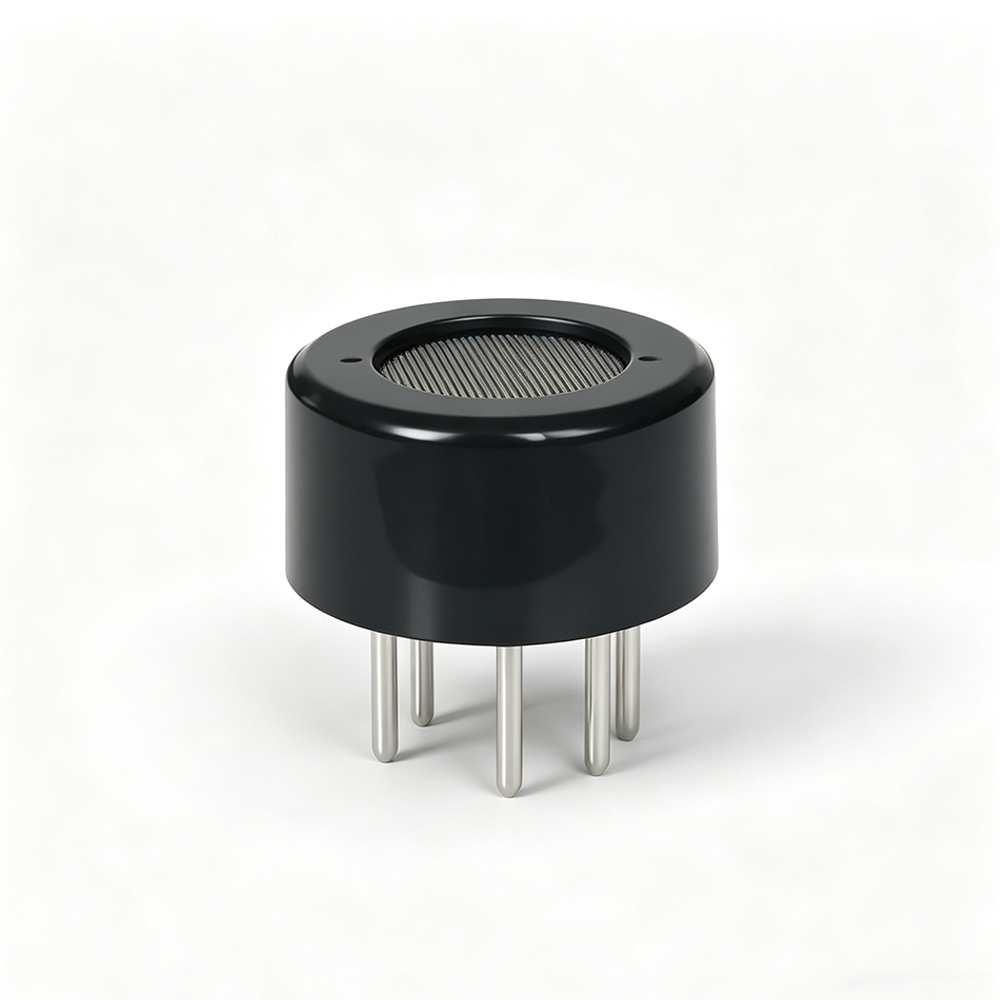
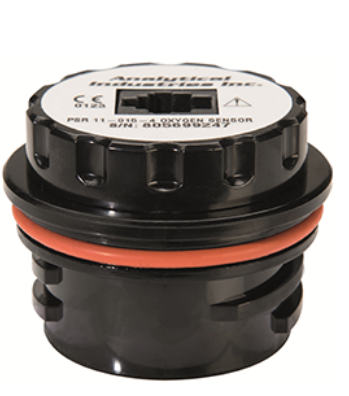
Precision manufacturing and microelectronics technology have made sensors smaller, more efficient, and lower-cost. However, physical limitations (such as atomic scale, diffraction limit) and economic factors (miniaturization is accompanied by higher manufacturing costs) are restricting their further reduction. In the future, miniaturization will be market-driven. For example, detection equipment that needs to be operated by hand will not blindly pursue size reduction, and some technologies have approached reasonable limits.
3. Application Scope: Comprehensive Expansion, Cross-Border Penetration
The demand for data in the information society and the improvement of automation are driving the continuous expansion of sensor application scenarios. On the one hand, it is the innovative application of existing technologies (lower risk, easier implementation); on the other hand, enterprises and scientific research teams are exploring new markets. From industrial testing to smart wearables and digital healthcare, sensors are integrating into more fields across borders.
4. Sensor Systems: Replacing Single Sensors
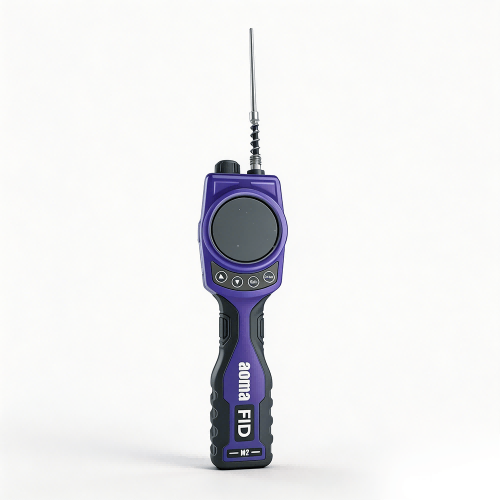
Future sensors will no longer "fight alone" but will be complex systems integrating multiple components. For example, self-X sensors and intelligent multi-sensor systems can achieve multi-value reading and cope with complex nonlinear scenarios. This trend runs through all levels such as system design, signal processing, and manufacturing, with System on Chip (SoC) being a typical example.
5. Decision-Oriented: Beyond Measurement, Delivering Results
The core value of sensors is shifting from "providing values" to "aiding decision-making". More and more products will output qualitative results such as "pass/fail" or "high/medium/low" instead of pure physical or chemical values. With the help of AI data evaluation and statistical methods, high-quality decision conclusions can be drawn even with multiple ordinary sensors.
6. Cost and Energy Consumption: Dual Reduction Under the Premise of Equivalent Performance
A premise must be clarified: the trend of cost reduction and energy consumption reduction can only be seen when comparing sensors with exactly the same performance; if comparing cutting-edge sensors, costs and energy consumption may instead increase. This trend is more reflected in mass-produced and standardized sensors.
7. Sustainability: Environmental Protection and Standardization Become Hard Requirements
The sensor industry is facing more environmental constraints, such as removing lead and PFAS substances from electronic products and improving recyclability. At the same time, interface standardization has become an important direction, which can greatly simplify the integration process of sensors and reduce the threshold for use.
8. Solutions: Precisely Matching Needs, Polarization
Sensor development presents two major branches: "low-cost/medium-performance" sensors are widely popularized, while "high-cost/high-performance" sensors focus on niche professional scenarios. In the future, there will be no "one-size-fits-all solution"; instead, dedicated sensors need to be customized according to specific needs. This requires enterprises to understand not only technology but also applications.
 Hot News
 EN
EN
 CH
CH AR
AR BG
BG DA
DA NL
NL FR
FR DE
DE EL
EL HI
HI IT
IT JA
JA KO
KO PL
PL PT
PT RO
RO RU
RU ES
ES SV
SV TL
TL IW
IW ID
ID LV
LV UK
UK VI
VI TH
TH TR
TR FA
FA MS
MS SW
SW GA
GA BE
BE UR
UR BN
BN MY
MY SI
SI KU
KU