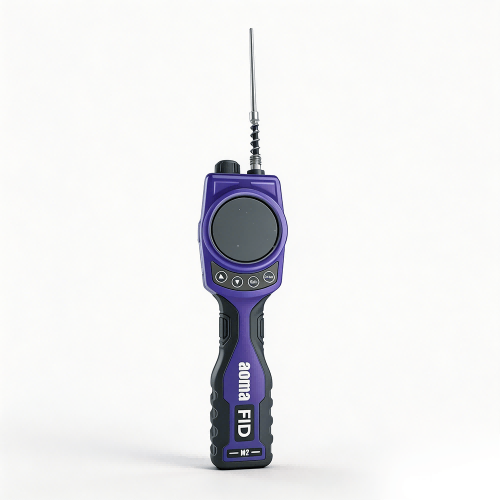
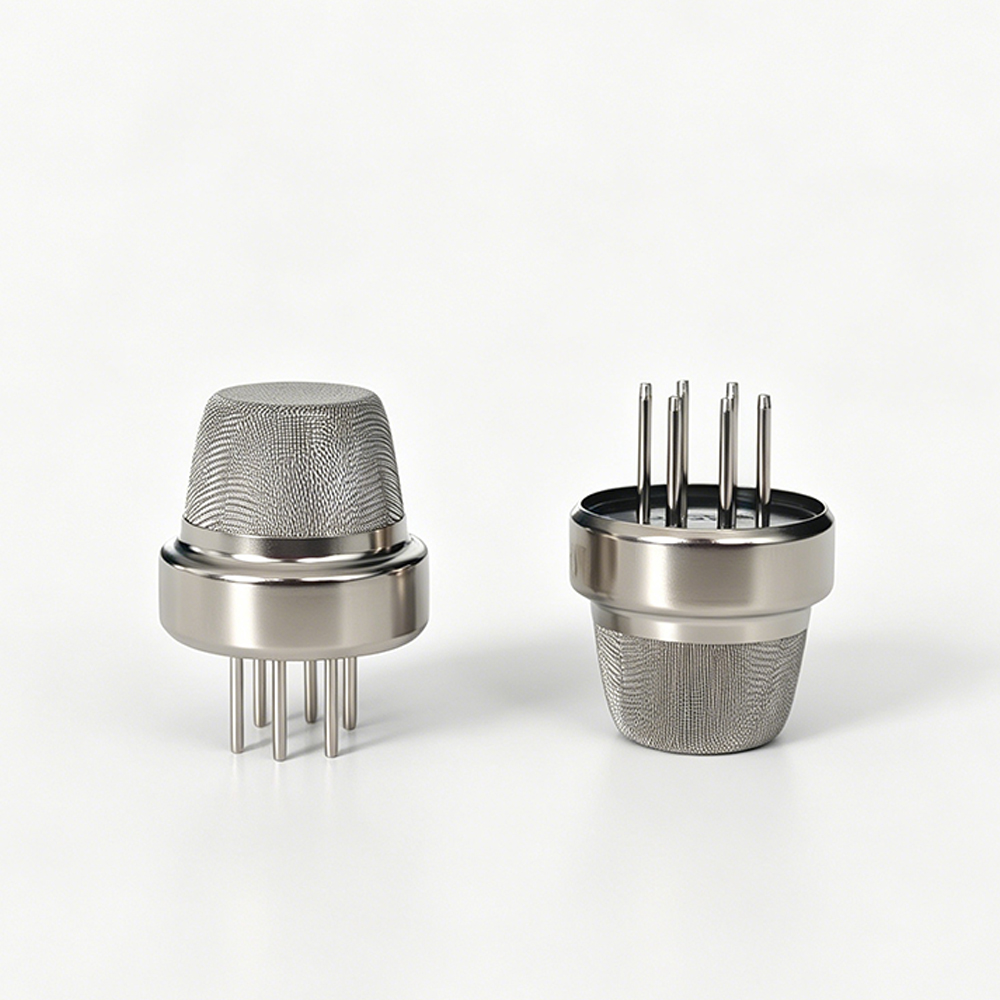
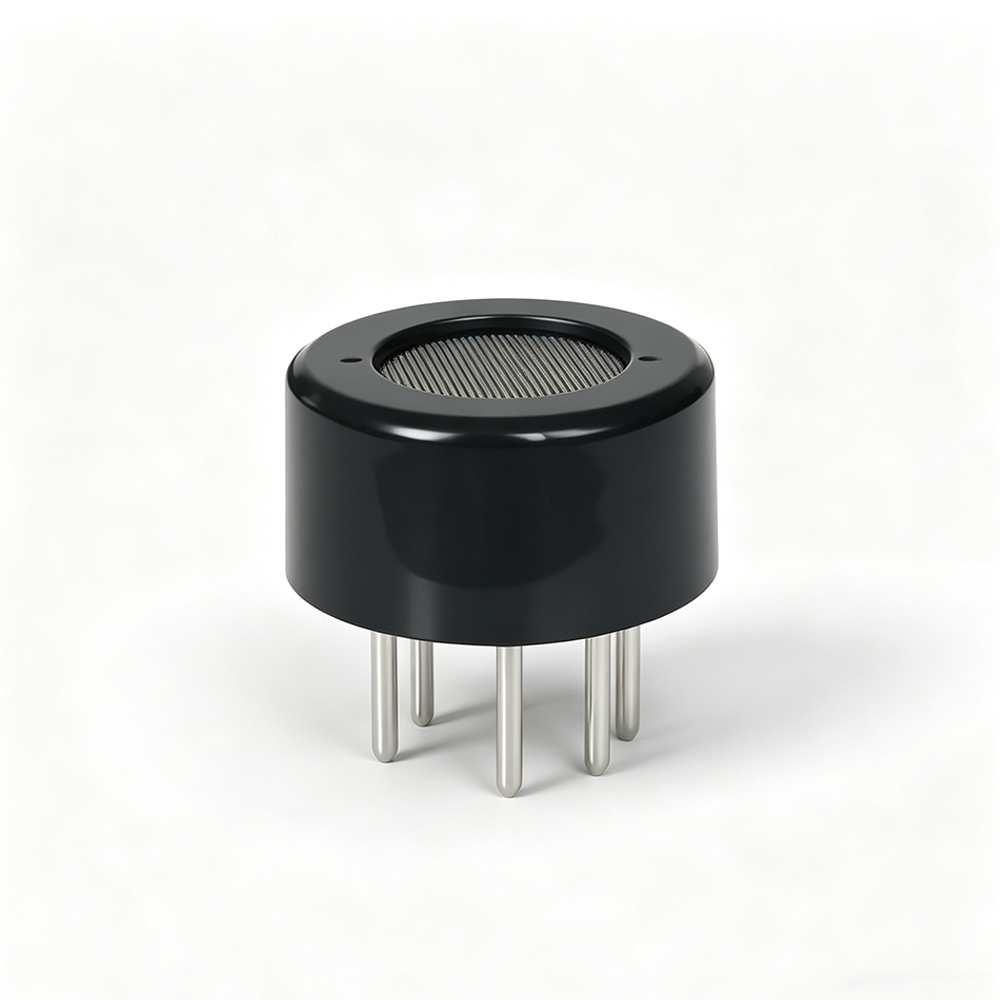
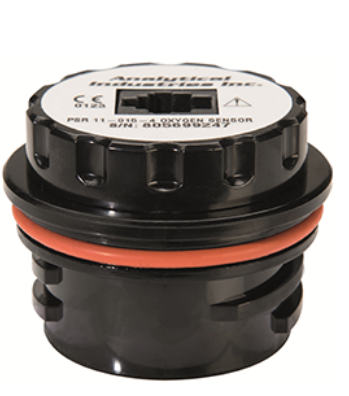
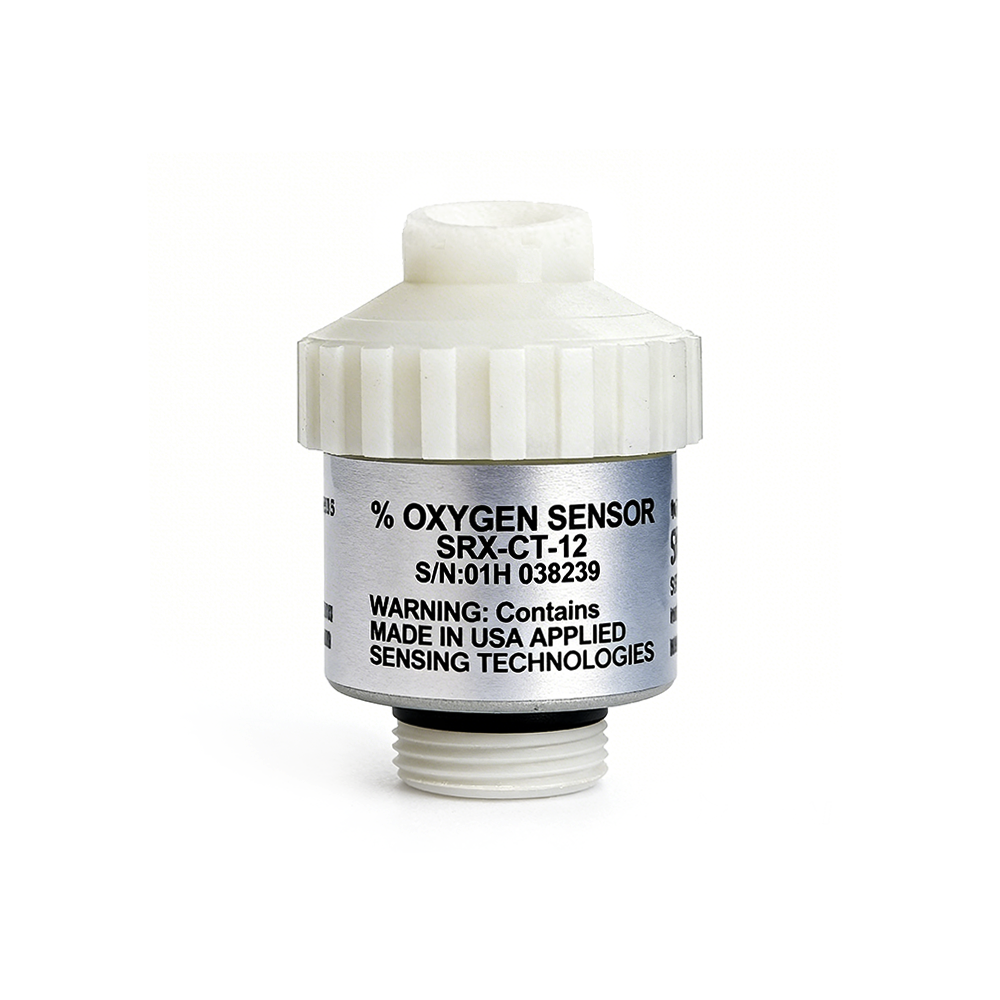
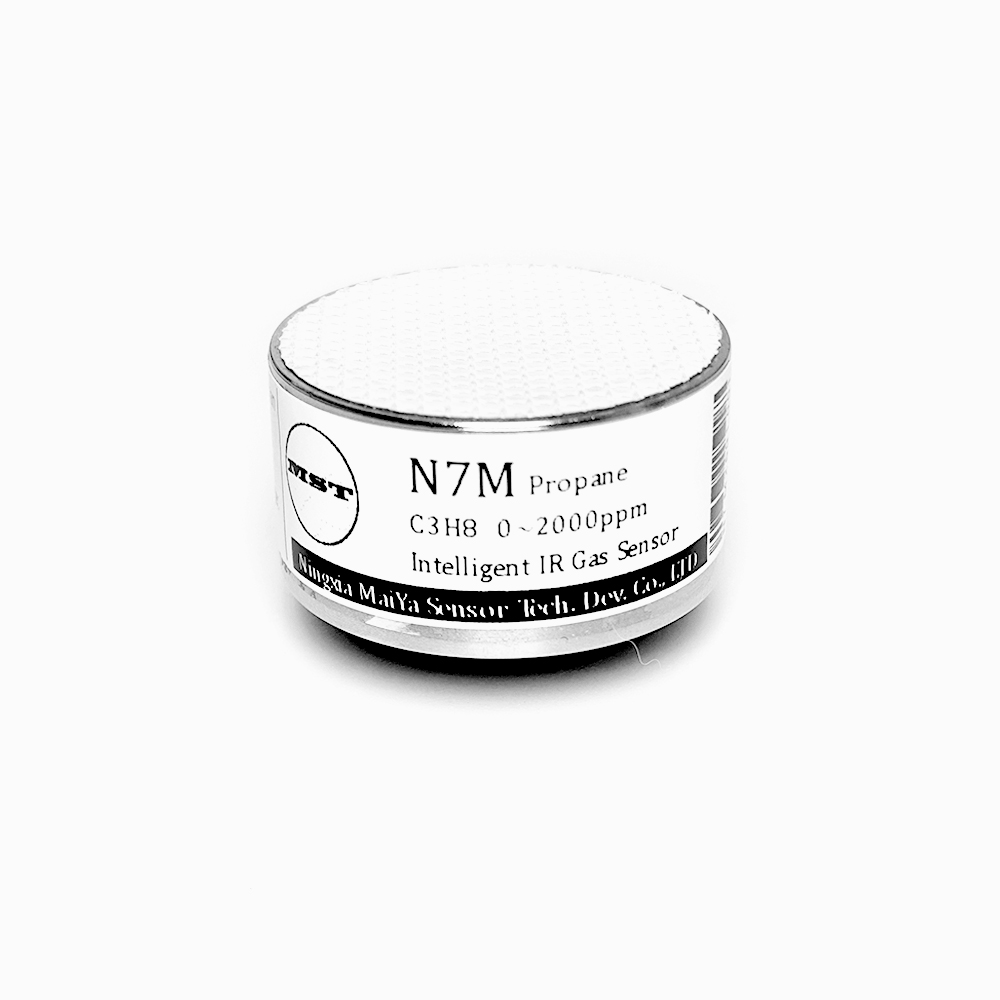
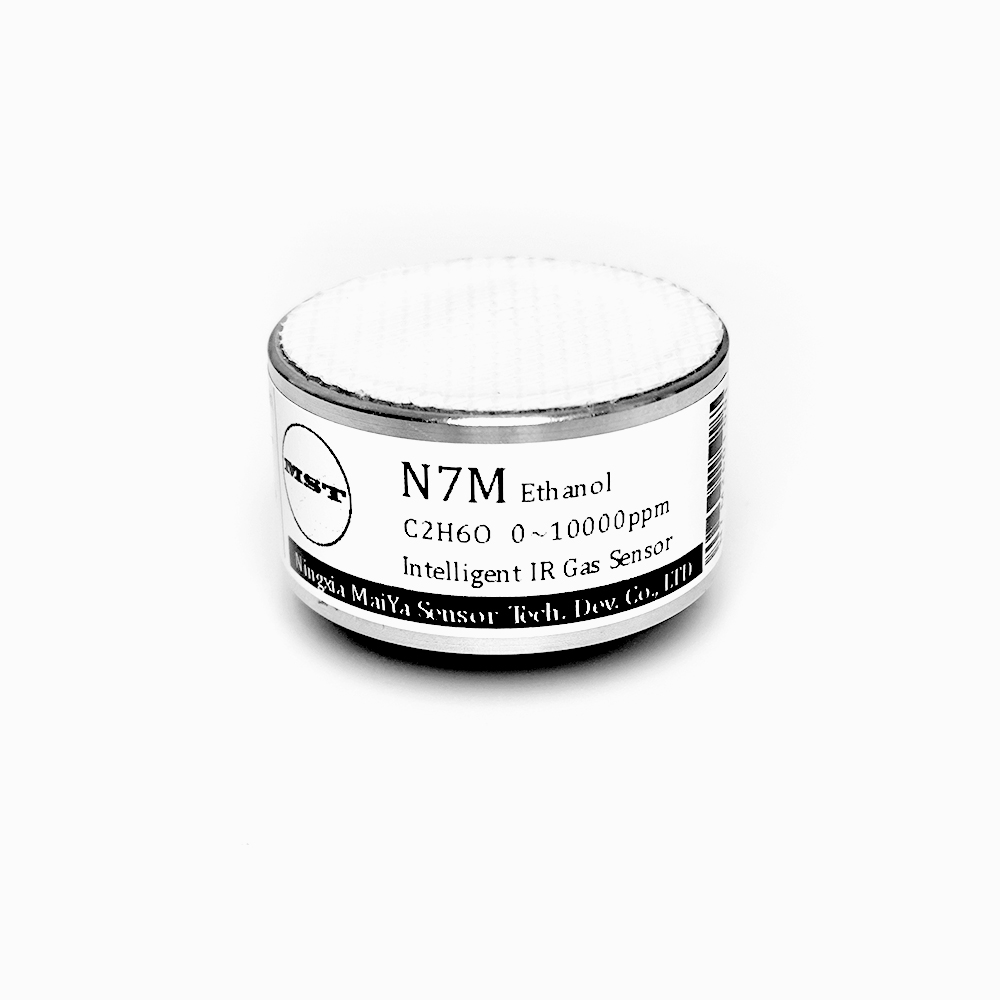
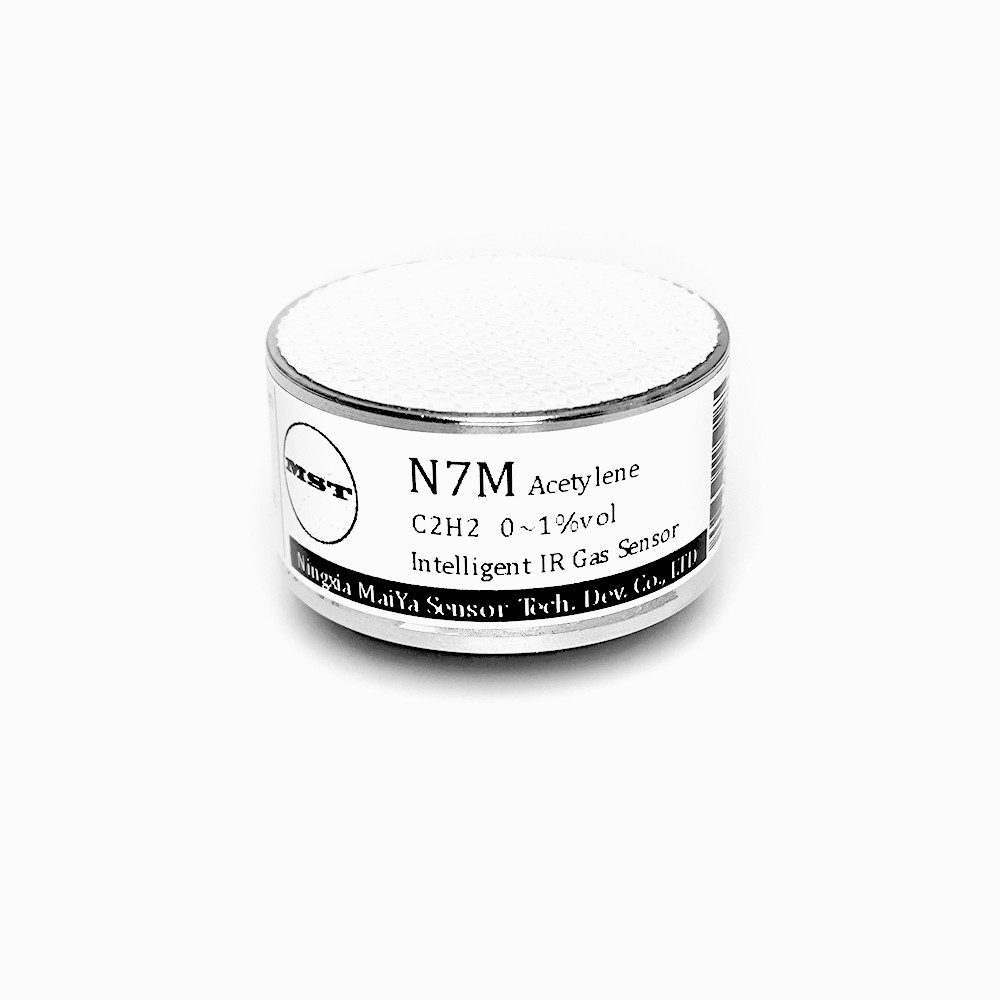
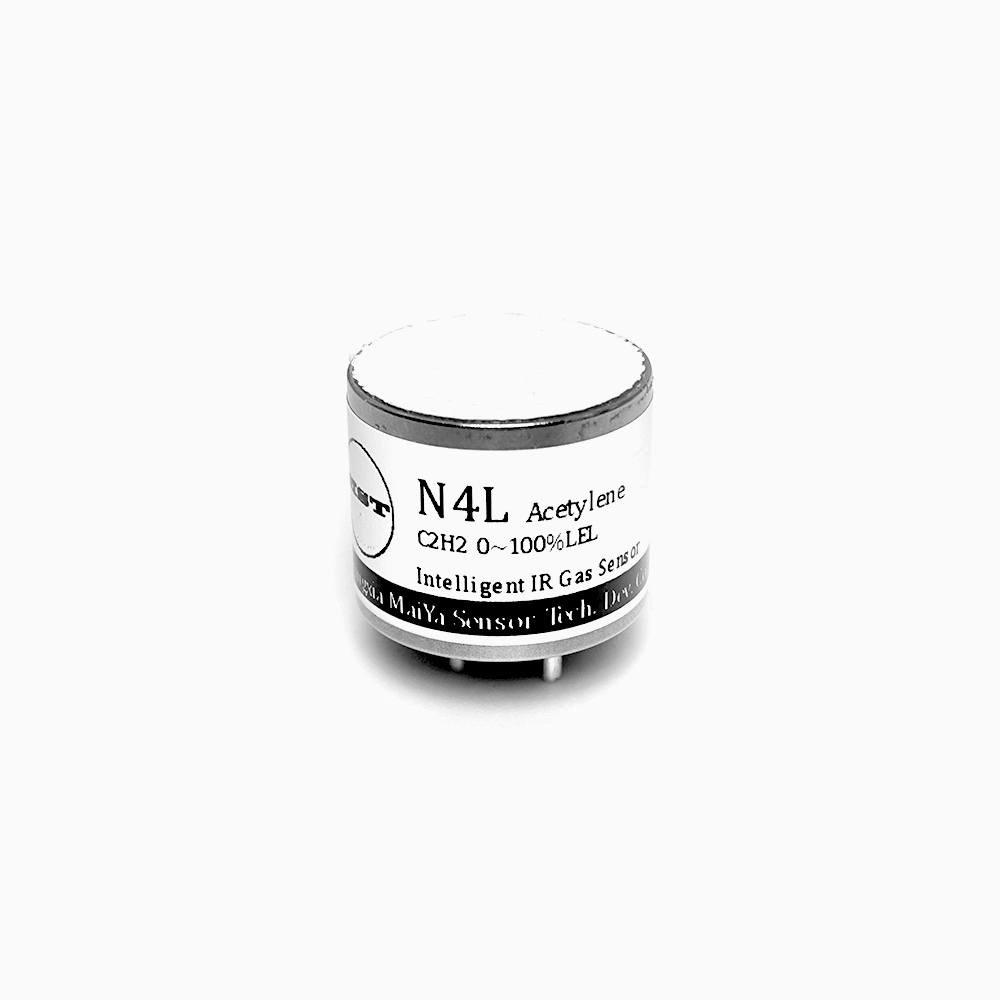
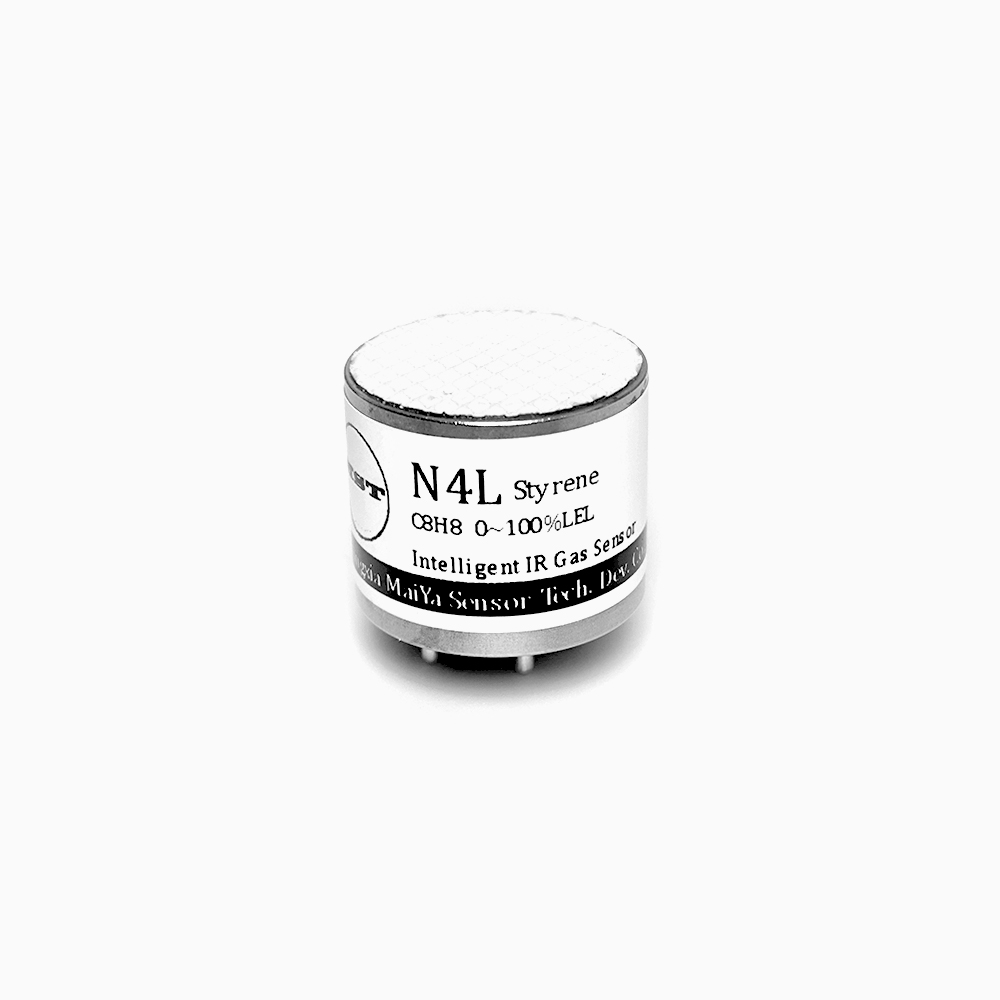
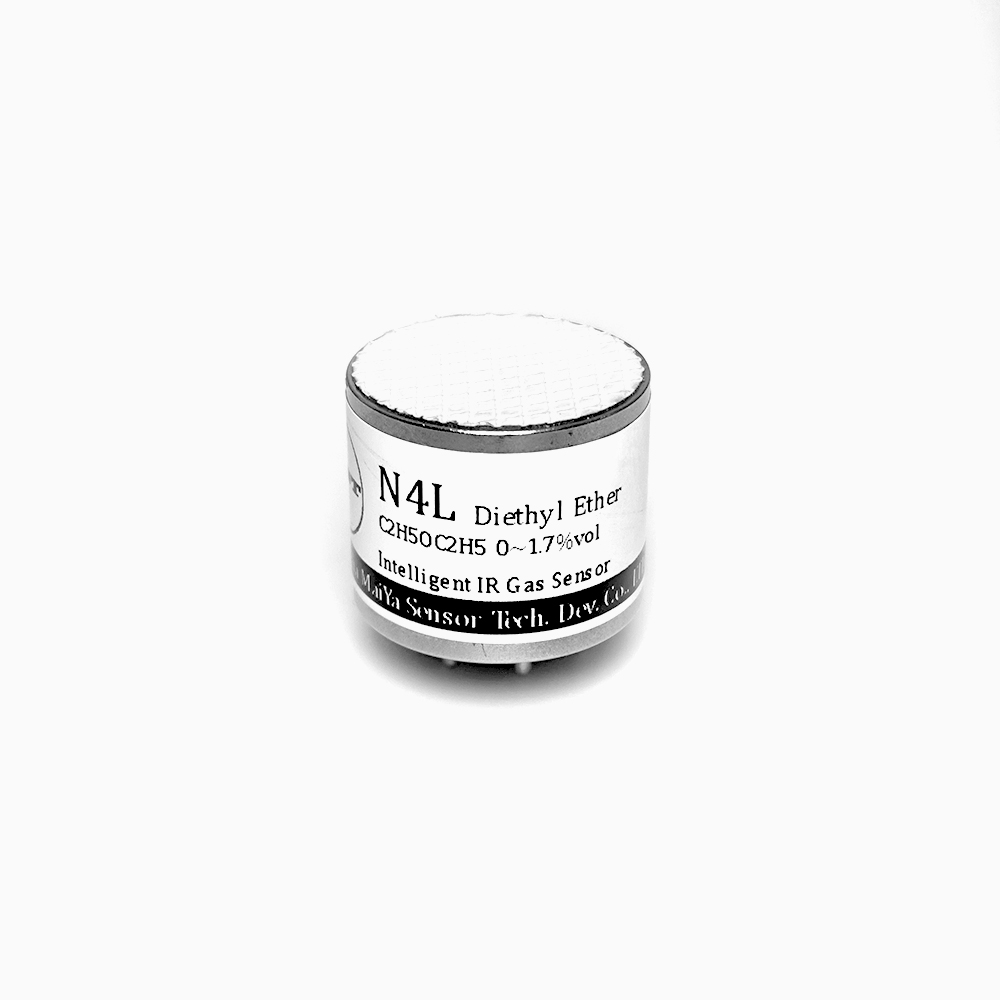
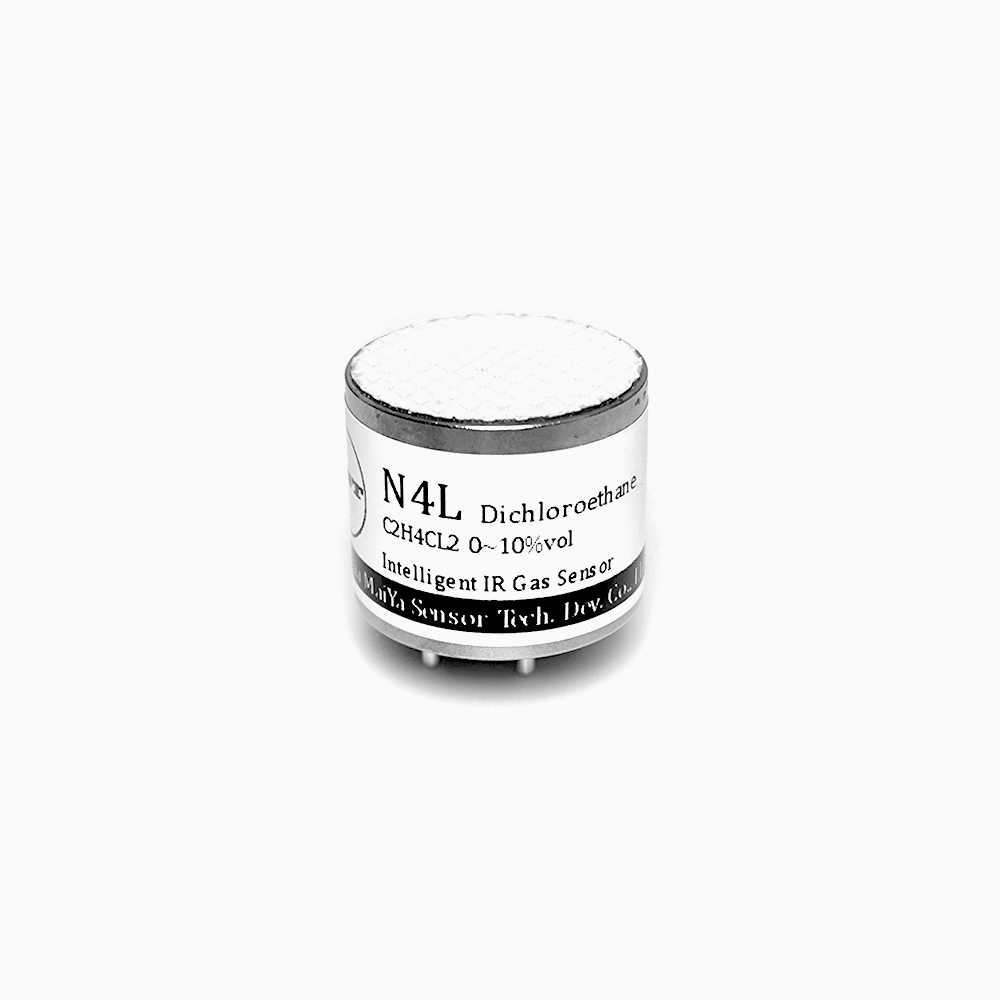
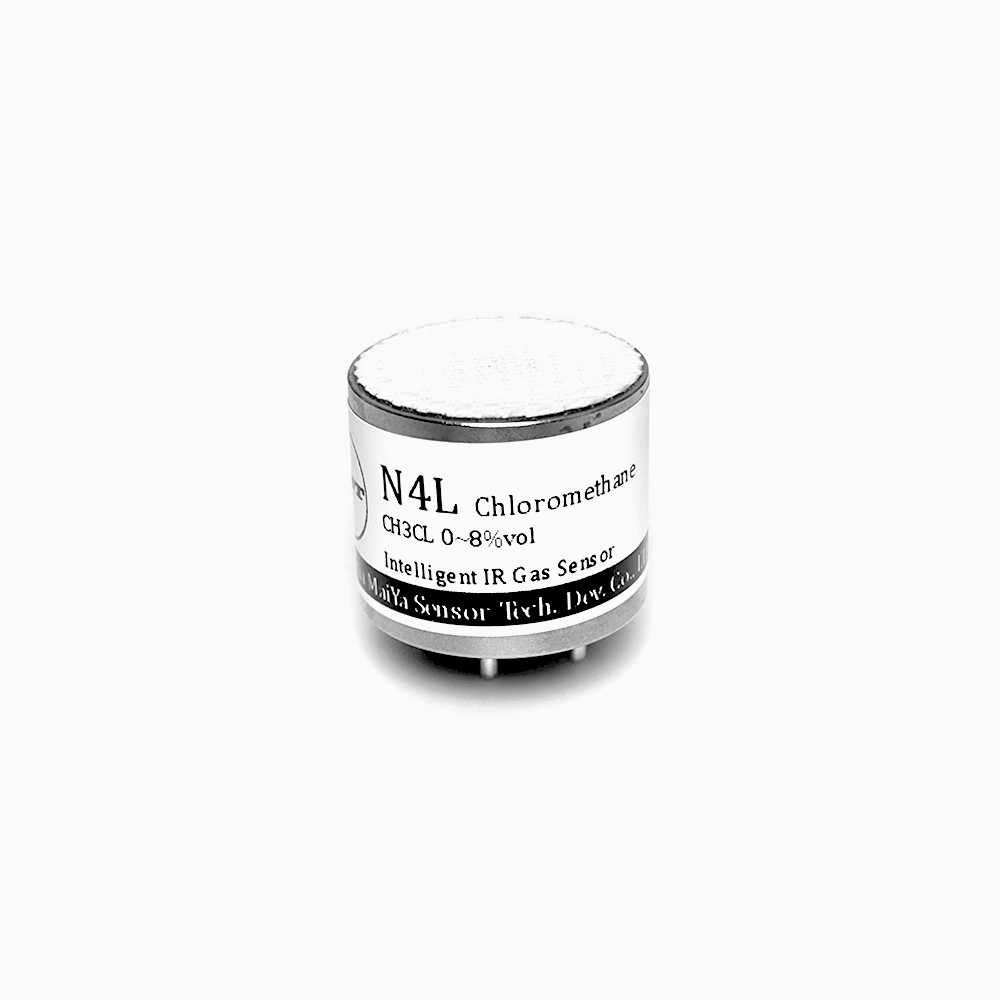
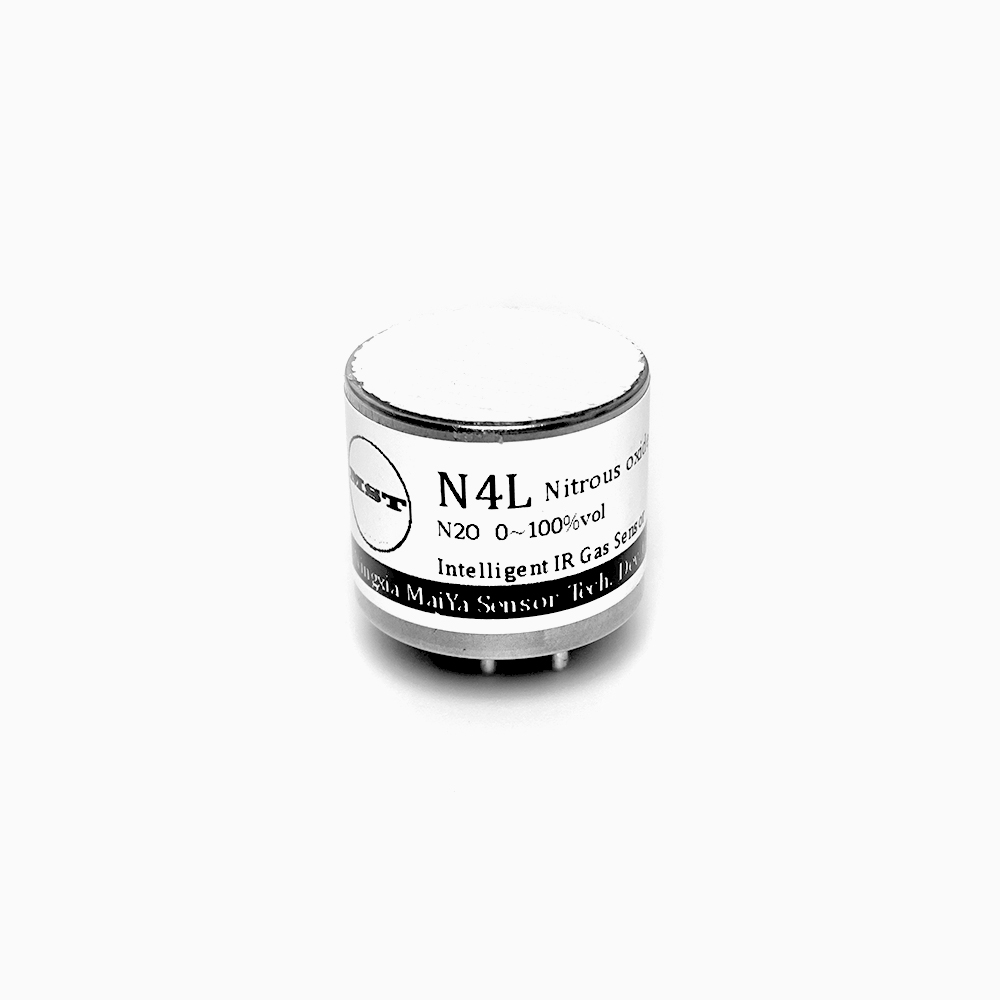
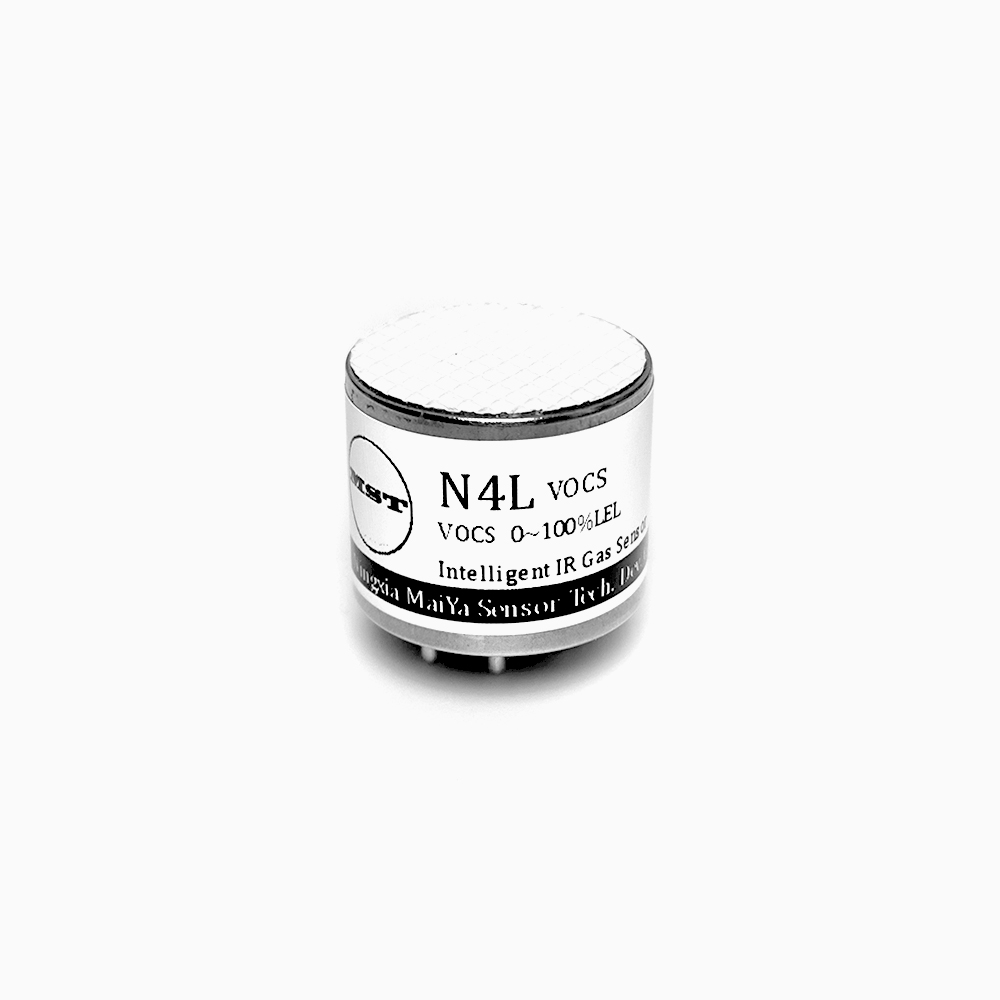
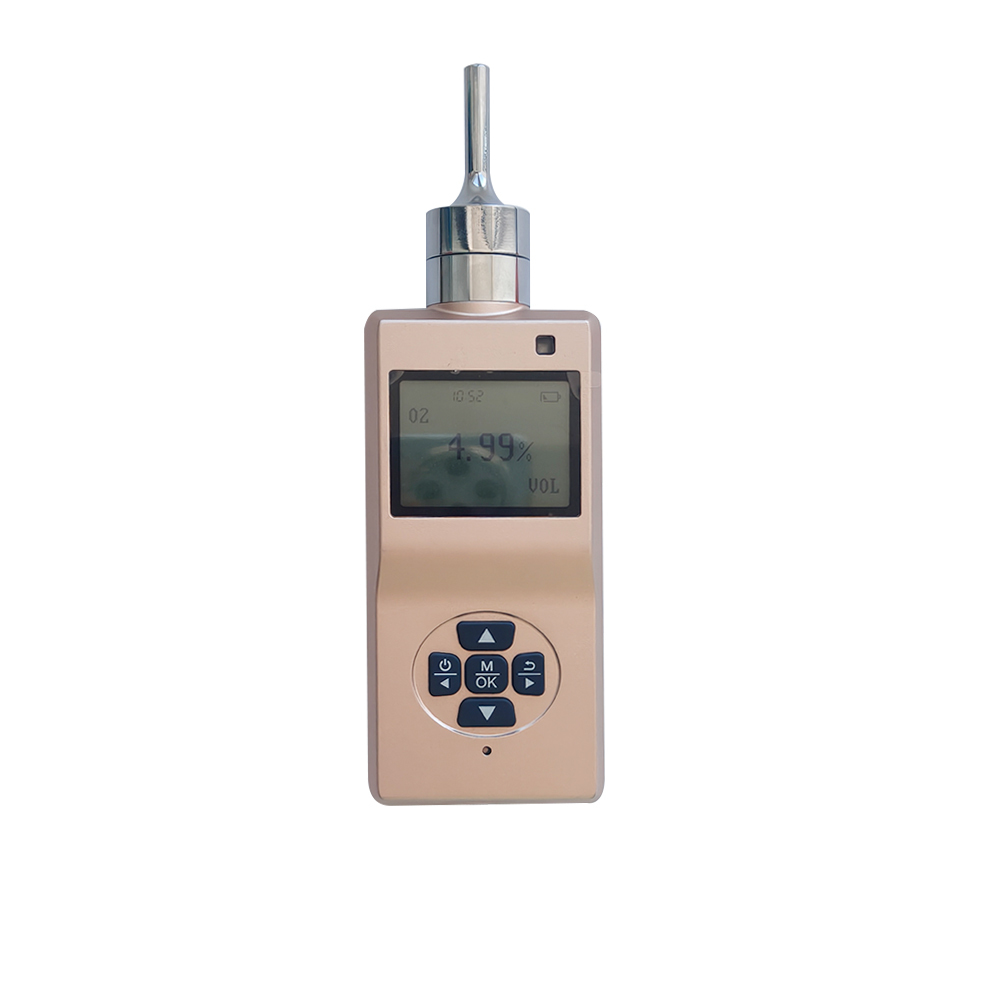
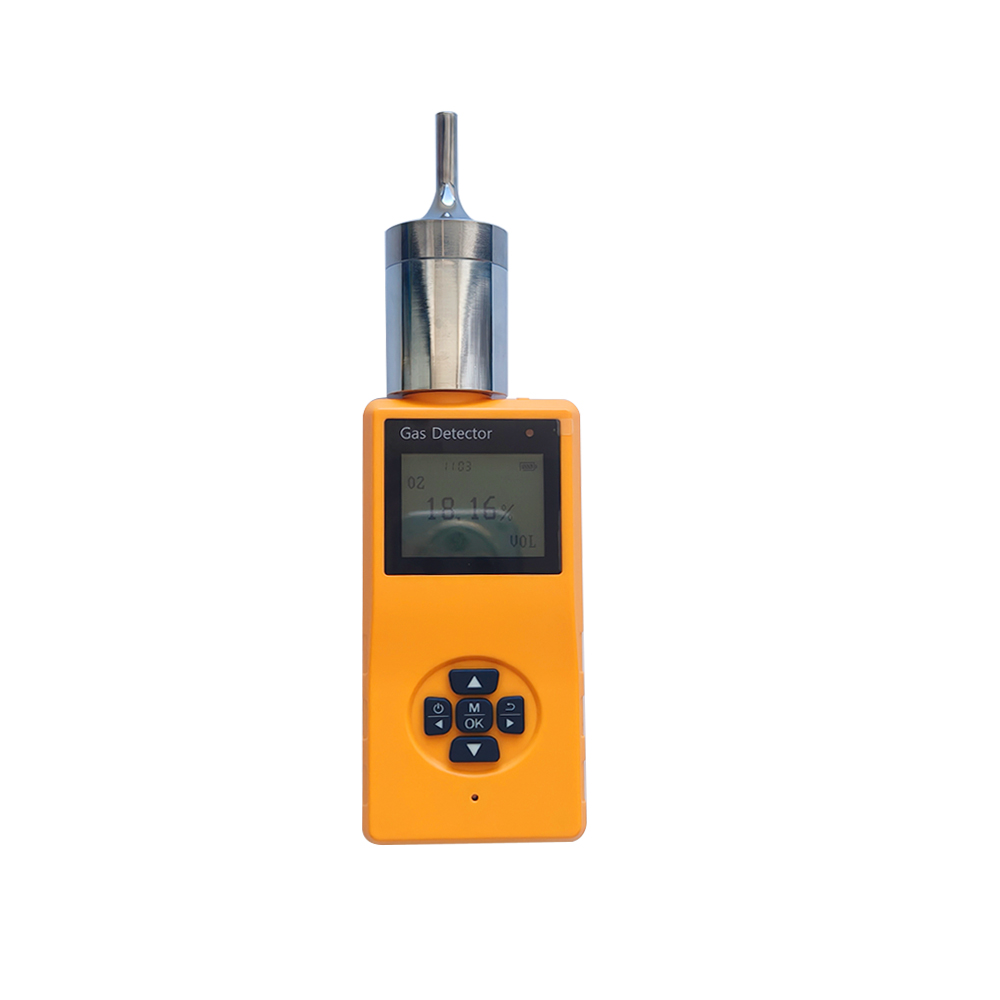
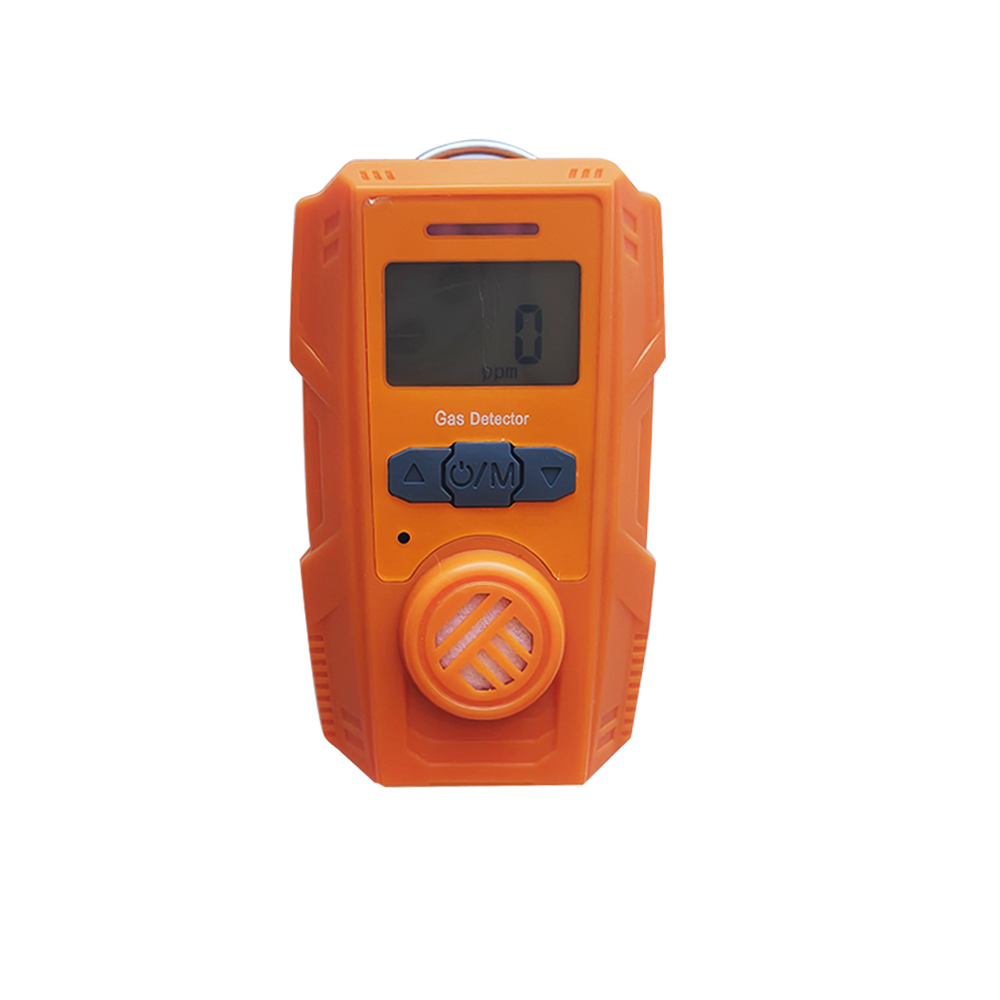
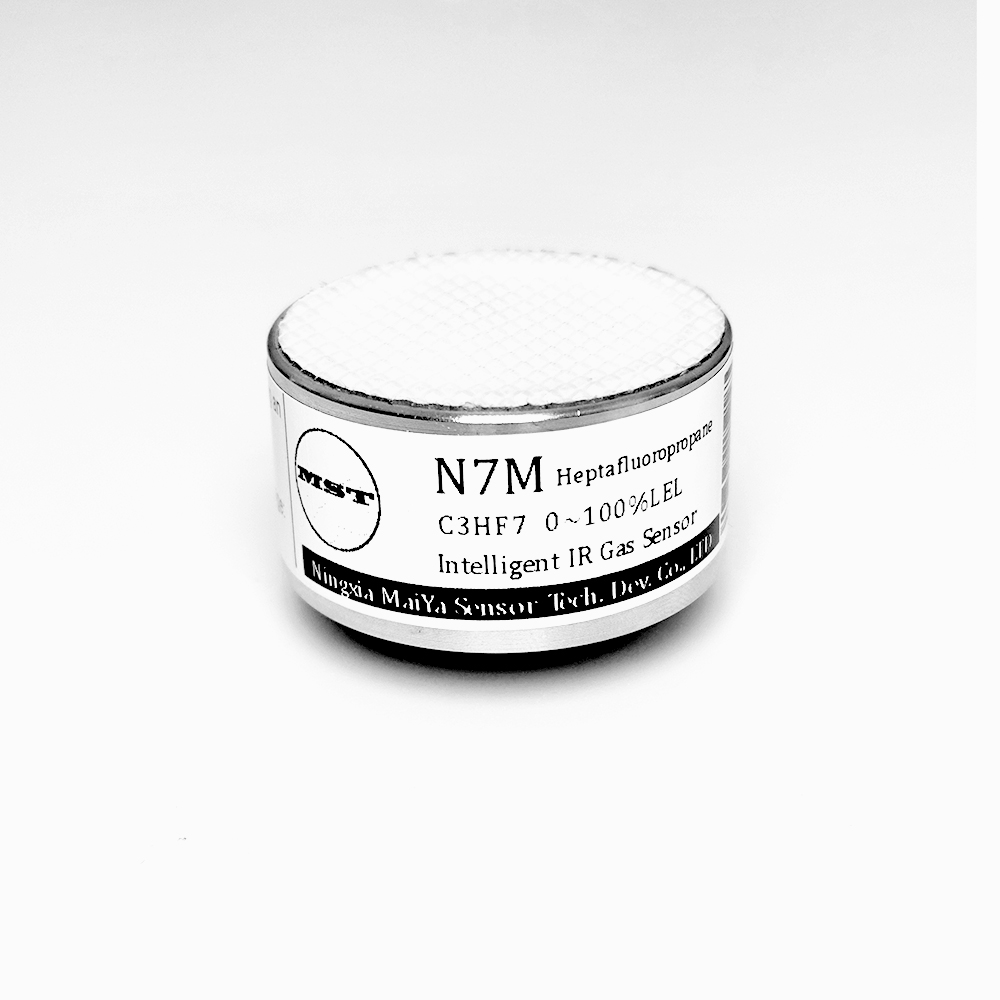
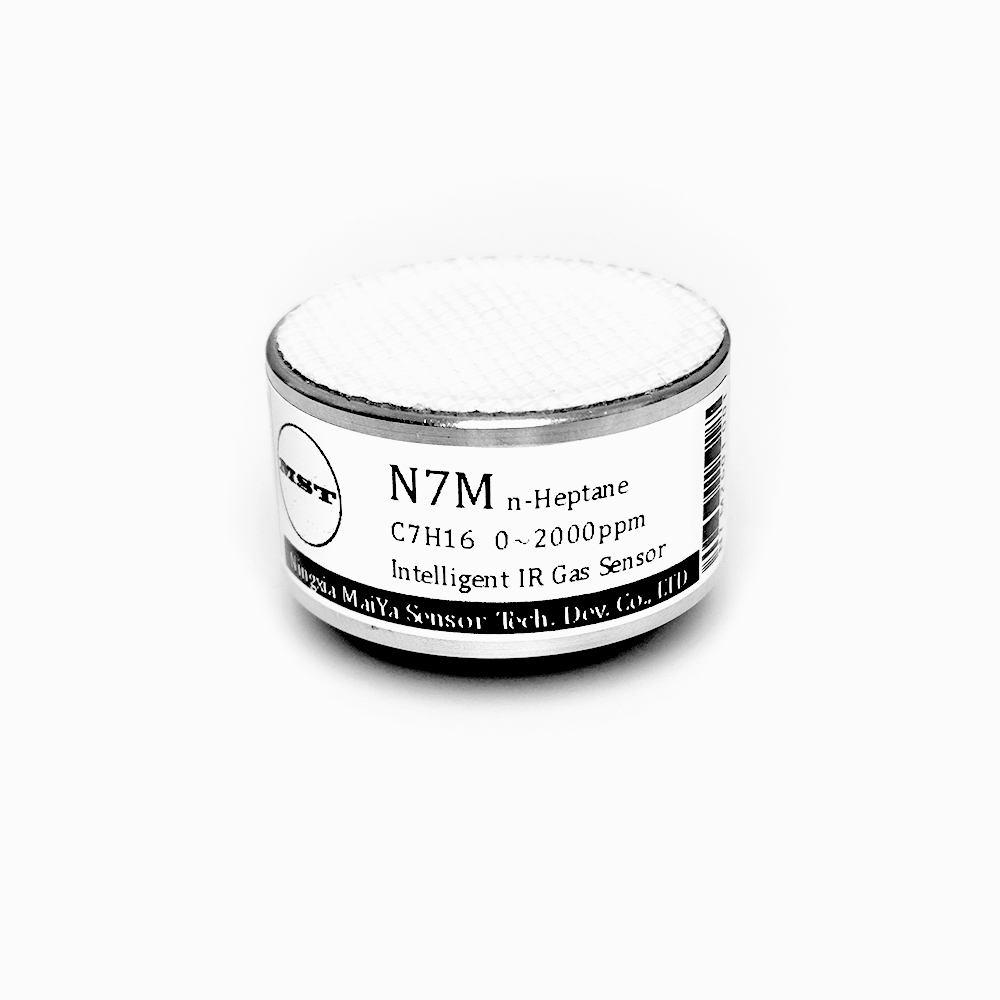
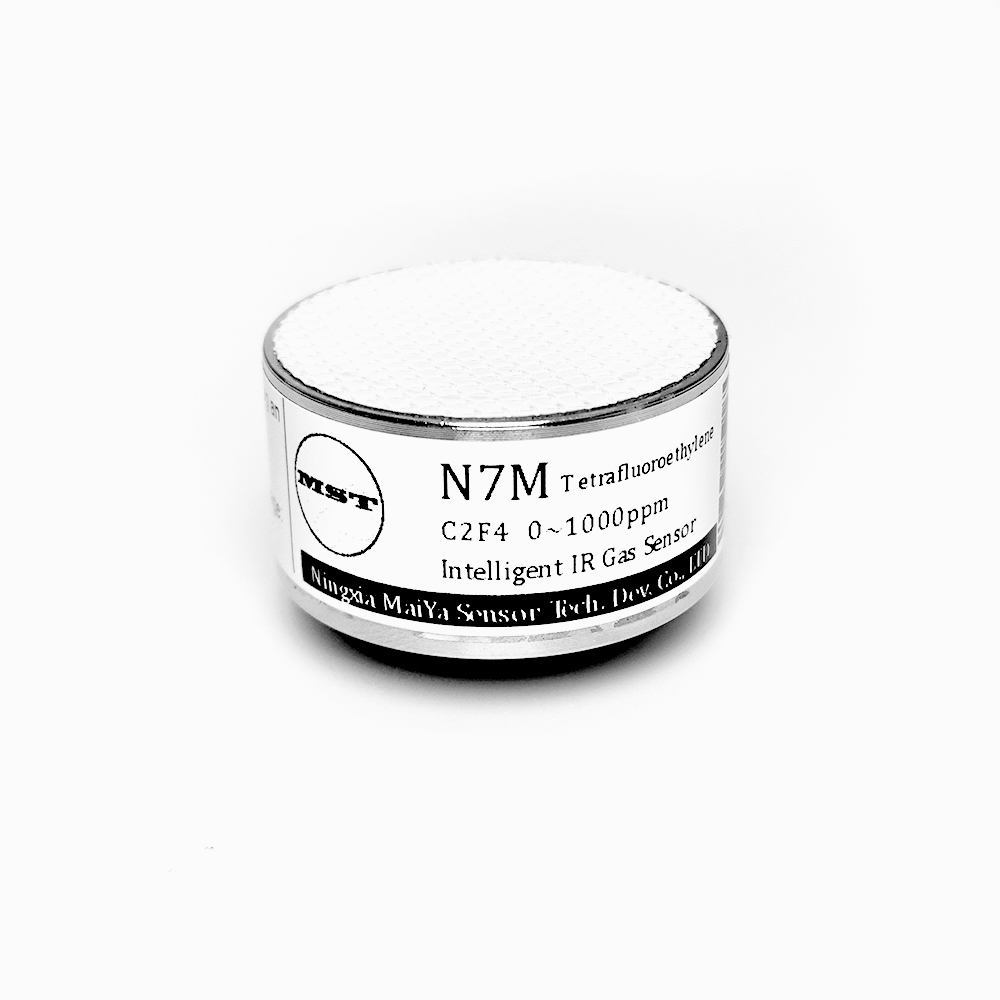
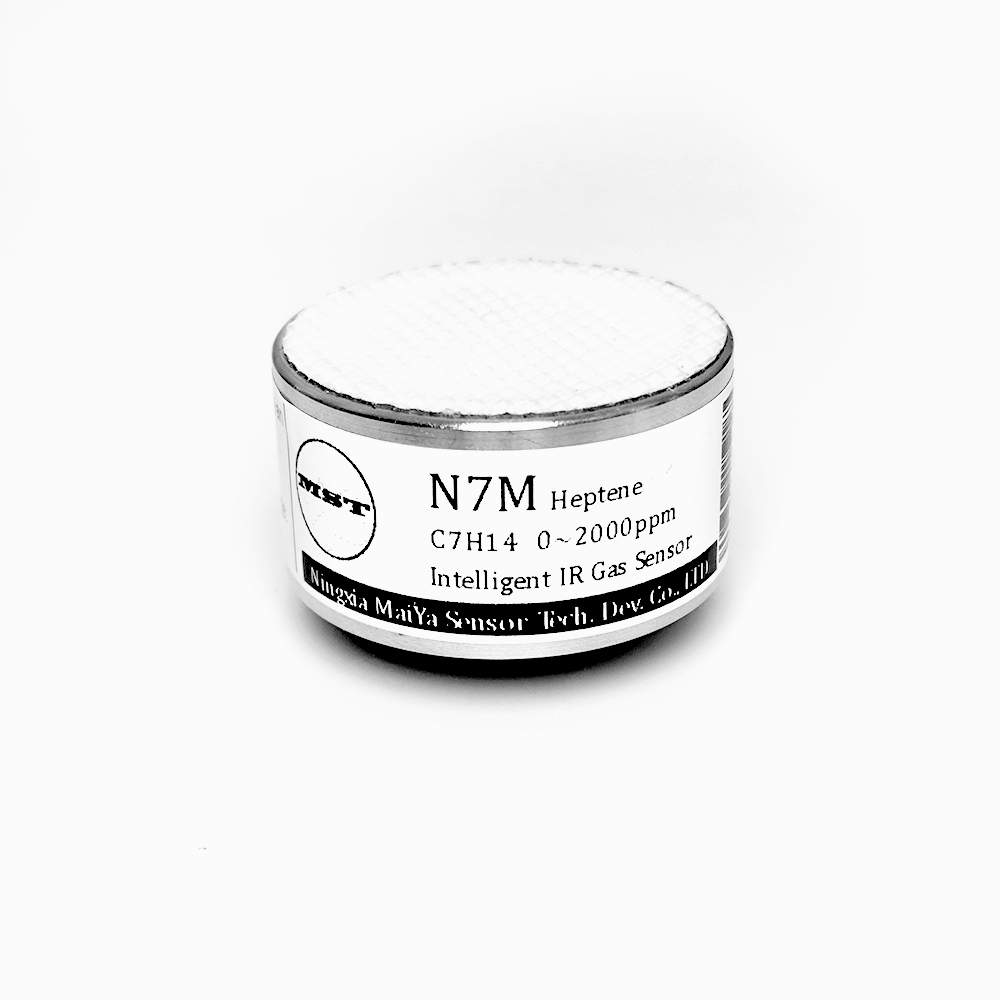
Recently, our company received an inquiry from a Singaporean clean technology firm. The client stated that their company specializes in designing chemical-resistant hollow fiber membranes for Organic Solvent Nanofiltration (OSN), which separate chemical mixtures at the molecular level to address the issue of excessive energy consumption in chemical separation processes. During their R&D and production processes, the feed liquid, permeate, and retentate of the Organic Solvent Nanofiltration (OSN) system all contain a large amount of organic solvents. If equipment sealing fails or operation is improper, it will lead to solvent volatilization and leakage, thereby causing safety production accidents and personal injuries. The client approached us to recommend a portable detector for monitoring methanol and acetone leaks in the Organic Solvent Nanofiltration (OSN) system.
Subsequently, we gained a deeper understanding of the Organic Solvent Nanofiltration (OSN) system and hollow fiber membranes. Hollow fiber membranes are the core carrier of OSN technology, and their chemical resistance requires the separation layer material to form a stable chemical structure (such as a covalent bond-dominated network structure) through processes like cross-linking modification, high-temperature carbonization, or ceramic sintering. These membranes can withstand organic solvents (alcohols, ketones, esters, aromatics, etc.), strong acids and alkalis (pH 1-14), and high-temperature environments (usually ≤120℃). In such production environments, there are various complex organic gases that may interact with each other. For example, alcohol solvents (including methanol, ethanol, isopropanol, etc.) are present in the feed pipelines of raw materials, membrane module outlets, and solvent recovery tanks of the OSN system. Leakage of these substances is common and can cause significant harm to workers—for instance, methanol can damage the optic nerve. Additionally, acetone leakage may occur at the seals of membrane modules and retentate concentration tanks. Acetone is highly flammable and volatile, easily forming explosive gas mixtures. Furthermore, benzene, toluene, and xylene may leak from membrane modules and pipeline joints under high-temperature operating conditions. These substances are highly toxic (benzene is carcinogenic) and flammable; their accumulation after leakage poses an explosion risk.
After fully understanding the client's production environment and needs—including potential leaks in organic solvent systems and corrosion-resistant processes in the clean technology industry, as well as the client's calibration requirements for product delivery and after-sales service needs—we designed a systematic, multi-level, and intelligent gas leakage monitoring solution for the client.
 Hot News
 EN
EN
 CH
CH AR
AR BG
BG DA
DA NL
NL FR
FR DE
DE EL
EL HI
HI IT
IT JA
JA KO
KO PL
PL PT
PT RO
RO RU
RU ES
ES SV
SV TL
TL IW
IW ID
ID LV
LV UK
UK VI
VI TH
TH TR
TR FA
FA MS
MS SW
SW GA
GA BE
BE UR
UR BN
BN MY
MY SI
SI KU
KU