Risk Identification and Analysis
In the clean technology industry, key risk points and hazardous gases in the use of monitored organic solvent systems, hollow fiber membrane R&D, and related production, testing, and process application links include:
1. Raw Material and Storage Areas
Raw material tanks, solvent warehouses (storing methanol, acetone, ethyl acetate, etc.), and unloading zones. Large-scale leaks are likely to occur, forming explosive environments or acute poisoning risks.
2. Core Process Areas
• Membrane Modules and Pipelines: High-pressure pump outlets, membrane housing seals, pipeline flanges, and valves are the most common leakage points for solvents such as methanol and acetone.
• Separation and Collection Units: Permeate collection tanks, retentate concentration tanks, and solvent recovery devices. Solvent concentrations here are high, and leaks may be continuous and concealed.
3. Laboratory and Testing Areas
Small-scale process experiments involve frequent operations with various solvents, making local leaks likely.
Design of Multi-Level Monitoring Solution
We propose a trinity three-dimensional monitoring architecture: "Fixed Online Monitoring + Mobile Inspection + Personal Protection".
Fixed Online Monitoring System (Core Defense Line, Real-Time Early Warning)
Goal: Achieve real-time continuous monitoring at key risk points with second-level response when leaks occur.
Goal: Achieve real-time continuous monitoring at key risk points with second-level response when leaks occur.
Deployment Points:
1.Around solvent storage tanks and raw material feed inlets;
2.Above the process framework where membrane modules are centrally installed (to monitor the accumulation of volatile gases);
3.At the breather valve outlets of permeate/retentate collection tanks;
4.At the air outlets or return air inlets of workshops and laboratories (to monitor overall environmental concentrations).
Recommended Equipment and Technology:
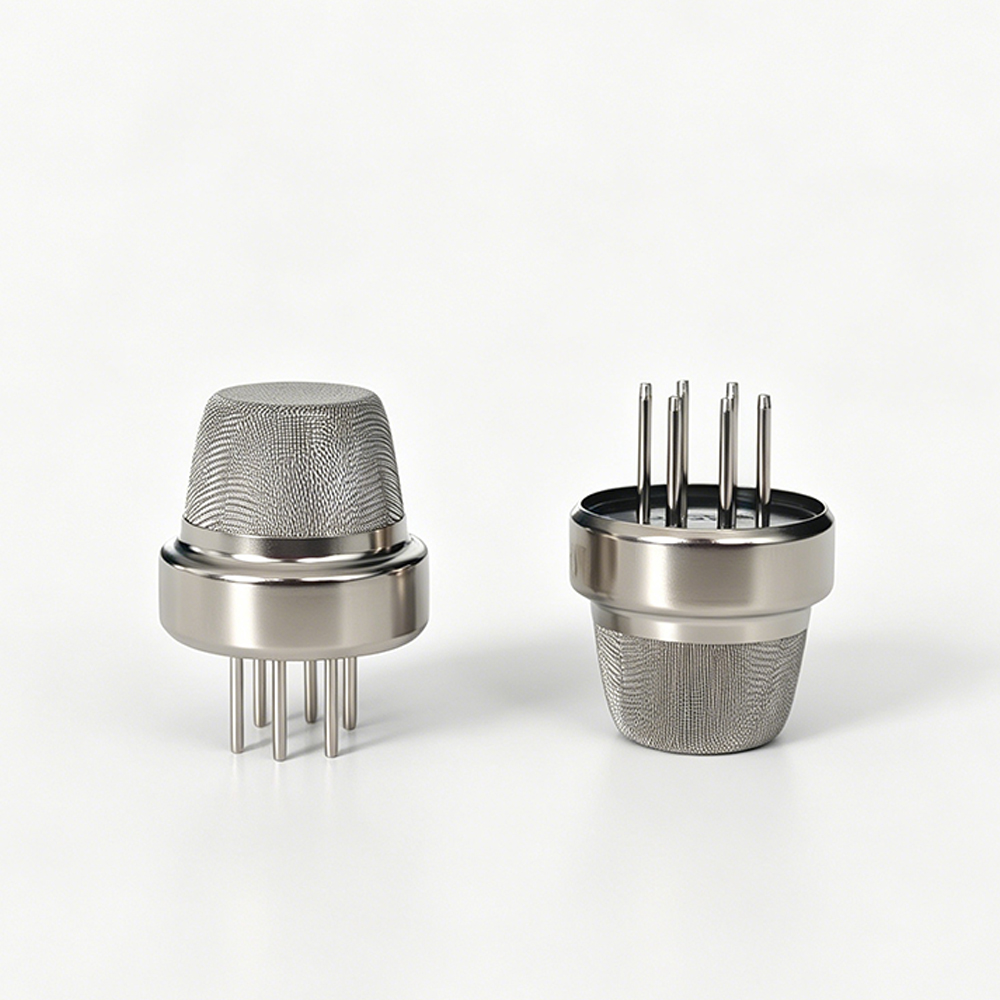
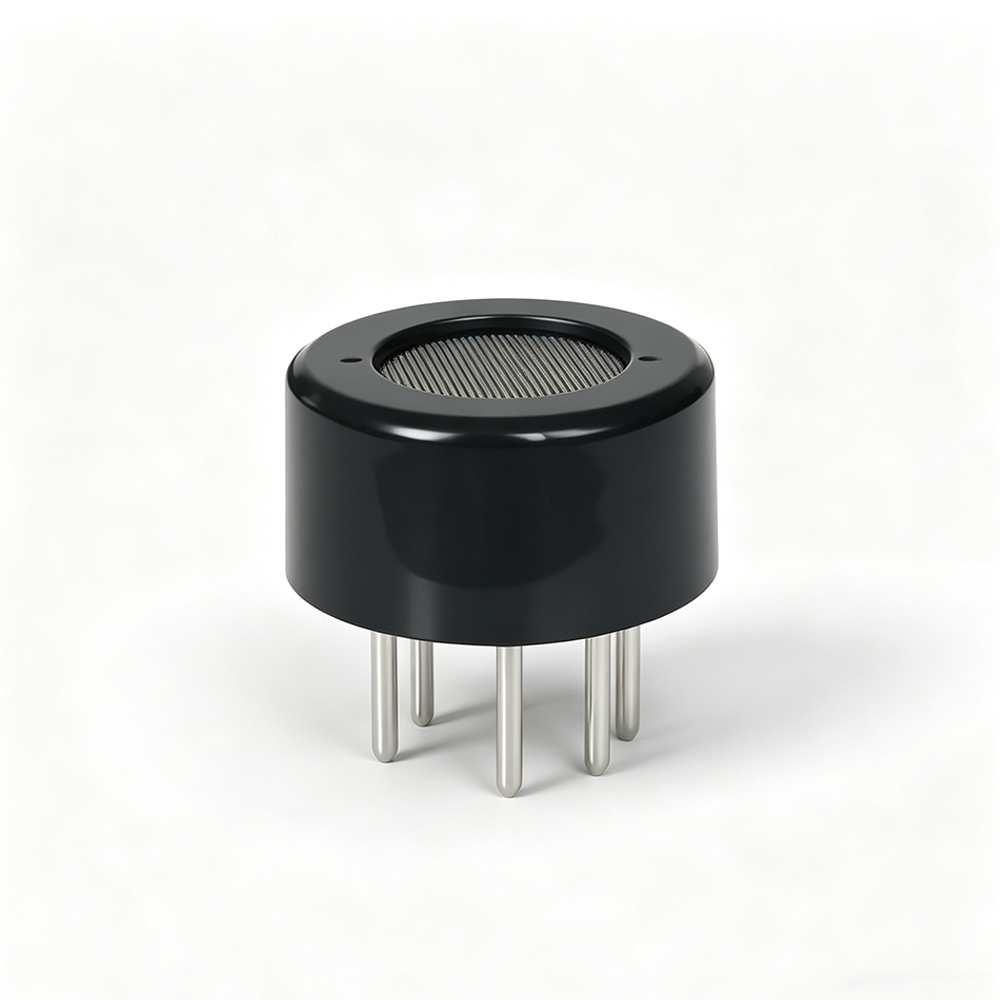
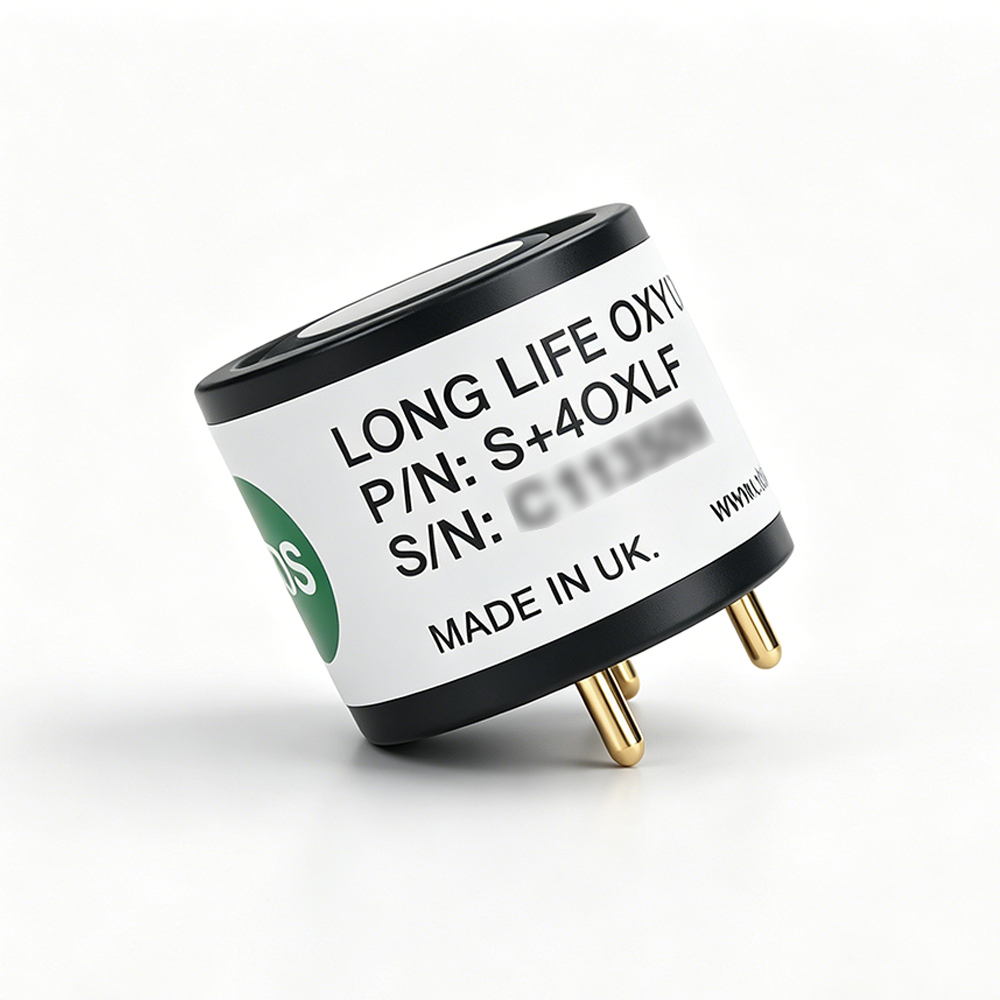
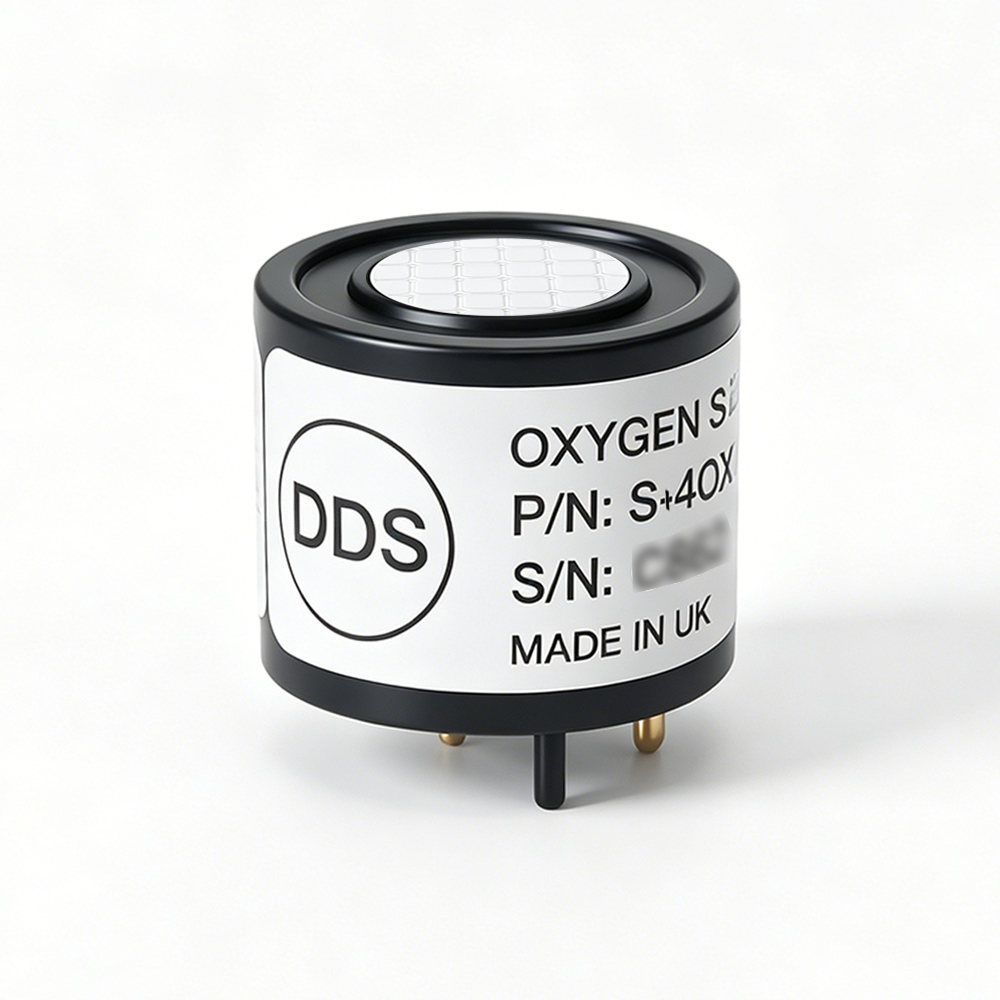
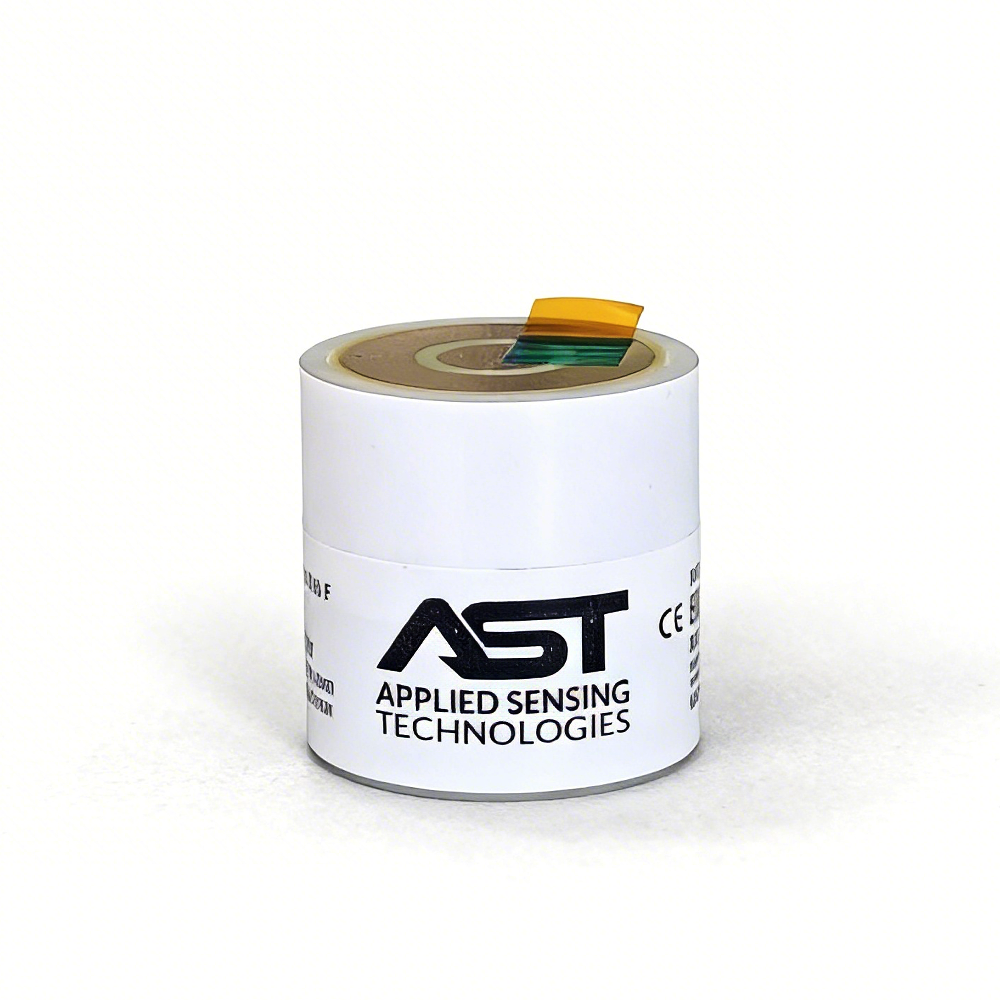
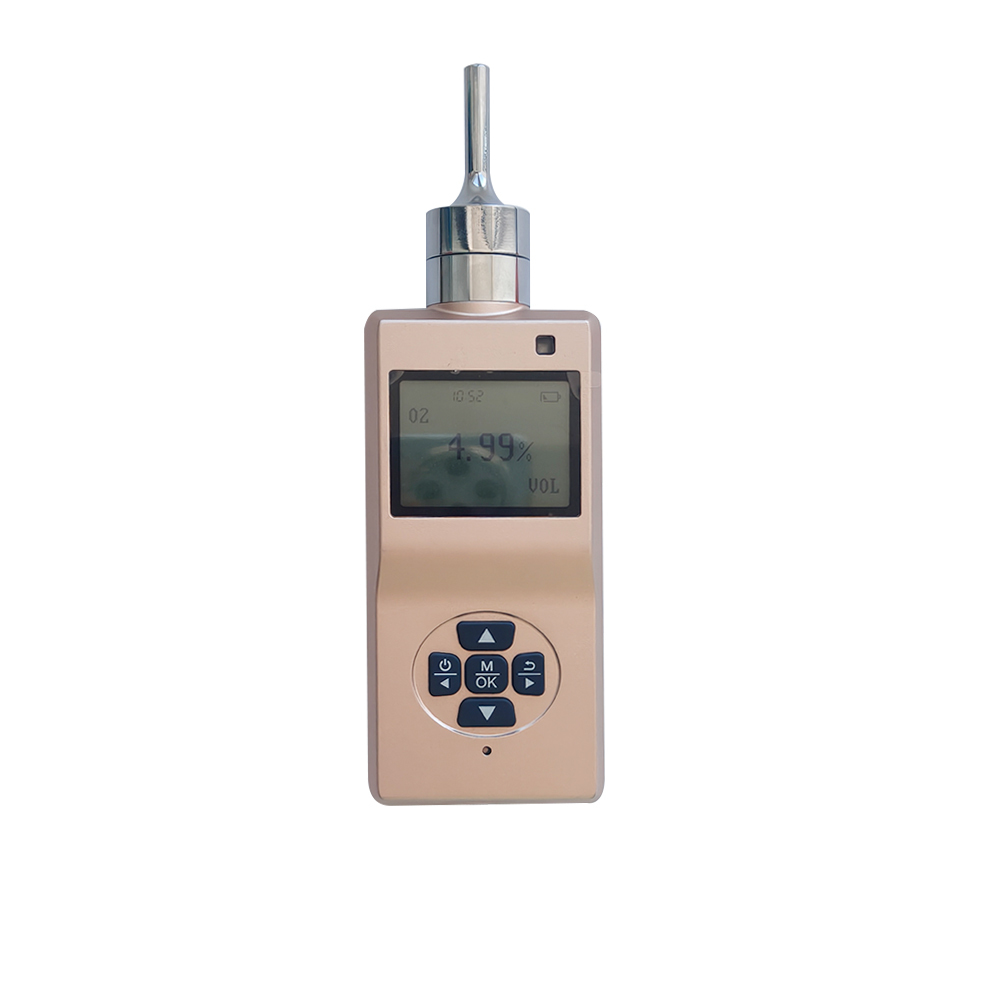
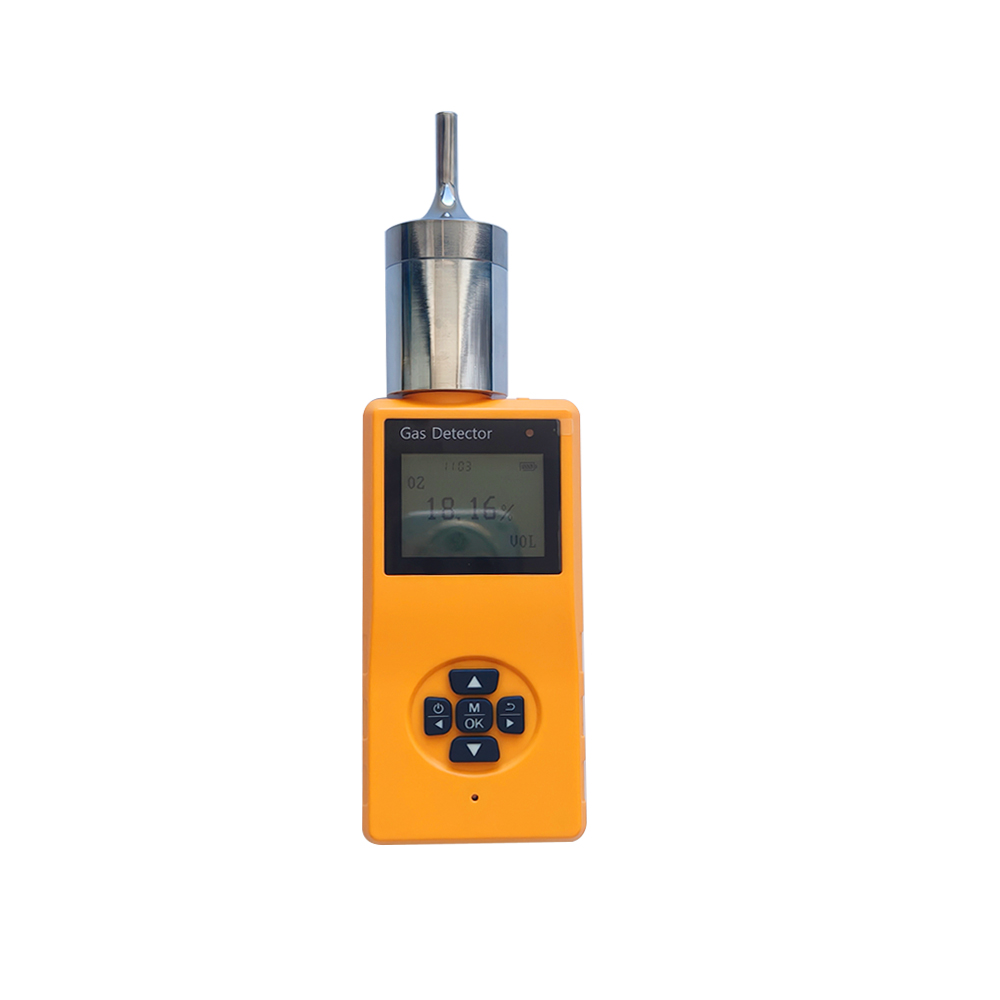
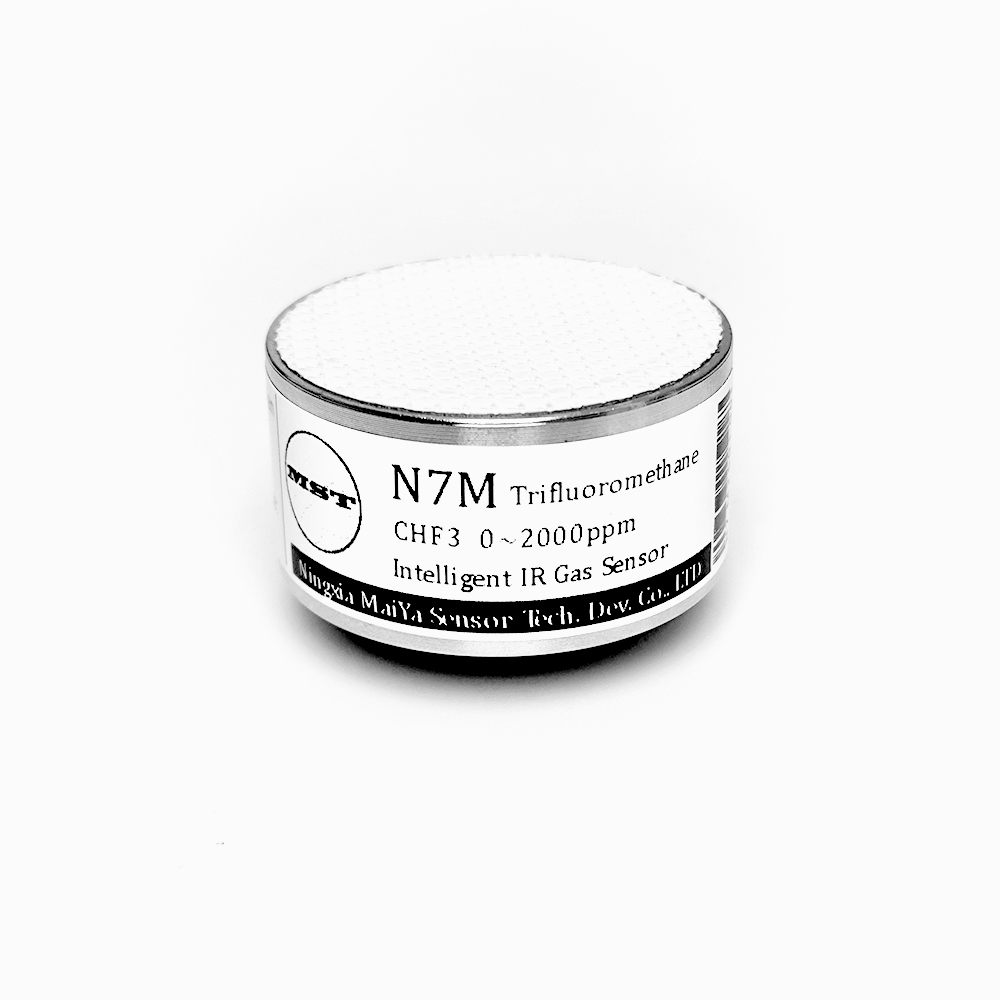
Multi-point Monitoring: For specific target gases such as methanol and acetone, install fixed detectors equipped with highly selective electrochemical sensors. Recommended models include the Malt Sensing MSTF100 Series and Mupuan VOXI PID Series. All fixed detectors in the Malt Sensing MSTF100 Series can be connected to controllers, integrating detector signals into the central control room's PLC and GDS systems to realize multi-point monitoring, real-time observation of monitoring data, and data download for retrospective analysis. The Mupuan VOXI PID Series fixed transmitters adopt Photoionization Detection (PID) technology, capable of monitoring Volatile Organic Compounds (VOCs) with a resolution of 1 ppb. The innovative design of the 10.6 eV ultraviolet (UV) lamp and electrometer reduces contamination, providing more accurate and stable readings and extending maintenance intervals. Mobile applications and Bluetooth controllers facilitate on-site configuration, testing, and troubleshooting. Additionally, due to the client's need to separate methanol and acetone in their production environment, there are high requirements for sensor selection. This fixed detector offers customized sensor options, which can greatly meet the client's needs. Furthermore, our technical team provides the client with detector calibration and installation videos as well as remote after-sales installation services, addressing the client's concerns.
Gas Chromatography Leak Screening: For points with high temperature, high humidity, or difficulty in installing detectors, we recommend adopting open-path laser gas detection or extractive sampling (with heat-traced pipelines) technology. This is used for early detection of unknown or mixed VOC leaks, especially in areas with shared multi-solvent pipelines, to ensure detection accuracy and monitor toxic gases such as benzene, toluene, ethylbenzene, and xylene. To this end, we recommend the MSTP100 Portable Gas Chromatograph, which uses the Nova Test P100 Compact Gas Chromatograph (GC) (equipped with a Photoionization Detector (PID)) to analyze BTEX (Benzene, Toluene, Ethylbenzene, Xylene) in office areas. The high-performance TVOC sensor with PID technology enables fast, reliable, and stable detection results.
Portable and Mobile Inspection (Dynamic Defense Line, Precise Positioning)
Goal: Daily safety inspections, leak source localization, and post-emergency response evaluation.
Application Scenarios:
Supplementary inspections of blind spots of fixed detectors;
Sealing tests of equipment and valves before and after maintenance;
Rapid localization of specific leak points by safety personnel after an alarm is triggered.
Recommended Equipment and Technology:
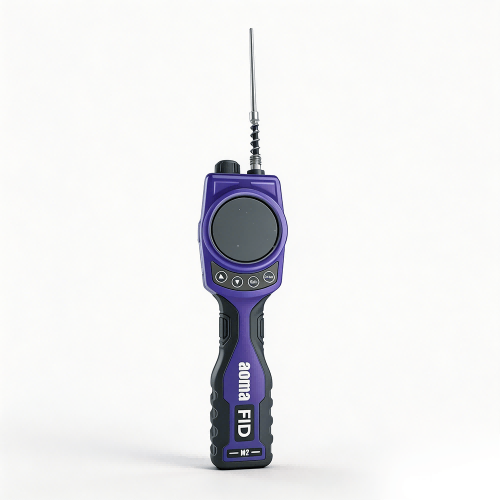
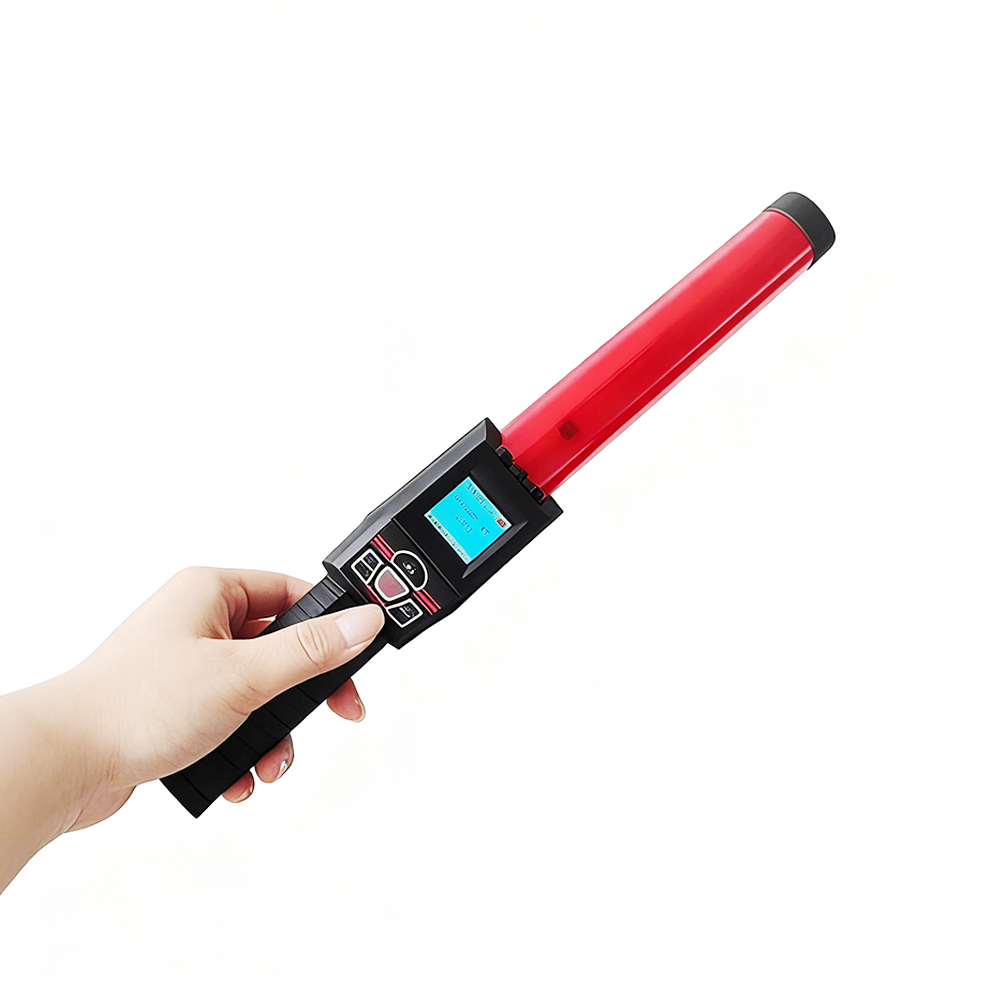
Multi-Functional Portable Detectors: Recommended models include the MST410P-PID Pump-Action Detector, RAE Systems 7300 Pump-Action Detector, and Mupuan NEO MP18x Series. The MST410P-PID is equipped with a powerful built-in pump and high-performance PID sensor, supporting customizable gas detection. It features an LED display, Bluetooth connectivity, and data storage functions, with fast response and high sensitivity. It can sample suspected points at heights or depths via an extendable rod to accurately "sniff out" micro-leak sources.
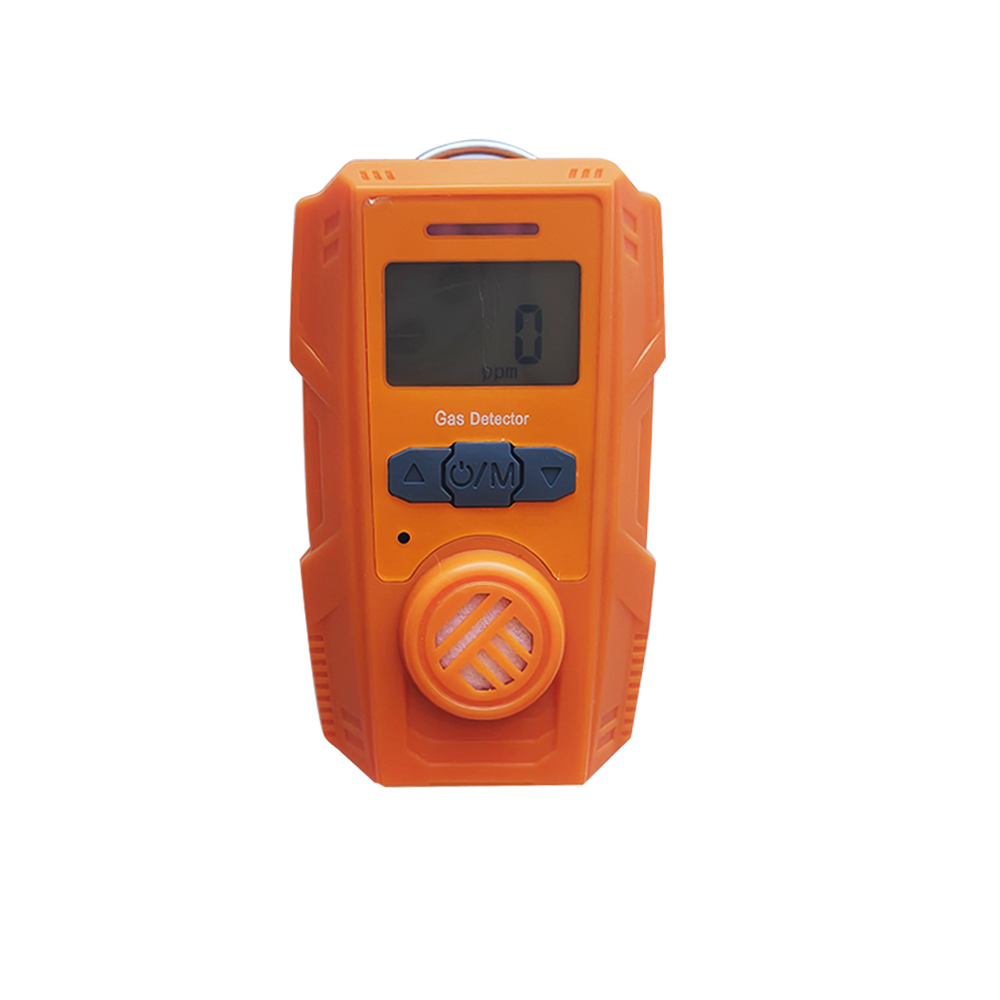
Single-Gas Portable Detectors: Equip lightweight MST101 Series detectors for specific inspection tasks (e.g., MST101-CH3OH for methanol), which are cost-effective and easy to operate.
Mobile Area Monitors: Can be temporarily deployed during maintenance operations to form a mobile monitoring zone, protecting workers.
Personal Protection Monitoring (Final Defense Line, Individual Safety Assurance)
Goal: Provide real-time personal exposure concentration monitoring for workers entering specific areas (such as storage tank zones and confined spaces).
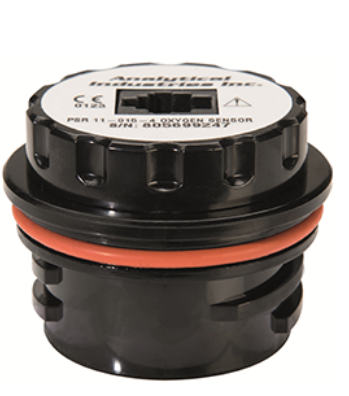
Recommended Equipment: Equip personal single-gas or multi-gas detectors. Recommended models include Honeywell XL, Malt Sensing MST410 Multi-Gas Monitor, and Senke Portable Detectors, all of which meet the needs of daily inspections. The MST410 Monitor is a proprietary brand of Malt Sensing, featuring intelligent sensor technology that allows for on-demand sensor replacement with plug-and-play functionality. It is equipped with a three-in-one alarm system (sound, light, and vibration), an LED display, Bluetooth data storage, and a fall alarm function, ensuring workers can perceive risks and evacuate in dangerous environments promptly.
Data Management and Intelligent Linkage
Centralized Monitoring Platform: All fixed detector data is connected to the Gas Detection and Monitoring System (GDS) or integrated into the factory's DCS/PLC system. The platform enables:
Real-Time Display: Concentration values and status of each monitoring point;
Hierarchical Alarm: Set three-level thresholds ("Low Alarm, Medium Alarm, High Alarm") to trigger different emergency procedures;
Historical Data Tracing and Analysis: Generate reports, analyze leak trends, and optimize maintenance cycles.
Intelligent Linkage:
Alarm signals can automatically interlock and activate emergency ventilation systems;
Combine with flame/smoke detector signals to provide a more comprehensive risk assessment;
High-concentration alarms can link with regional audible and visual alarms and notify relevant personnel.
Services and Support
Customized Solution Design: Provide the most cost-effective equipment configuration list based on factory layout, process flow, and budget;
Installation, Calibration, and Training: Offer standardized installation services, regular sensor calibration, and comprehensive operation and maintenance training;
Continuous Operation and Maintenance Support: Provide spare parts, rapid response maintenance, and system upgrade services.
 Hot News
 EN
EN
 CH
CH AR
AR BG
BG DA
DA NL
NL FR
FR DE
DE EL
EL HI
HI IT
IT JA
JA KO
KO PL
PL PT
PT RO
RO RU
RU ES
ES SV
SV TL
TL IW
IW ID
ID LV
LV UK
UK VI
VI TH
TH TR
TR FA
FA MS
MS SW
SW GA
GA BE
BE UR
UR BN
BN MY
MY SI
SI KU
KU