01 Policy Intensification: Methane Emission Reduction Enters the Era of "Strong Supervision"
As a potent greenhouse gas with a greenhouse effect 25 times that of carbon dioxide, methane emission reduction has become a key focus of global climate governance. Domestic policies are being tightened layer by layer:
11 ministries and commissions including the Ministry of Ecology and Environment jointly issued the "Action Plan for Methane Emission Control", clarifying the emission reduction roadmap for the "14th Five-Year Plan" and "15th Five-Year Plan" periods, requiring the establishment and improvement of the Monitoring, Reporting and Verification (MRV) system, and promoting the standardized application of Leak Detection and Repair (LDAR) technology;
In the "Technical Guidelines for Leak Detection and Repair of Industrial VOCs" implemented in 2022, the LDAR operation specifications have been extended to the governance of high-risk gases such as methane;
Many regions have launched pilot projects for "quantitative accounting + automatic reporting" of methane emissions, and the implementation of a unified national regulatory standard is imminent. The transformation of enterprise emission reduction from "voluntary" to "mandatory" has become an established fact.
02 Enterprise Layout: Early Action = Less Risk + Lower Cost
For enterprises, methane emission reduction is not an "additional burden", but a practical choice to avoid risks and save costs:
Avoid compliance risks: The "Air Pollution Prevention and Control Law" clearly stipulates that non-compliant methane emissions will face fines of millions of yuan, and may also affect key business links such as project approval and green credit applications;
Reduce transformation costs: Proactively adapt to policy requirements such as "quantitative accounting + automatic reporting" and "LDAR standardization" to avoid passive rectification after policy implementation, and significantly reduce additional expenditures on equipment replacement and process adjustment;
Undertake social responsibility: Taking the initiative to participate in methane emission reduction is not only a response to the national "dual carbon" call, but also an important measure for enterprises to enhance their brand image and market competitiveness.
03 Solution: MaiYa Sensor Helps Efficient Emission Reduction
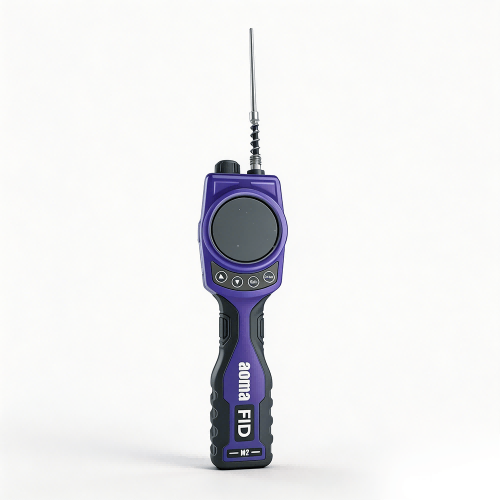
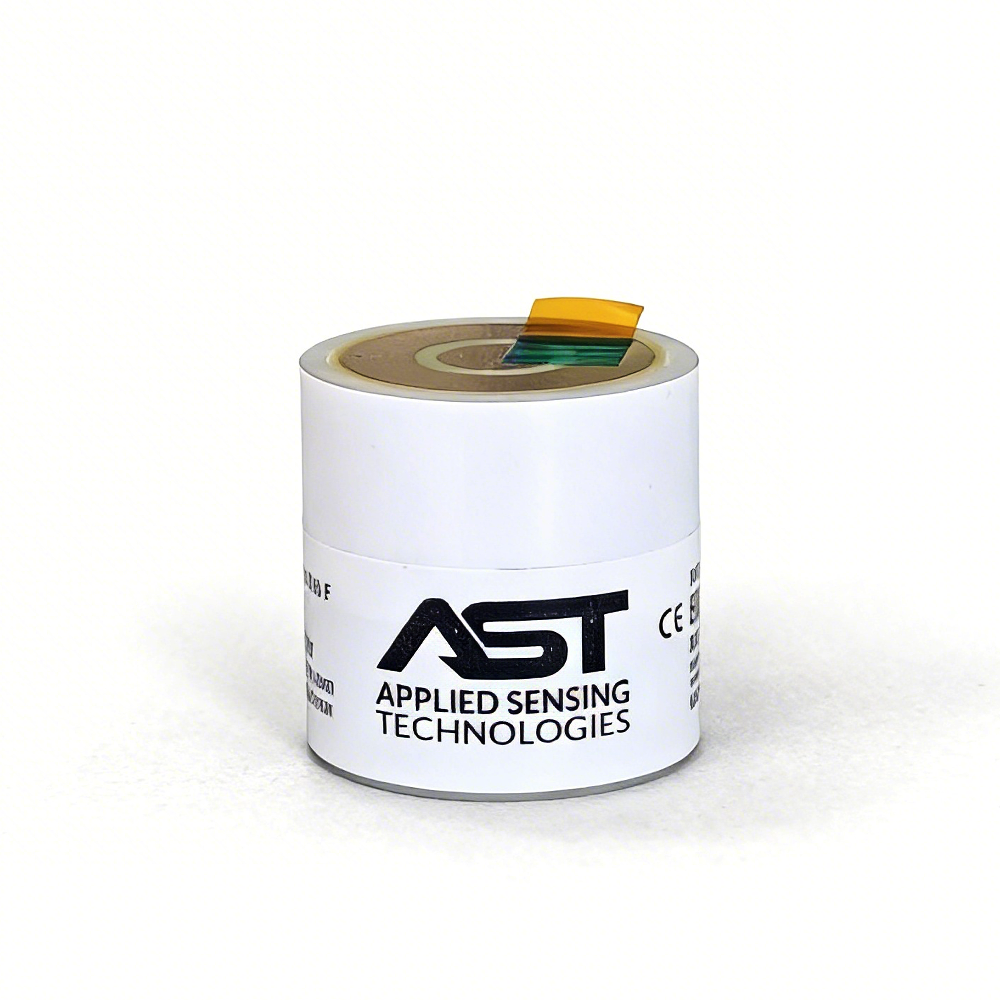
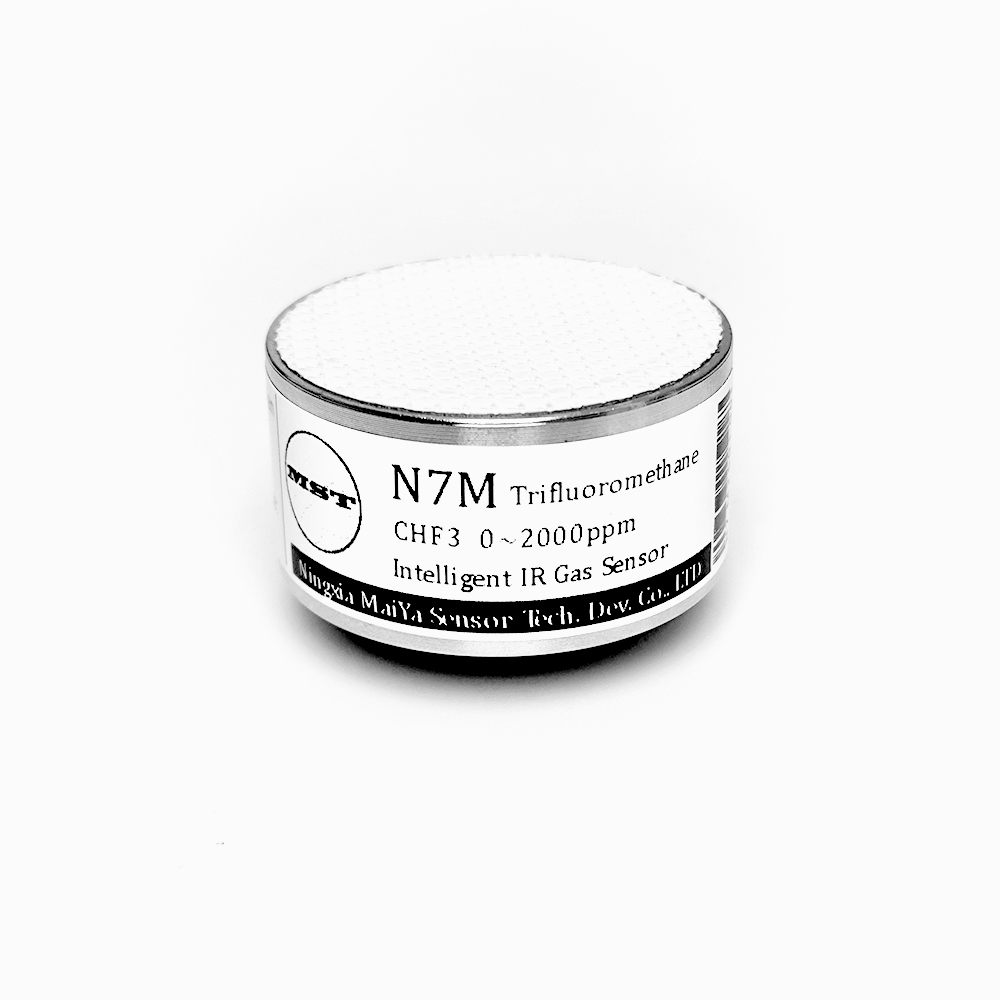
Facing the compliance requirements and technical challenges of methane emission reduction, the newly launched laser methane sensor under MaiYa Sensor provides enterprises with a one-stop solution with strong capabilities:
Accurate Monitoring without Interference: Adopting TDLAS technology, it has unique selectivity for methane and is not interfered by other gases, water vapor or dust. The measurement range covers 0–100%VOL, with a resolution of 0.01%VOL and an error as low as ±0.03%VOL (0–1%) or ±5% of true value (1%–100%).
Stable, Reliable and Long Service Life: No frequent calibration is required, maintaining high stability during long-term use. The sensor service life is >5 years, and the protection level reaches IP65, suitable for various harsh environments.
Rapid Response and Flexible Output: Response time ≤20 seconds, supporting dual output modes of TTL serial port and 0.4V–2V analog signal, facilitating system integration and data reading.
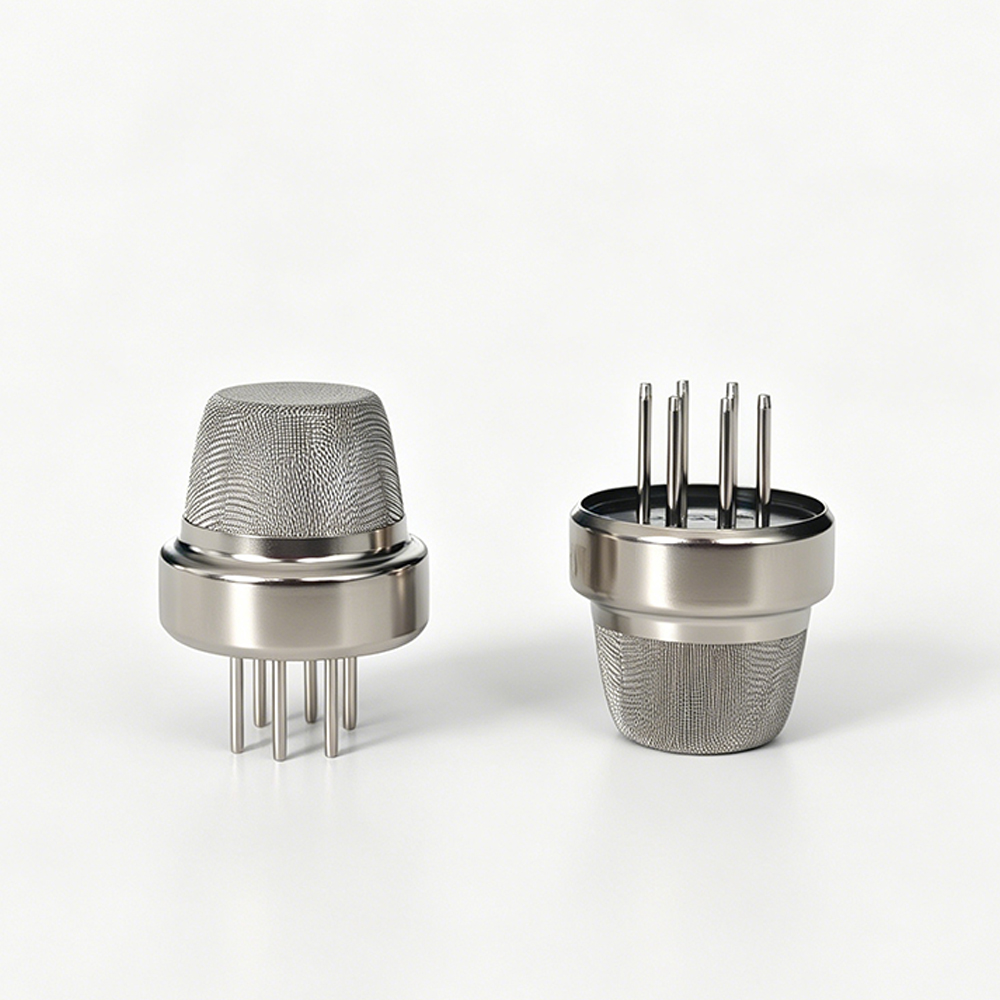
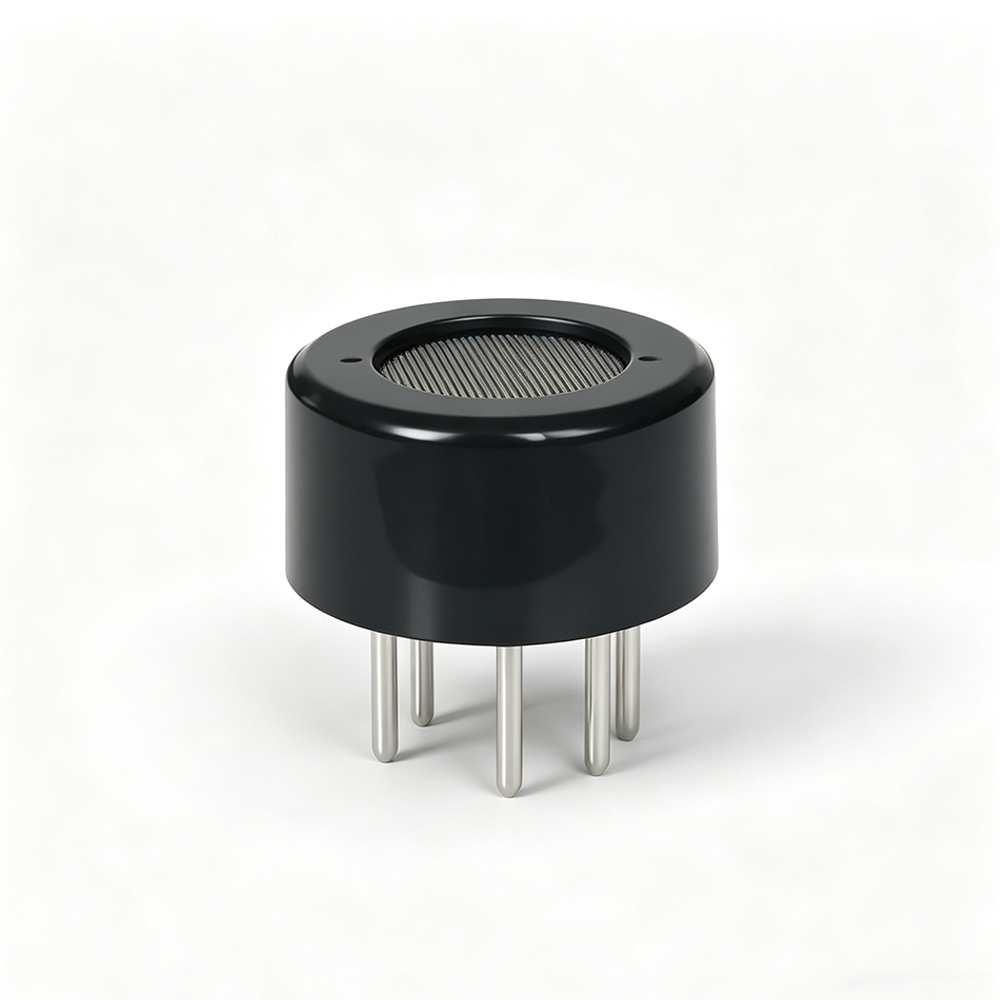
Compact Structure and Wide Application: With a size of only Φ20mm × 16.6mm, it adopts a 304 stainless steel shell, which is shockproof, dustproof and waterproof, suitable for various fixed and mobile detection scenarios.
MaiYa Sensor has profound technical accumulation in the field of gas detection. With professional-grade quality, it builds a solid line of defense for methane leak governance in industrial scenarios, allowing enterprises to take fewer detours and achieve efficient compliance in emission reduction!
 Hot News
 EN
EN
 CH
CH AR
AR BG
BG DA
DA NL
NL FR
FR DE
DE EL
EL HI
HI IT
IT JA
JA KO
KO PL
PL PT
PT RO
RO RU
RU ES
ES SV
SV TL
TL IW
IW ID
ID LV
LV UK
UK VI
VI TH
TH TR
TR FA
FA MS
MS SW
SW GA
GA BE
BE UR
UR BN
BN MY
MY SI
SI KU
KU