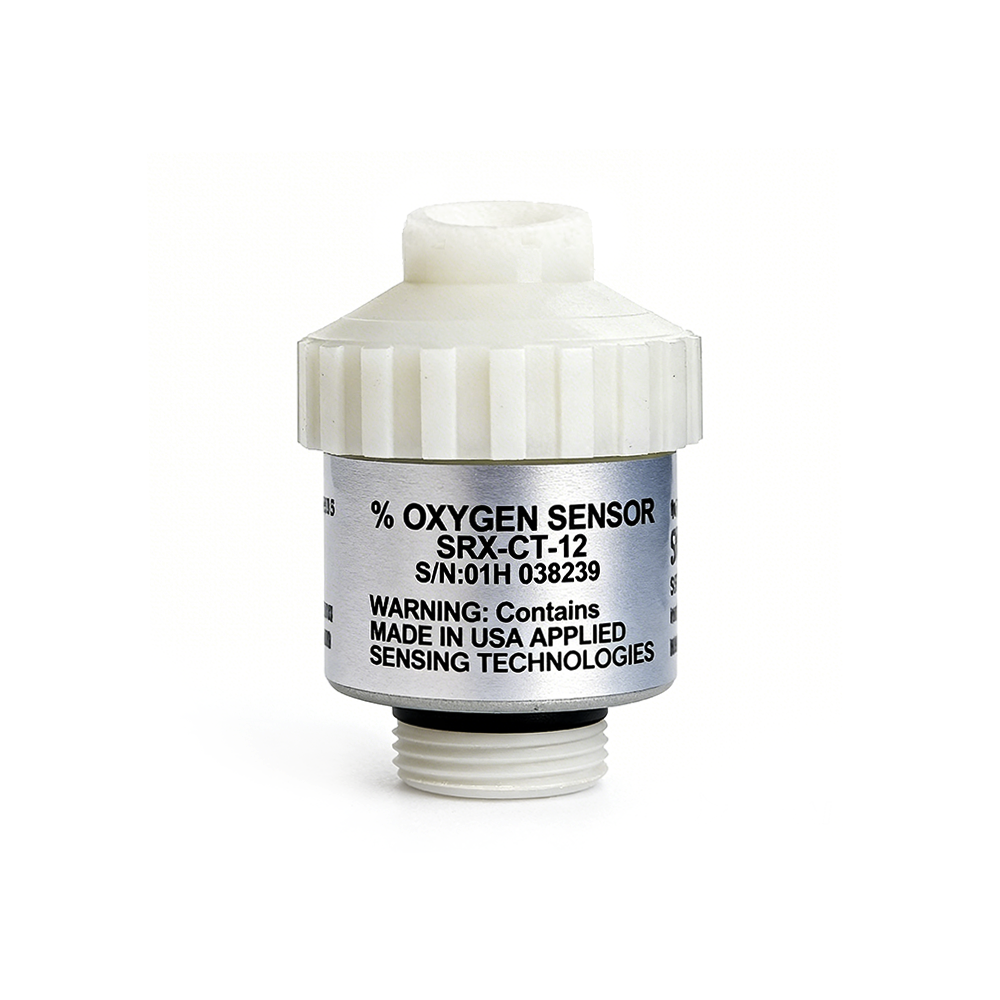
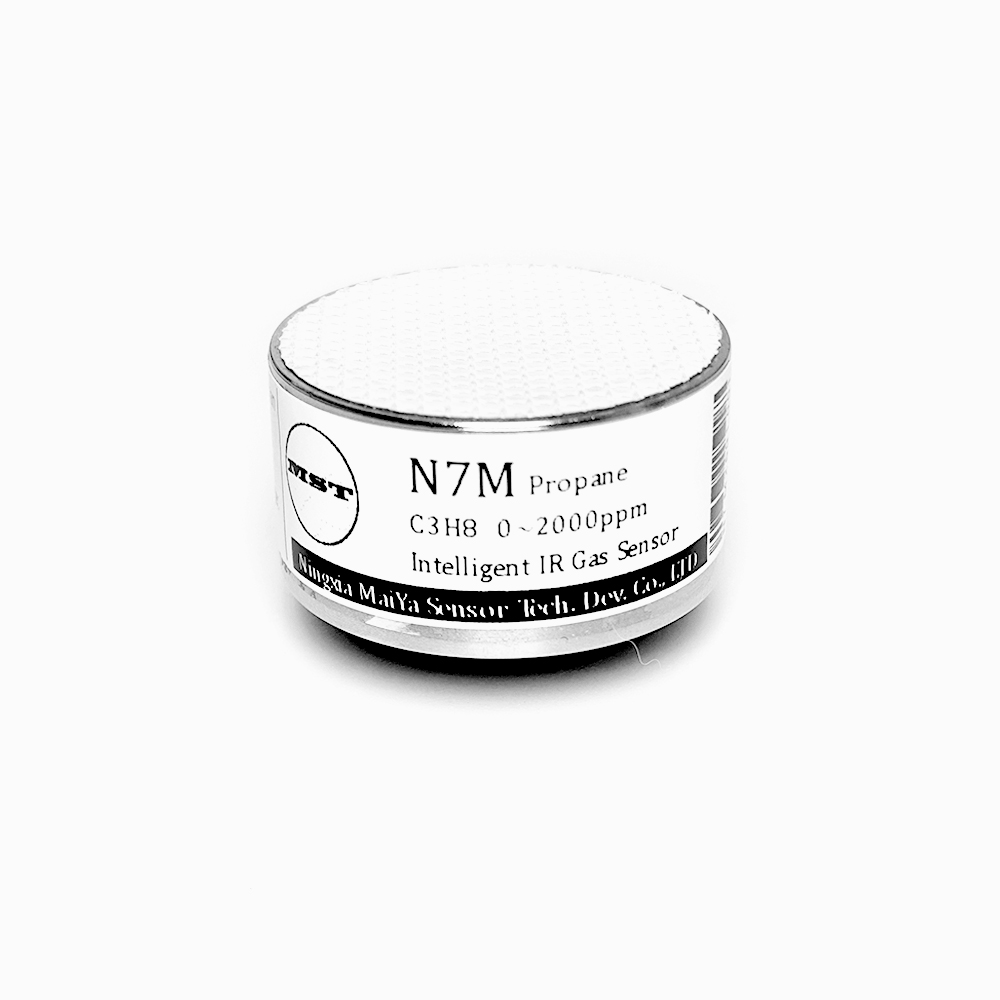
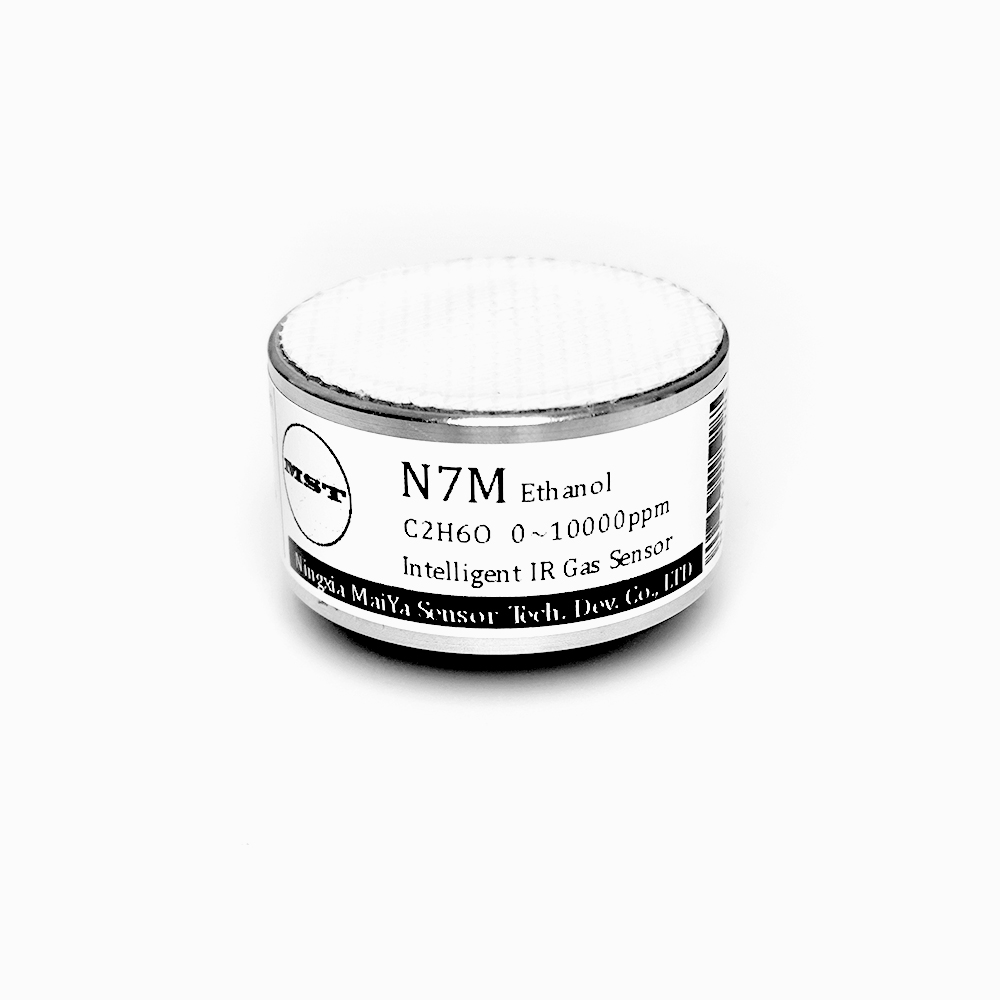
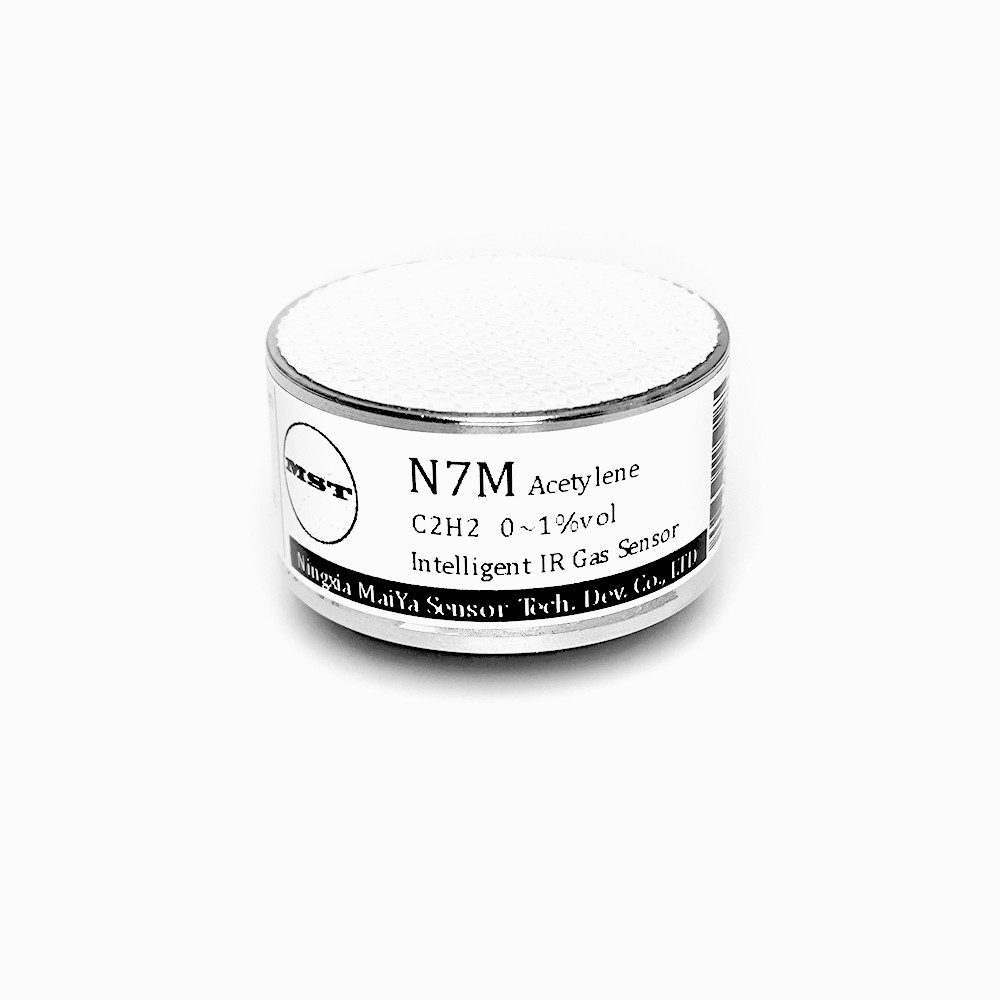
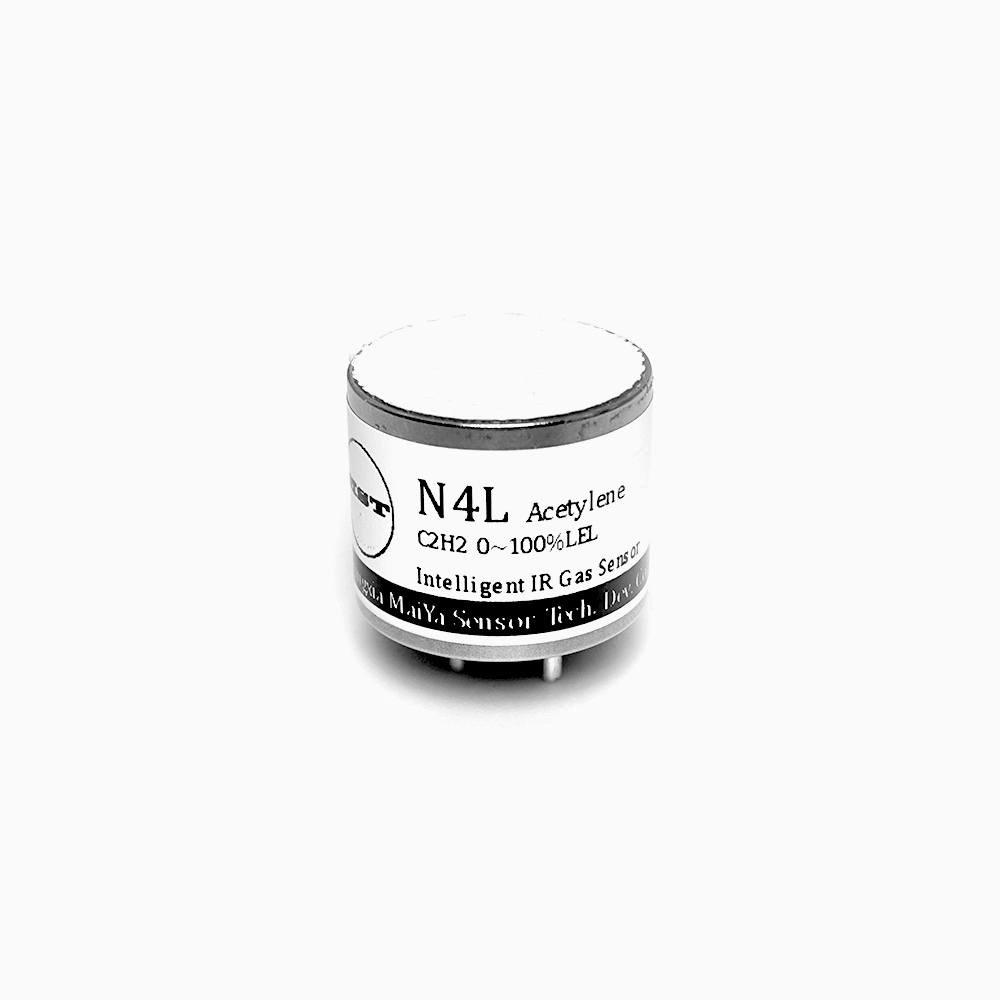
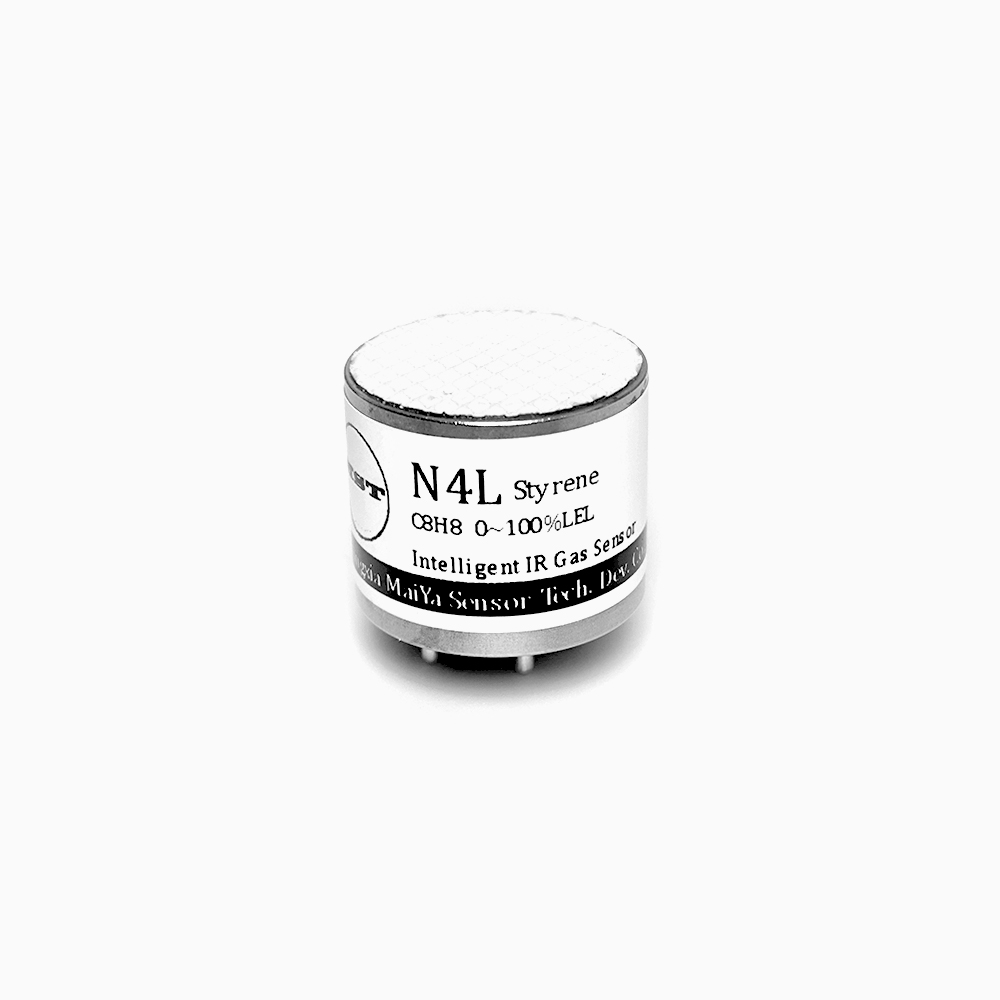
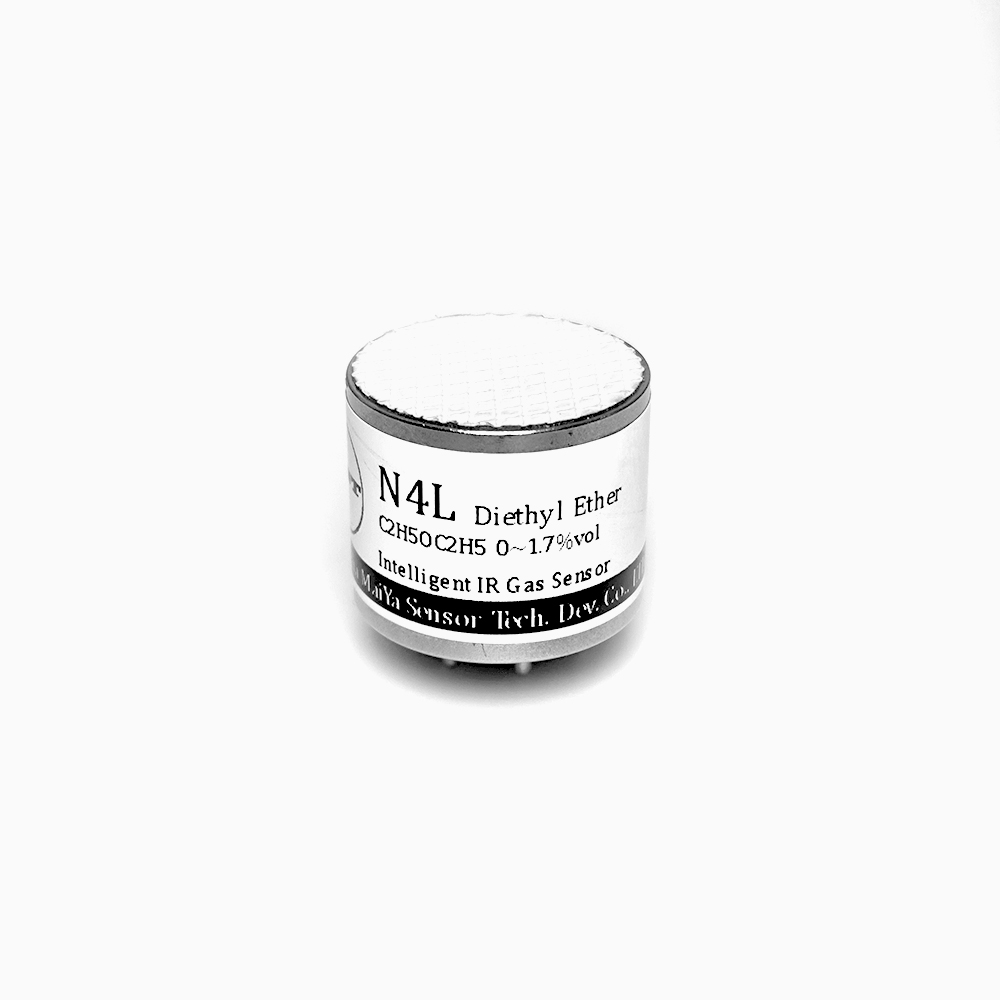
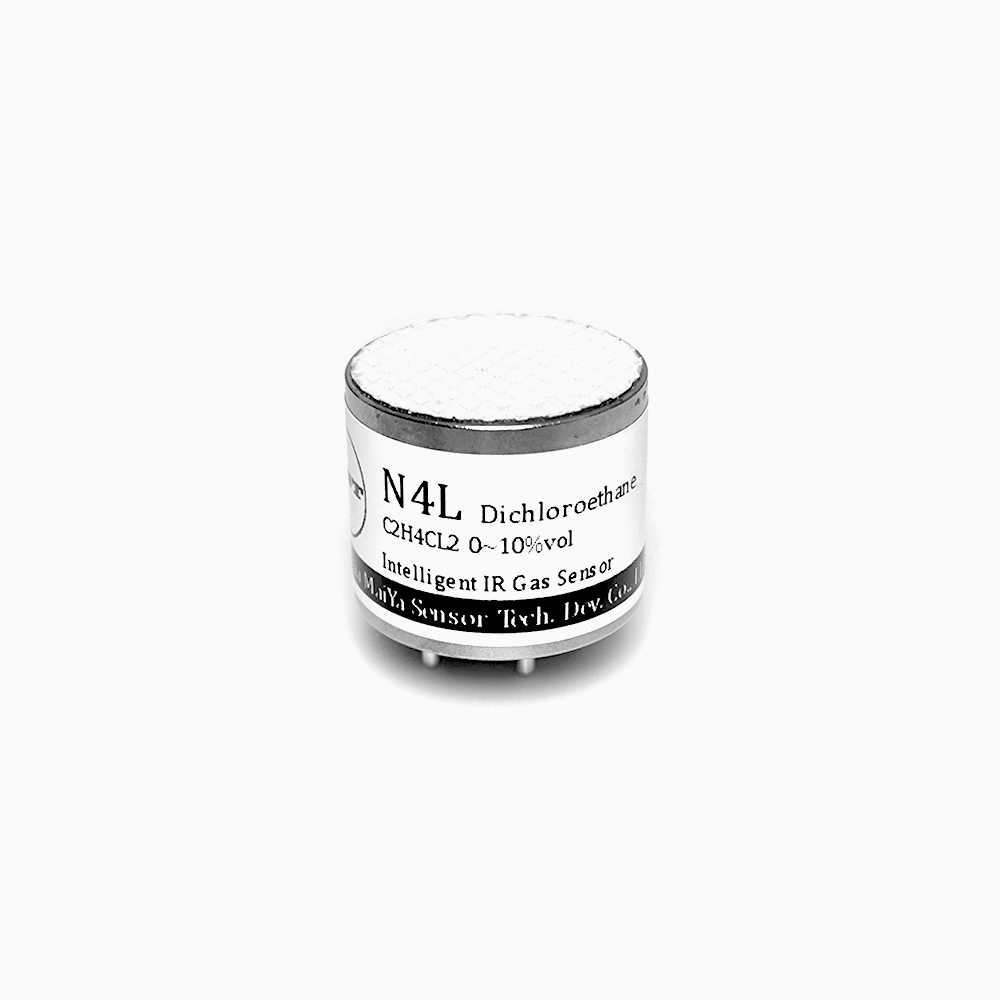
01
Technological Innovation: NDIR Technology Outperforms Traditional Catalytic Combustion Sensors
For a long time, industrial combustible gas detection has relied heavily on traditional catalytic combustion sensors, which suffer from three major industry pain points:
Prone to poisoning and failure by substances such as silicon and sulfur, leading to rapid degradation of detection accuracy
Frequent false alarms that disrupt production efficiency
High power consumption resulting in short battery life for portable devices
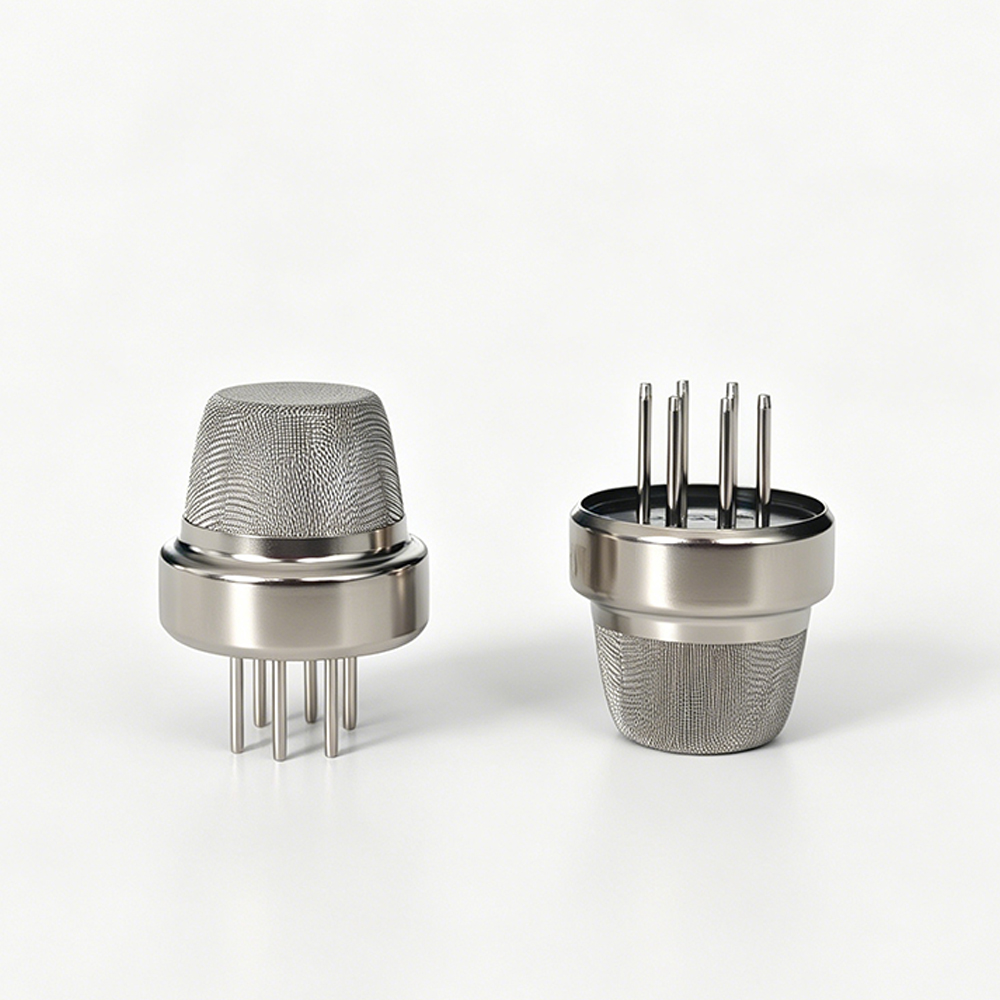
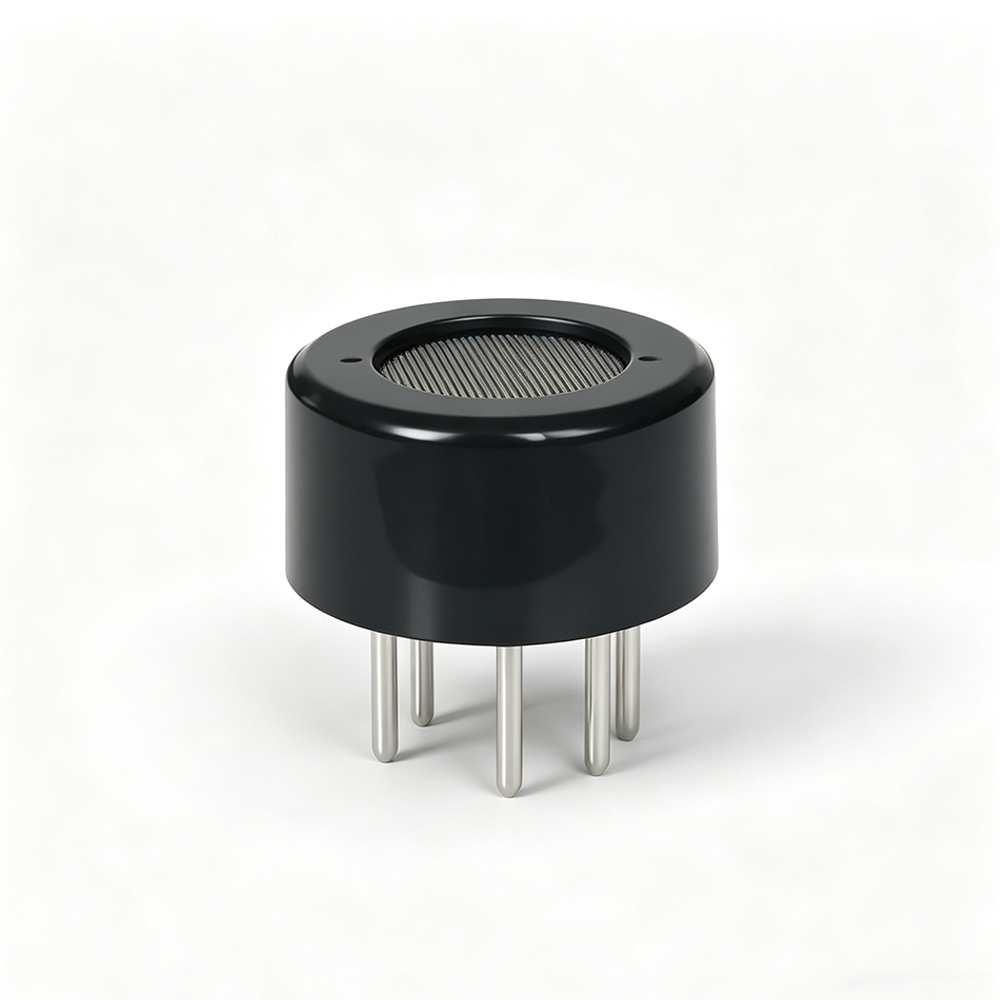
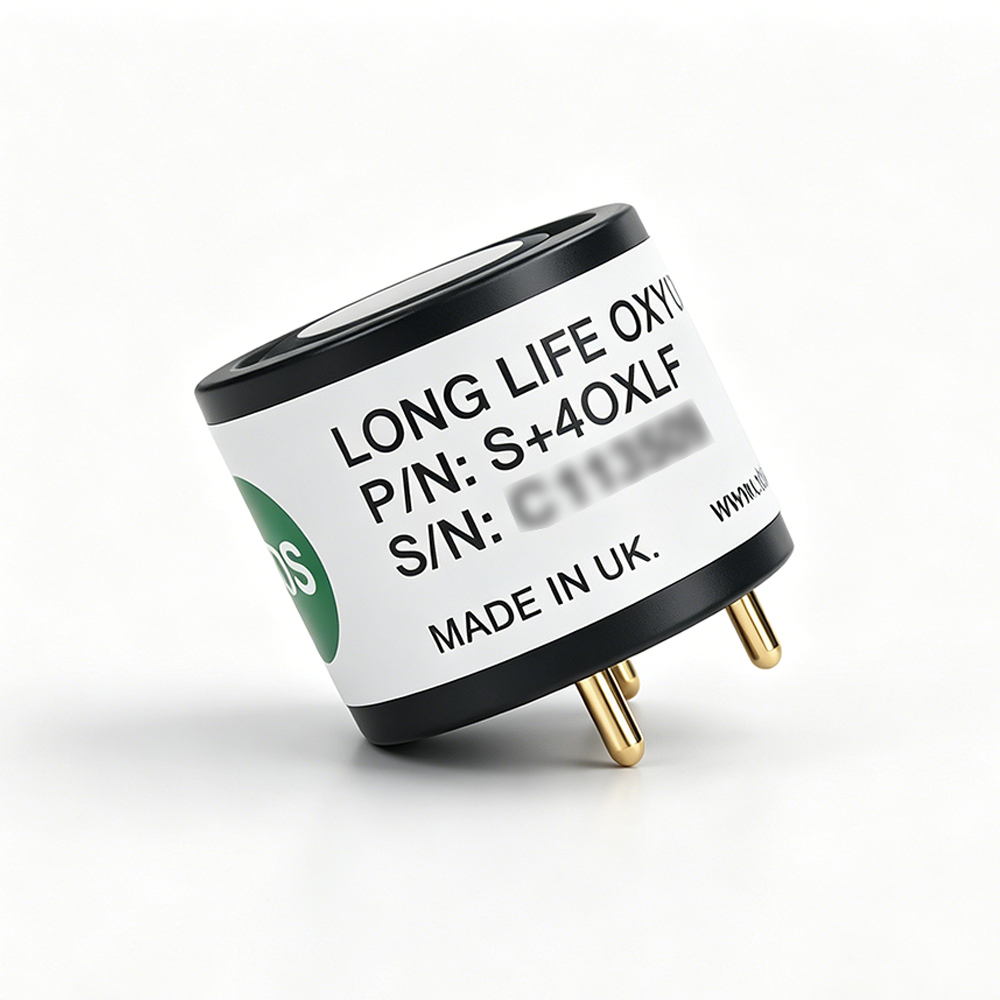
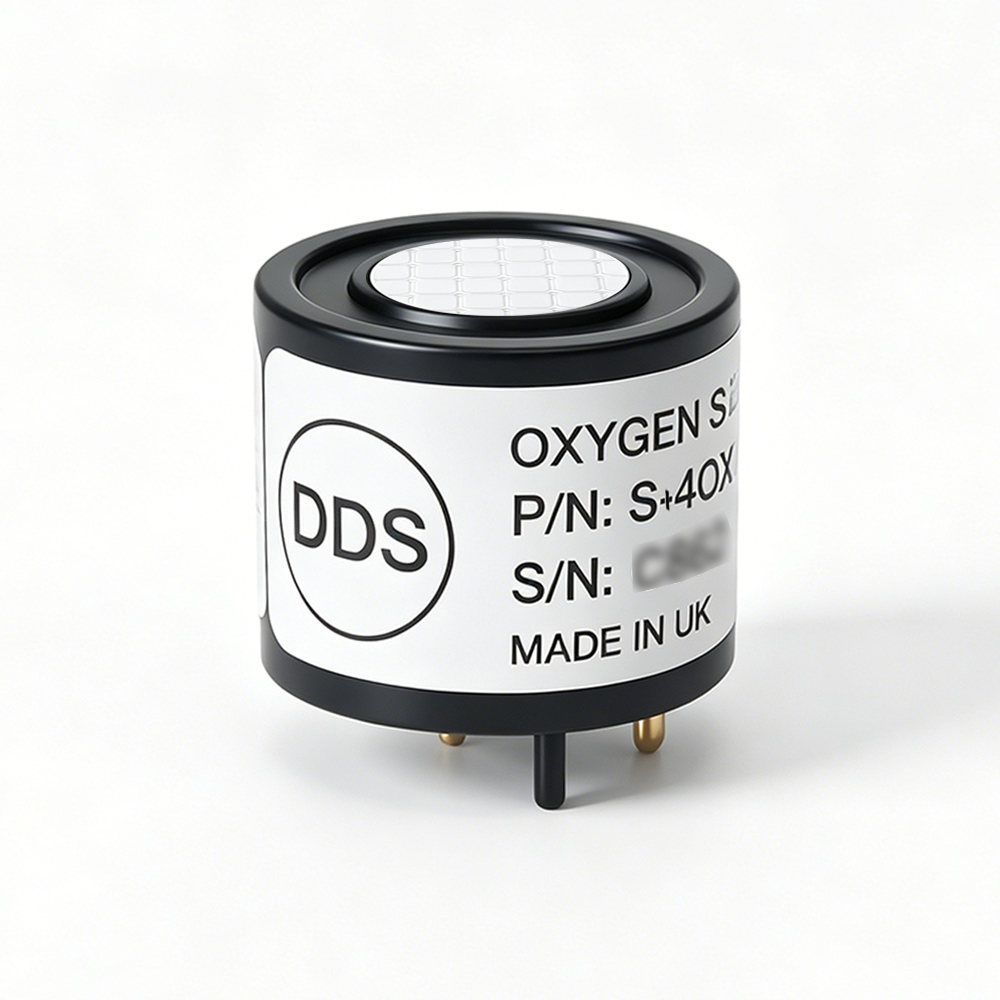
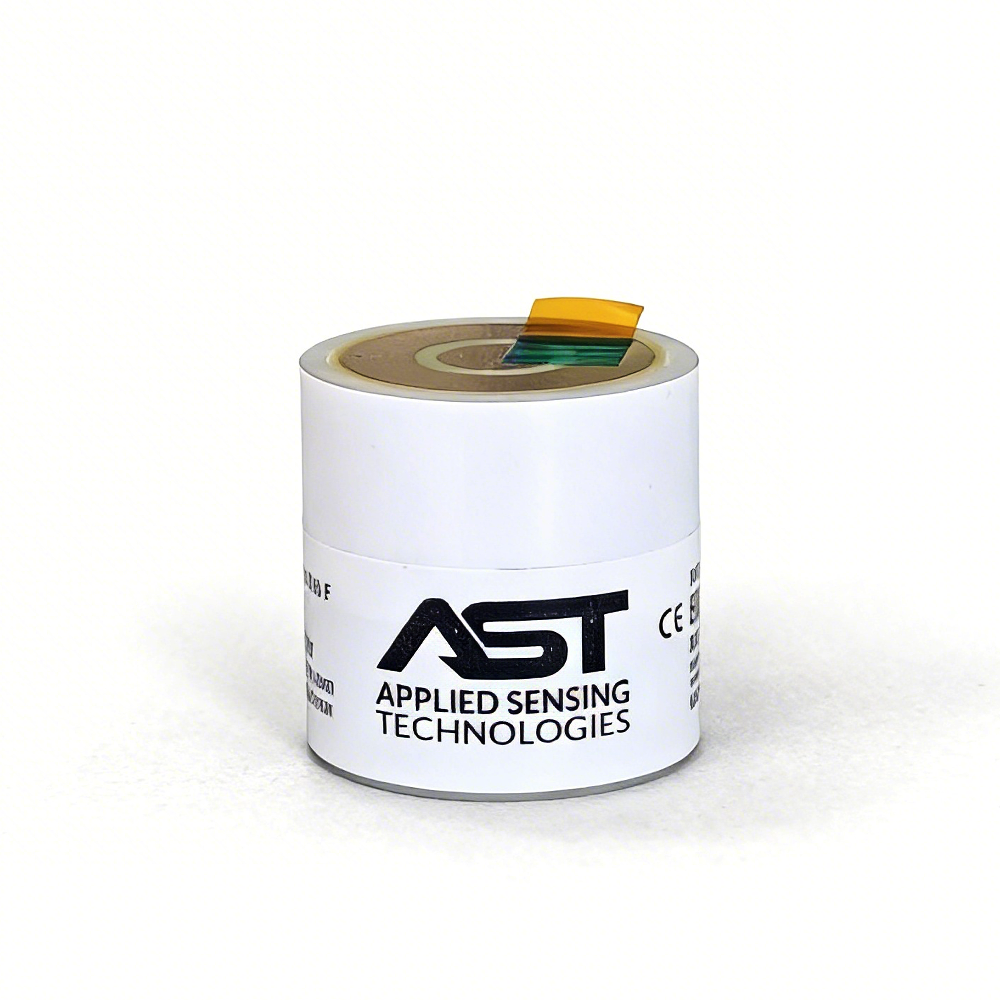
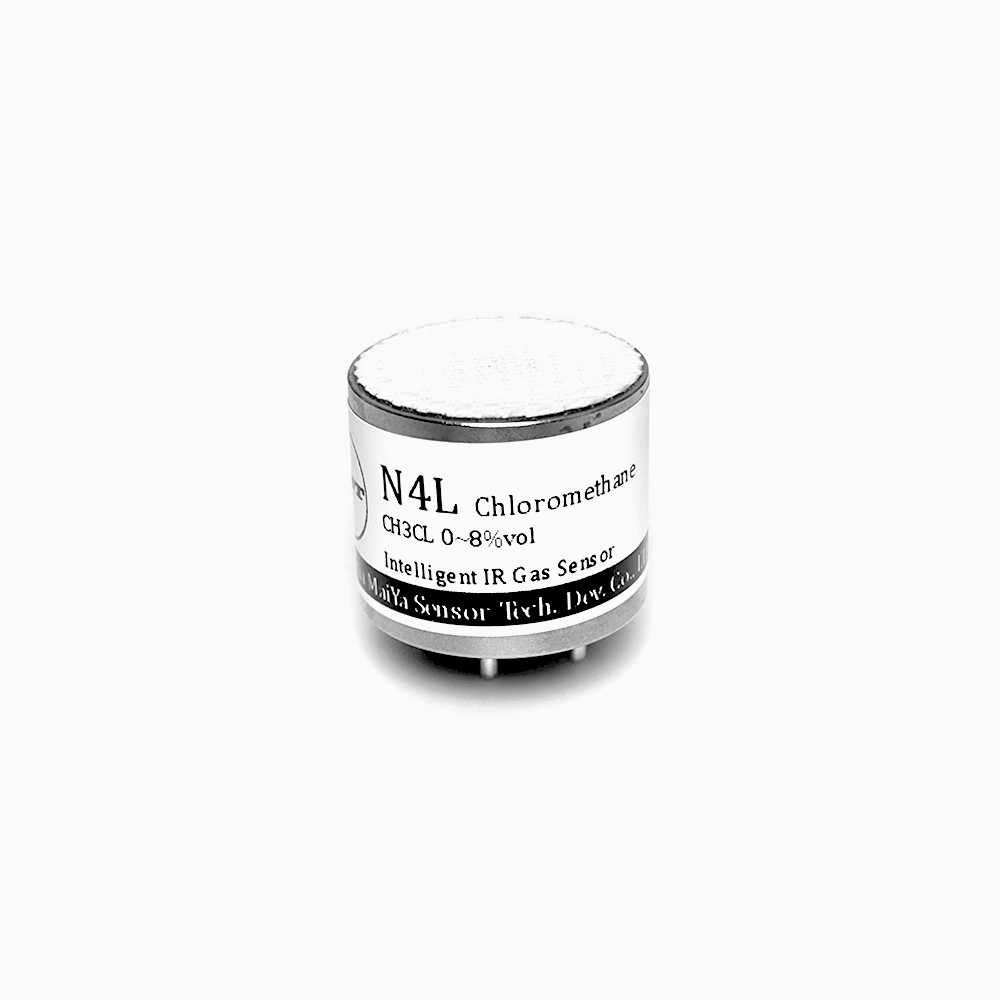
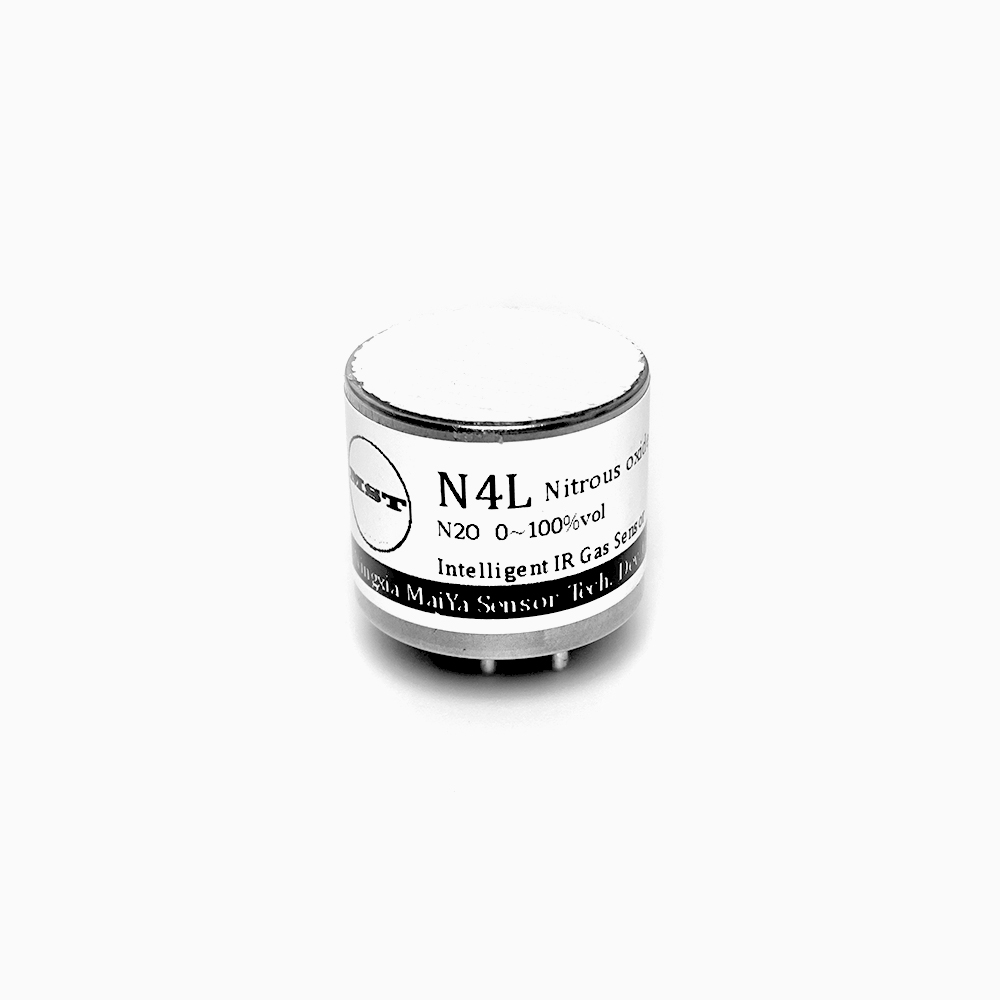
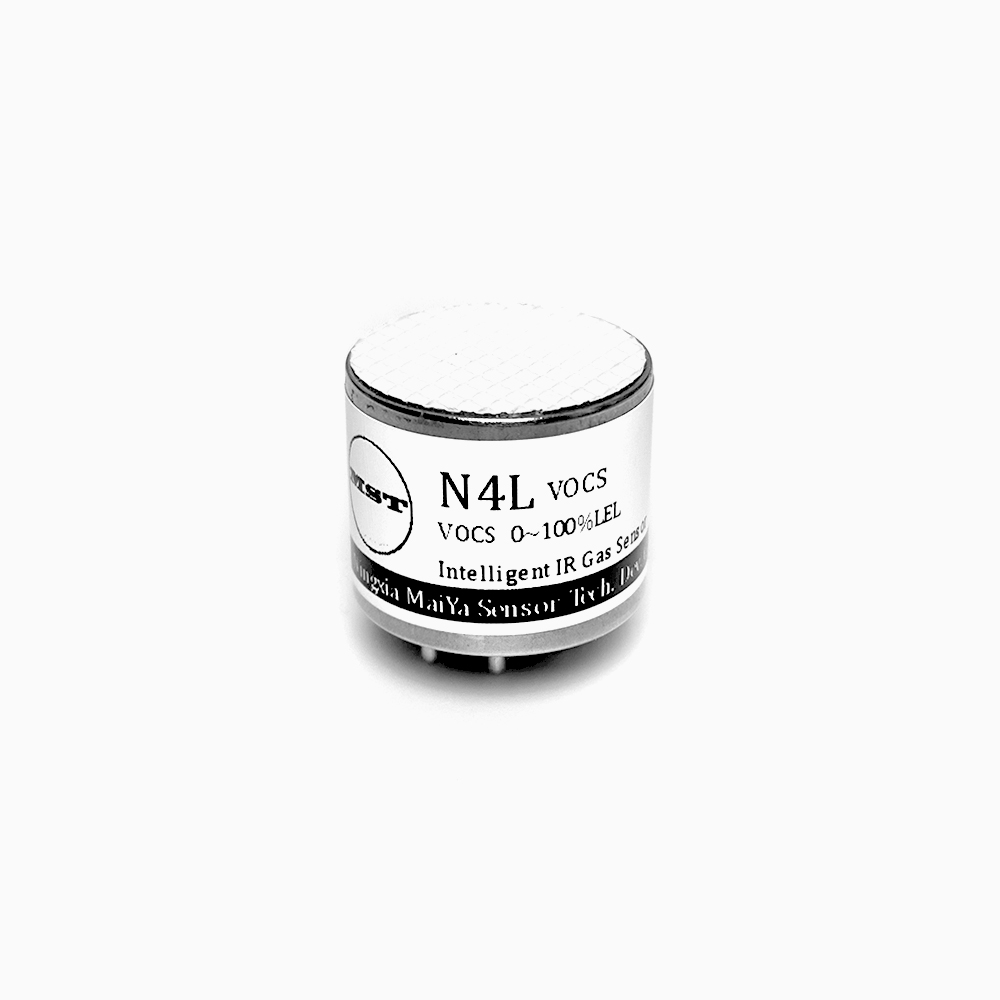
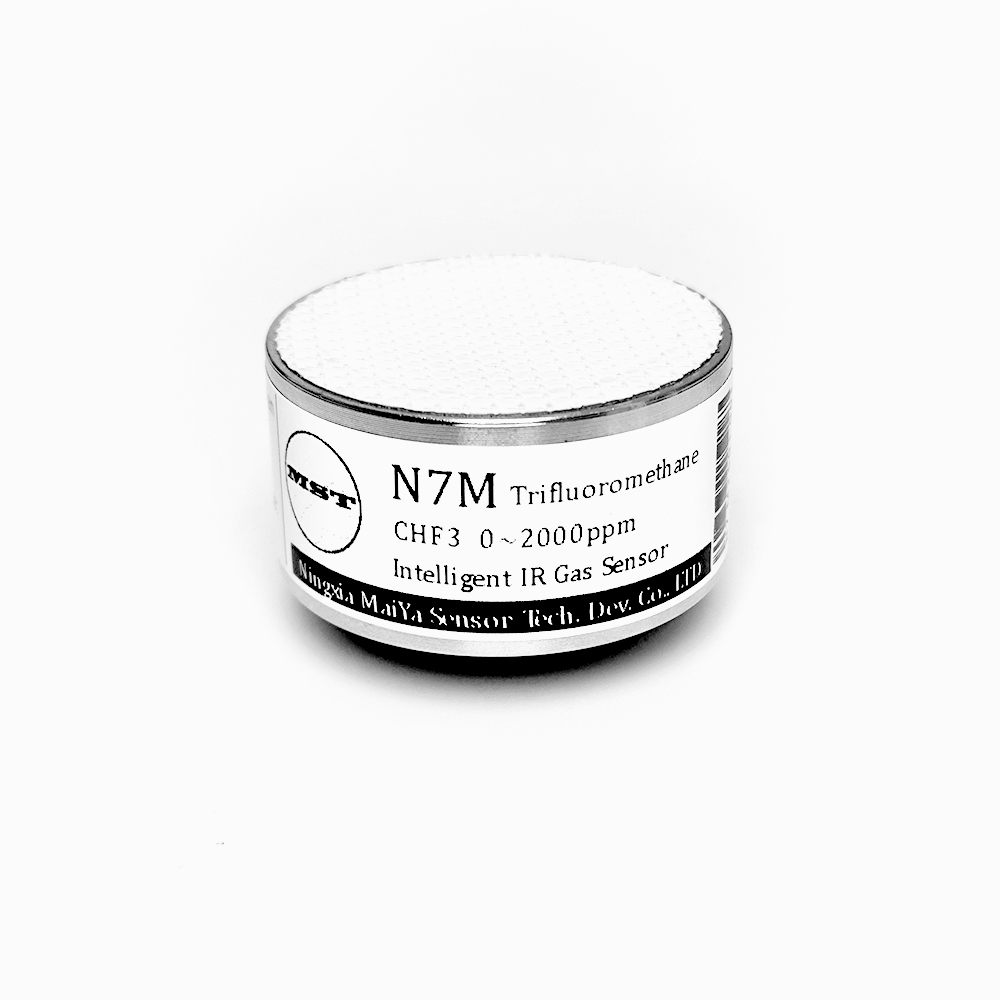
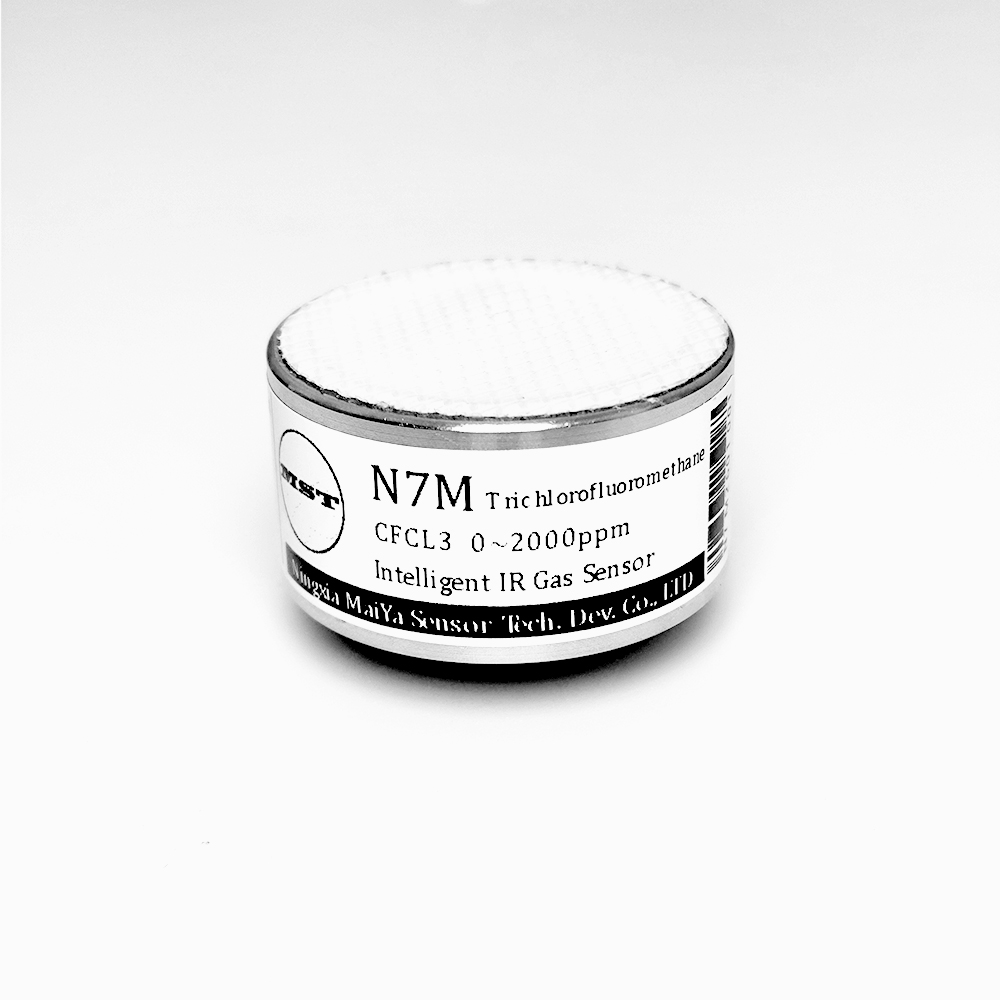
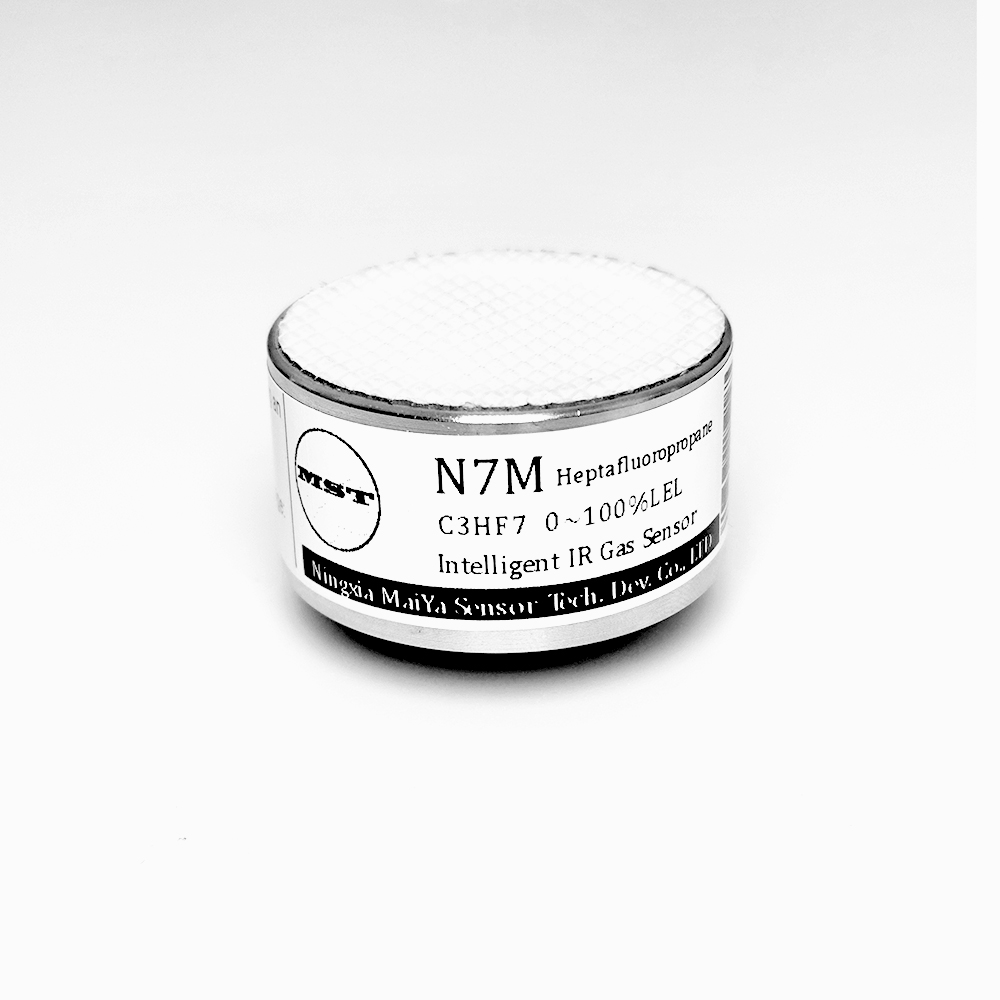
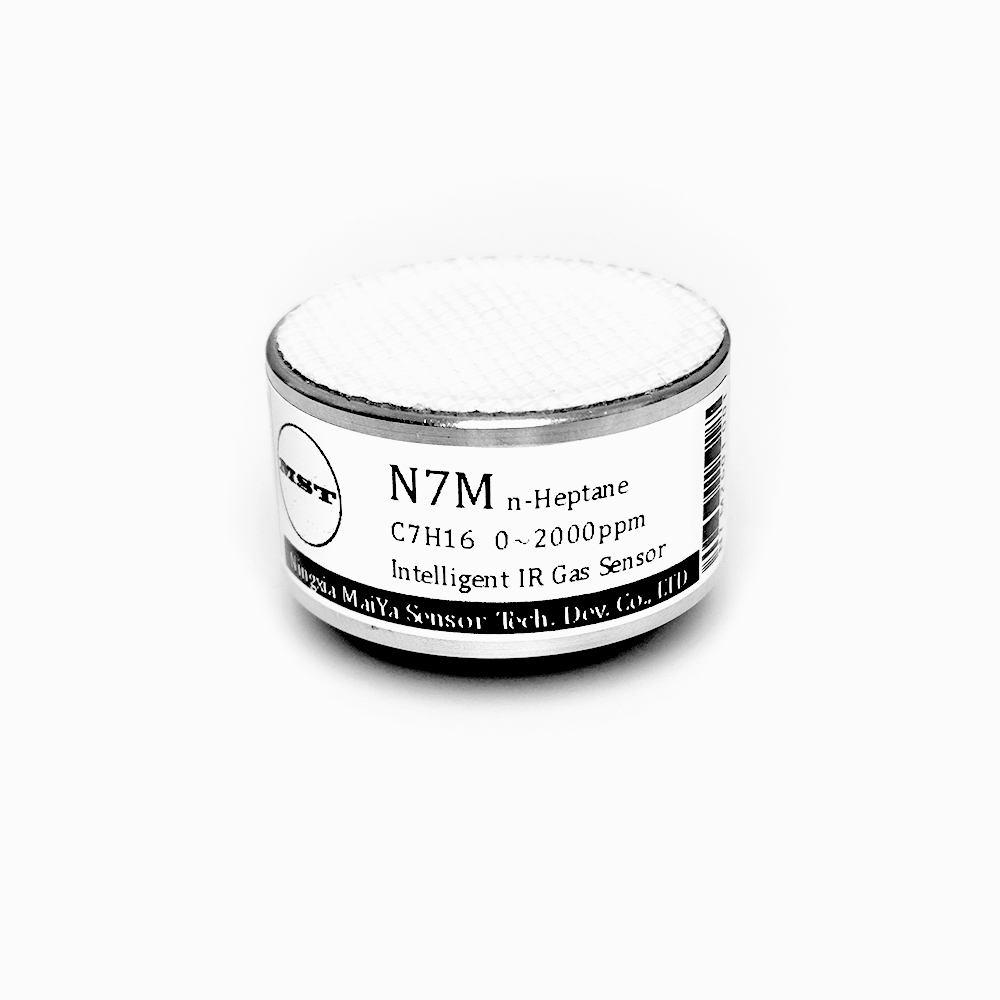
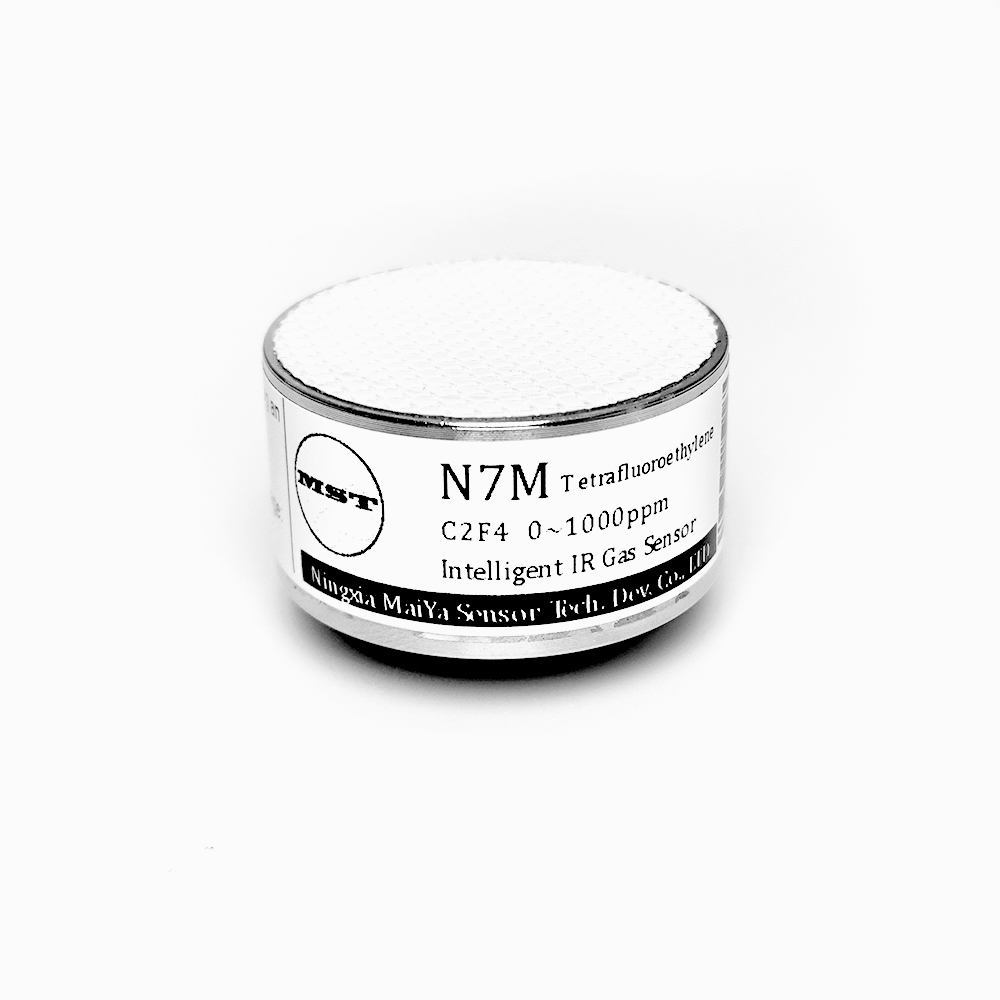
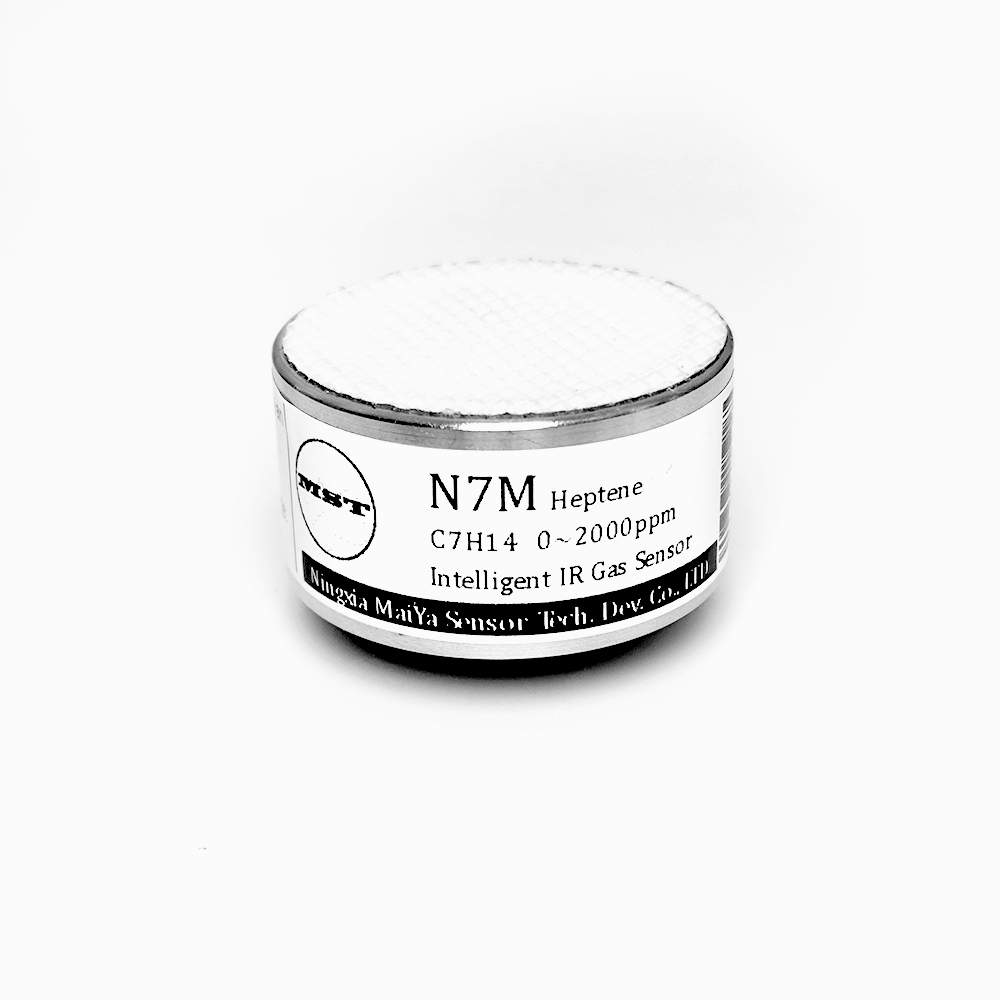
Honeywell's newly released NDIR infrared sensors address these issues at their technological root:
✅ Superior Poisoning Resistance: Unaffected by common industrial toxins such as silane and hydrogen sulfide, preventing sudden sensor failure
✅ Extremely Low False Alarm Rate: Infrared spectroscopy provides specific identification of combustible hydrocarbons, eliminating interference from other gases
✅ Ultra-Low Power Design: Significantly reduces power consumption compared to traditional sensors, dramatically extending battery life for portable detectors while increasing the sensor's own service life
02
Built for Harsh Conditions: Stable Performance Even in the Toughest Industrial Environments
The complex operating conditions of industrial sites are the ultimate test of sensor performance — dusty mines, high-humidity confined spaces in refineries, and extreme temperature fluctuations in field operations can cause ordinary sensors to malfunction.
Honeywell 4 Series NDIR sensors have been fully optimized for extreme working conditions from the design stage:
Integrated exclusive condensation suppression system that automatically removes excess moisture, maintaining stable detection even in high-humidity environments and confined spaces
Full industrial-grade durability design, resistant to dust, vibration, and a wide temperature range from -40°C to 70°C
Eliminates the need for frequent calibration, significantly reducing on-site maintenance workload and costs
03
Full Scenario Adaptability: Compatible with Both Fixed and Portable Devices
Featuring a standardized modular design, these sensors can be seamlessly integrated into various industrial gas detection equipment:
Compatible with fixed gas alarm systems: Deployed in fixed locations such as factory workshops, oil and gas pipelines, and storage tank areas for 24/7 uninterrupted monitoring
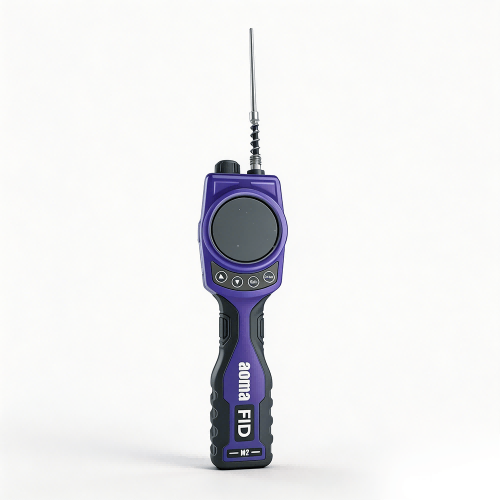
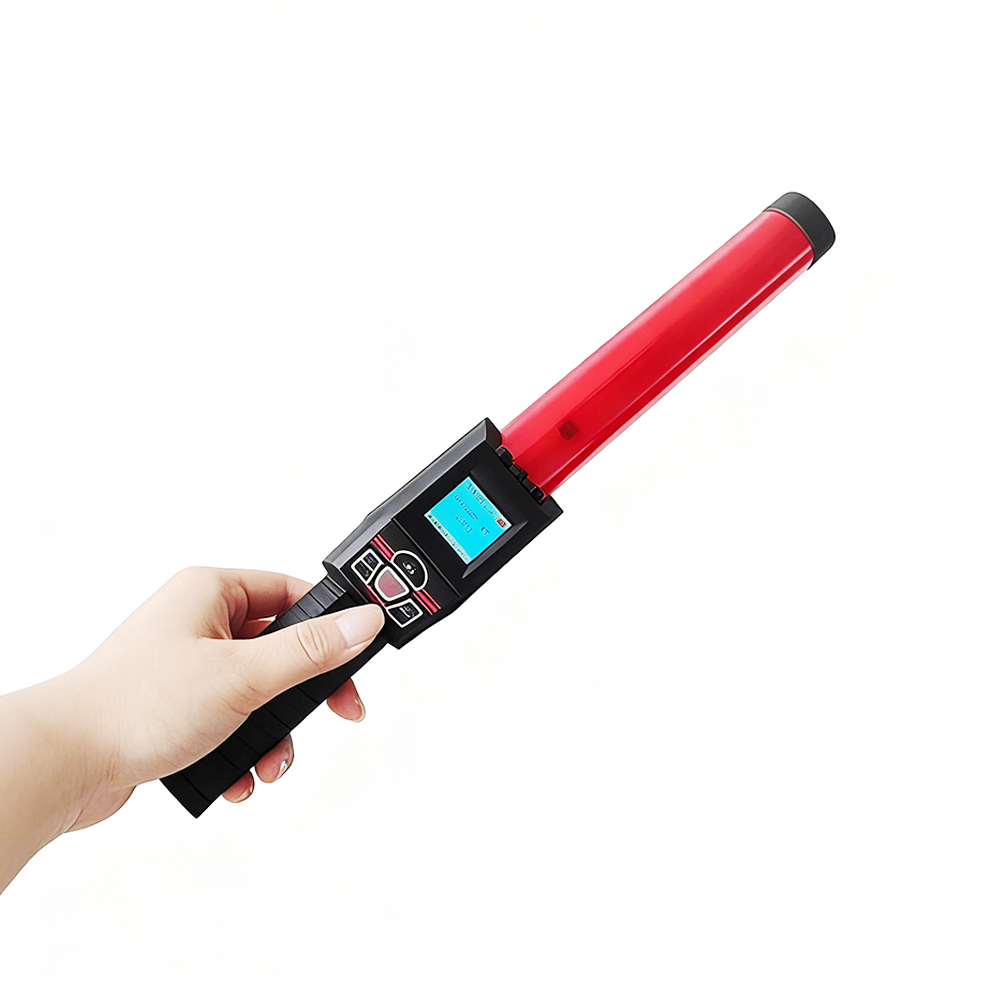
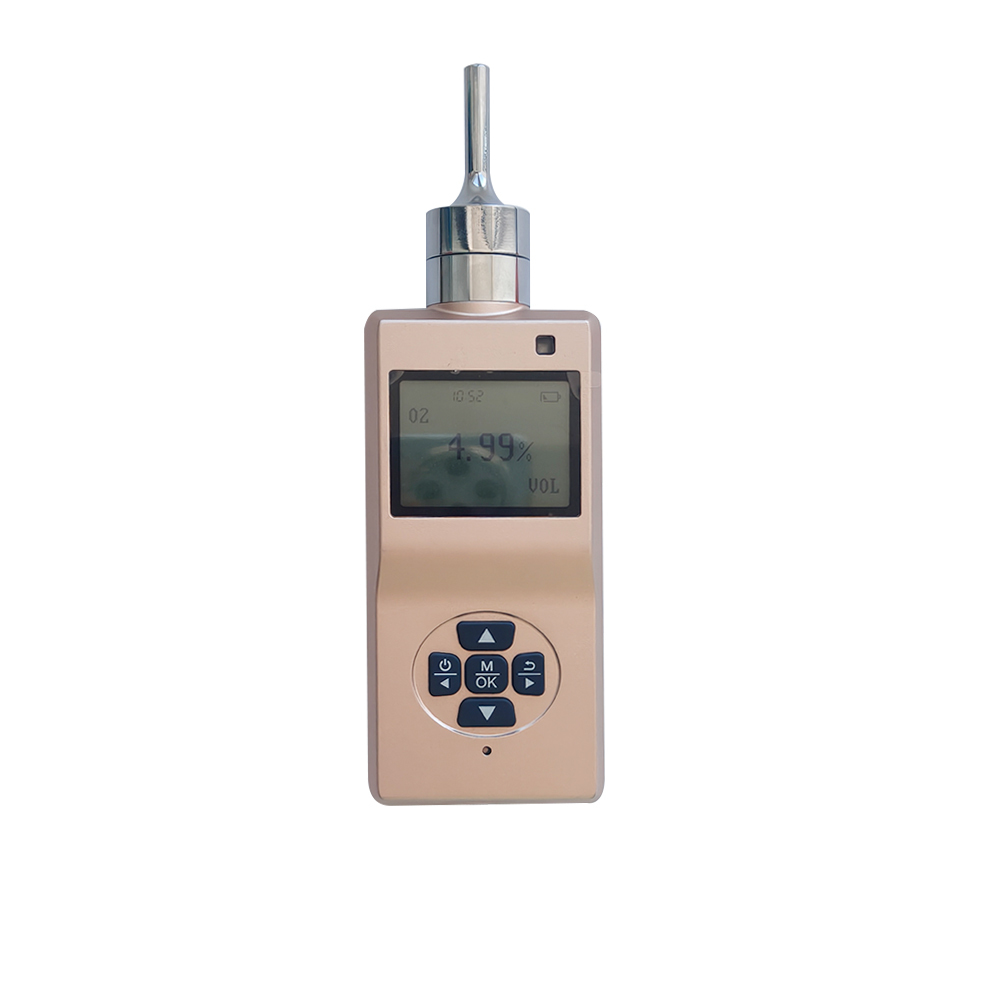
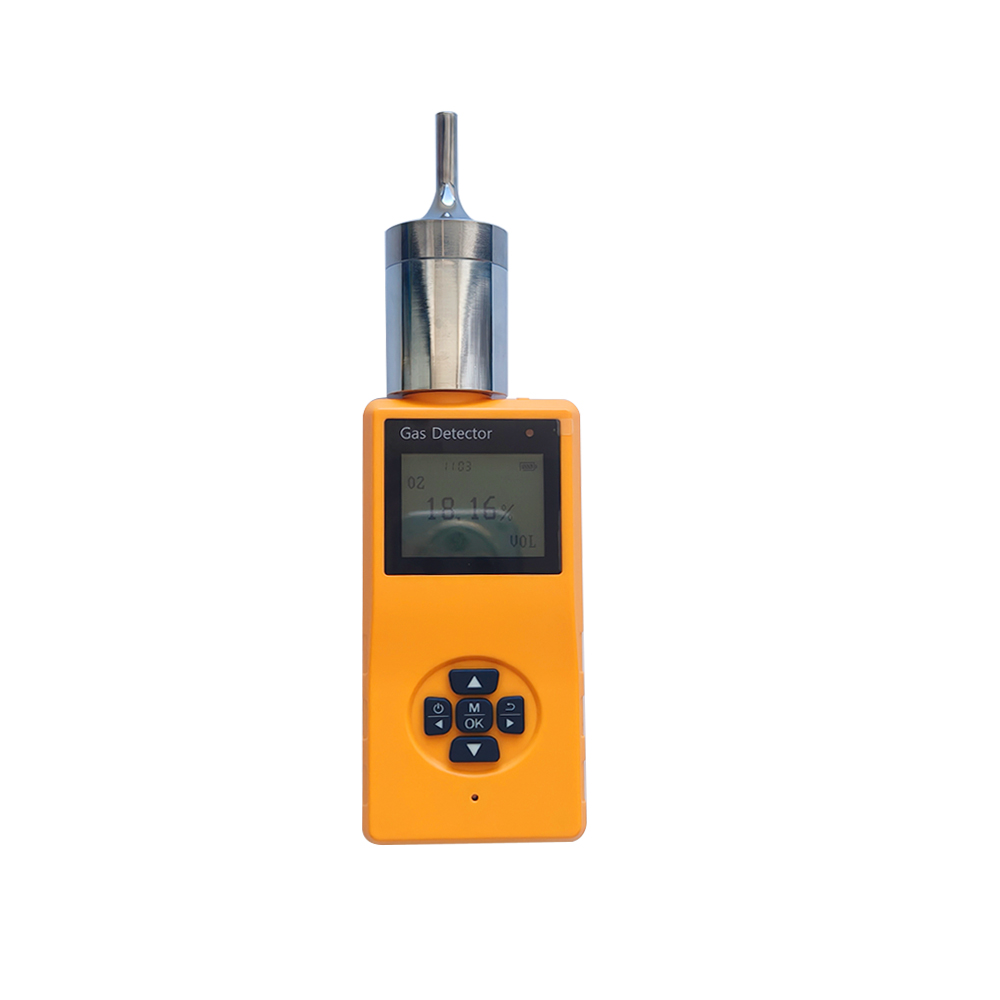
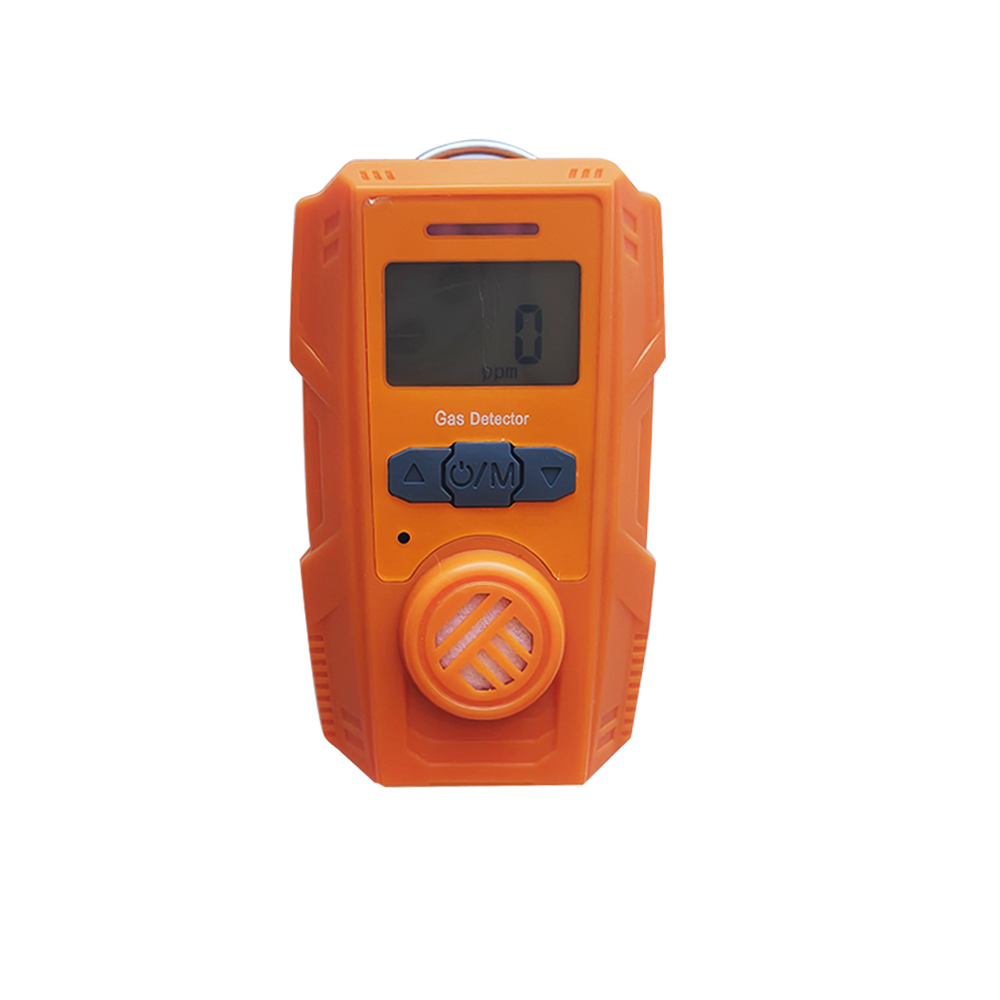
Compatible with portable gas detectors: Carried by personnel for field operations, underground inspections, and equipment maintenance to provide real-time warning of hazardous gas leaks
Covers all core industries: Mining, oil and gas extraction and refining, plastics manufacturing, chemical production, warehousing and logistics, and all other scenarios with combustible hydrocarbon gas risks
 Hot News
 EN
EN
 CH
CH AR
AR BG
BG DA
DA NL
NL FR
FR DE
DE EL
EL HI
HI IT
IT JA
JA KO
KO PL
PL PT
PT RO
RO RU
RU ES
ES SV
SV TL
TL IW
IW ID
ID LV
LV UK
UK VI
VI TH
TH TR
TR FA
FA MS
MS SW
SW GA
GA BE
BE UR
UR BN
BN MY
MY SI
SI KU
KU