01Global Warming Forces Regulatory Upgrade: Kigali Amendment Fully Implemented
To address the greenhouse effect caused by HFCs, the Kigali Amendment to the Montreal Protocol on Substances that Deplete the Ozone Layer was formally adopted in October 2016, which included HFCs in the scope of control. The goal is to reduce global HFC production and consumption by 85% by 2045, which is expected to avoid a 0.5°C global temperature rise by the end of this century.
02Safety Risks of New Refrigerants Highlighted: Traditional Detection Systems Are Completely Obsolete
New low-GWP refrigerants such as R290 (propane), R32 (difluoromethane) and R454B, although harmless to the ozone layer and environmentally friendly, have essential differences in physical and chemical properties from traditional refrigerants, with significantly increased safety risks:
Generally Flammable and Explosive Characteristics
R290 (Class A3): The explosion limit is only 2.1%-9.5%. It is a highly flammable refrigerant, and a very small leakage amount can form an explosive mixture.R32 (Class A2L): The explosion limit is 14%-31%, with fast burning speed and high flame temperature.R454B (Class A2L): Slightly flammable, but the combustion risk increases significantly under high temperature and high pressure environments.
Decompose into Toxic Gases at High Temperatures
All new refrigerants will decompose into toxic gases such as hydrogen fluoride(HF) and carbon monoxide(CO) when the temperature exceeds 250°C. Even if no explosion occurs, the leaked refrigerant decomposing in air conditioners and industrial refrigeration units exposed to high temperature in summer will cause poisoning and suffocation of on-site personnel.
High Temperature in Summer Amplifies Leakage Risk
Refrigeration equipment operates at full load for a long time in summer, the outer shell temperature can reach above 60°C, and the internal pressure of the system is 2-3 times higher than that at normal temperature. The leakage probability of weak parts such as pipeline welds, valves and sealing rings is 3-5 times that at normal temperature. According to statistics from the Chinese Refrigeration Society, summer refrigeration equipment leakage accidents account for more than 75% of the total annual accidents.However, the traditional catalytic combustion sensors widely used in the industry can no longer meet the detection requirements of new refrigerants:Insufficient sensitivity to small molecule hydrocarbons such as R290 and R32, unable to detect low-concentration leaksSusceptible to poisoning by industrial gases such as silicon and sulfur, with a service life of less than 1 yearSevere zero drift in high temperature environments, with a false alarm rate of more than 30%Unable to distinguish different types of refrigerants, poor selectivityWithout special detection equipment for new refrigerants, green refrigeration is equivalent to burying hidden safety hazards.
03. MaiYa Sensor: Refrigerant Leak Detection Solution to Help Enterprises Achieve Compliance and Safety
As a professional manufacturer of industrial gas detection equipment, MaiYa Sensor has laid out the new refrigerant detection track in advance.
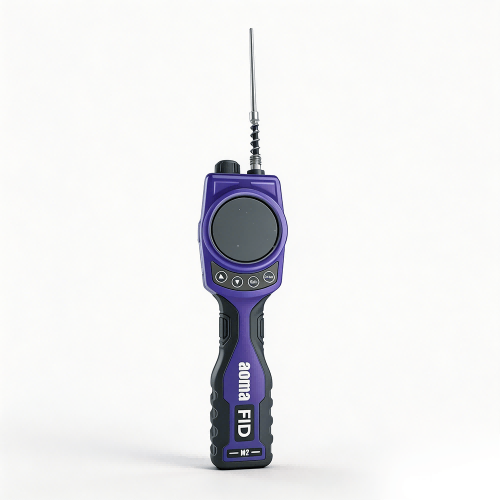
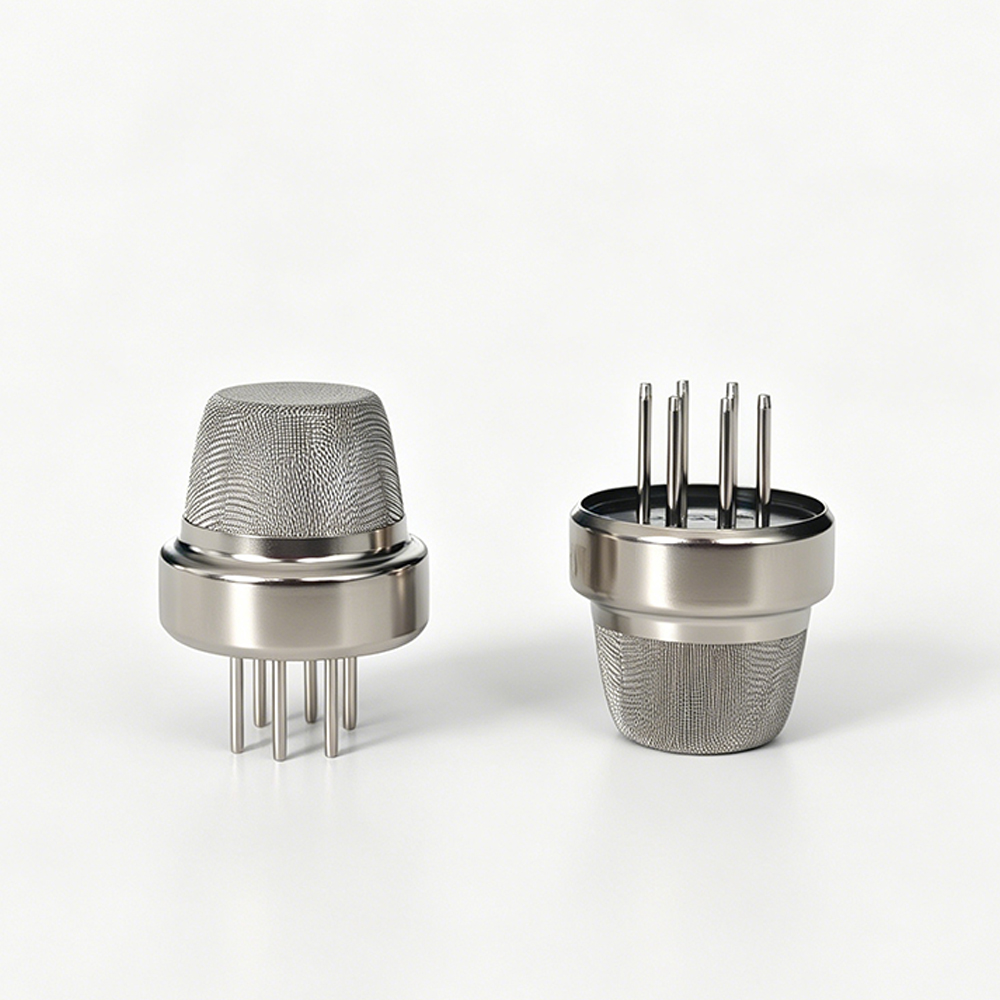
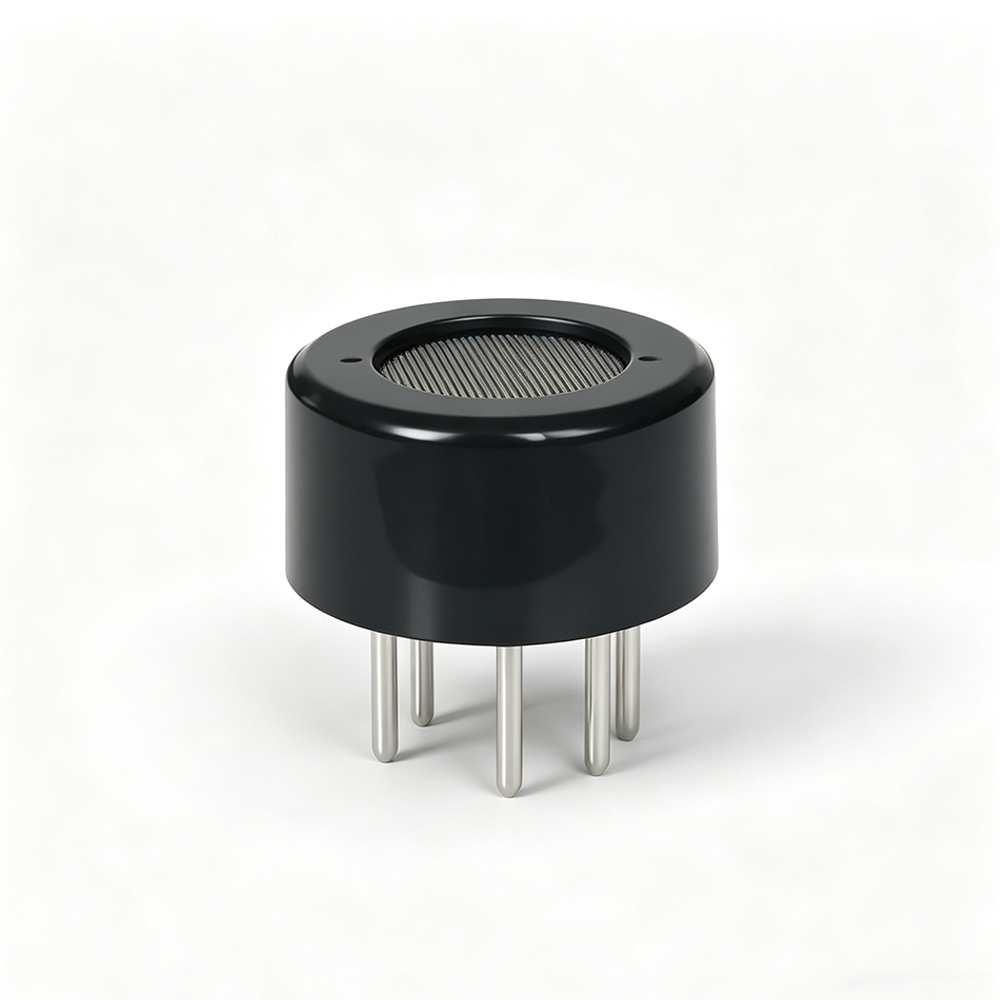
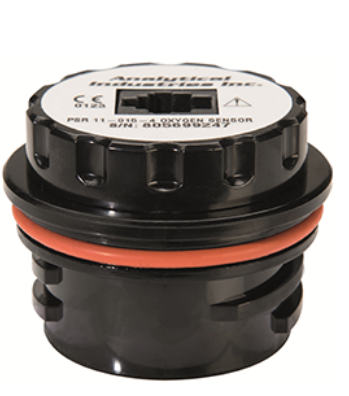
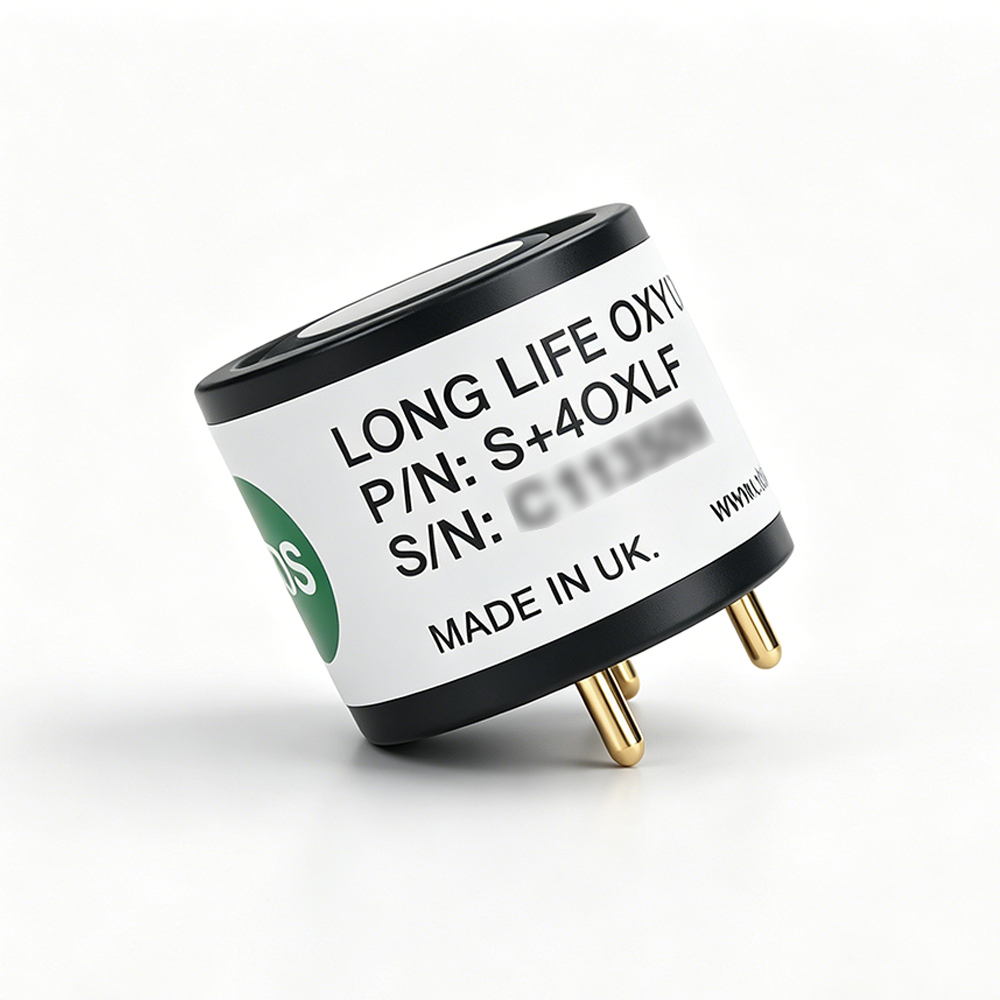
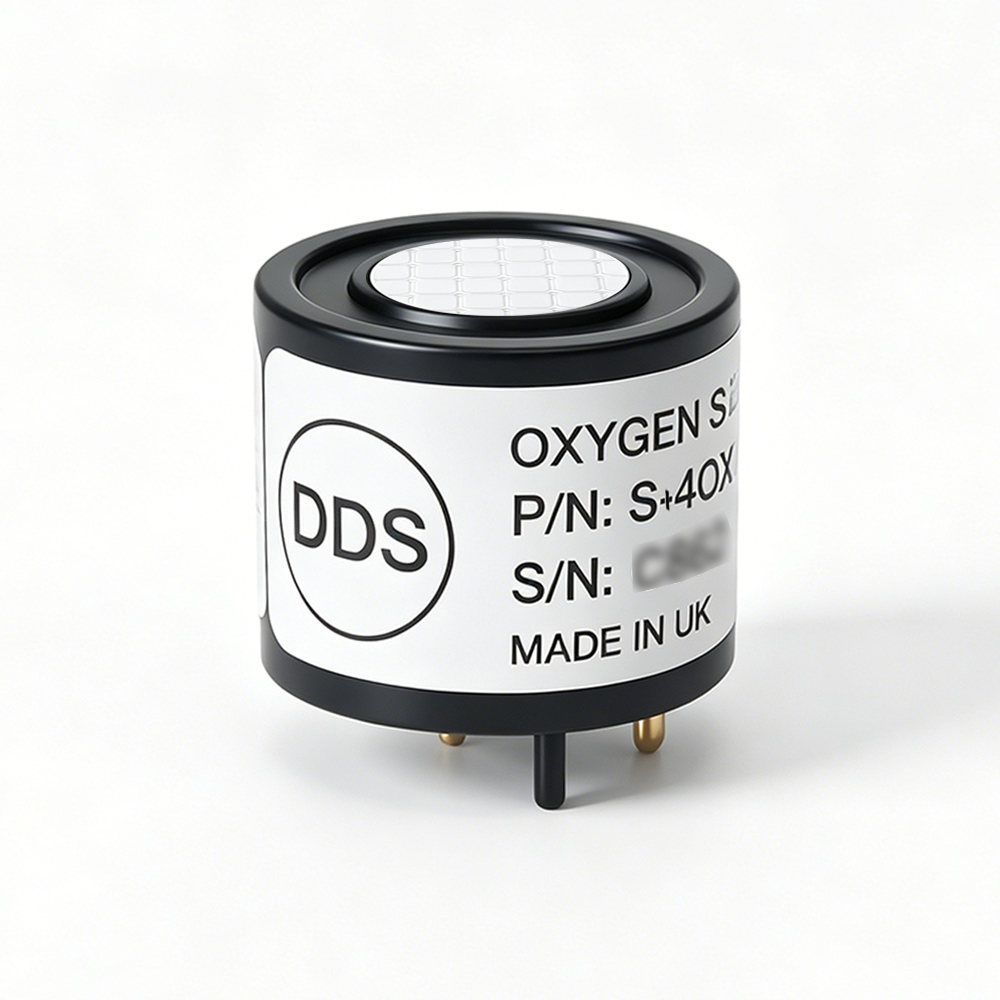
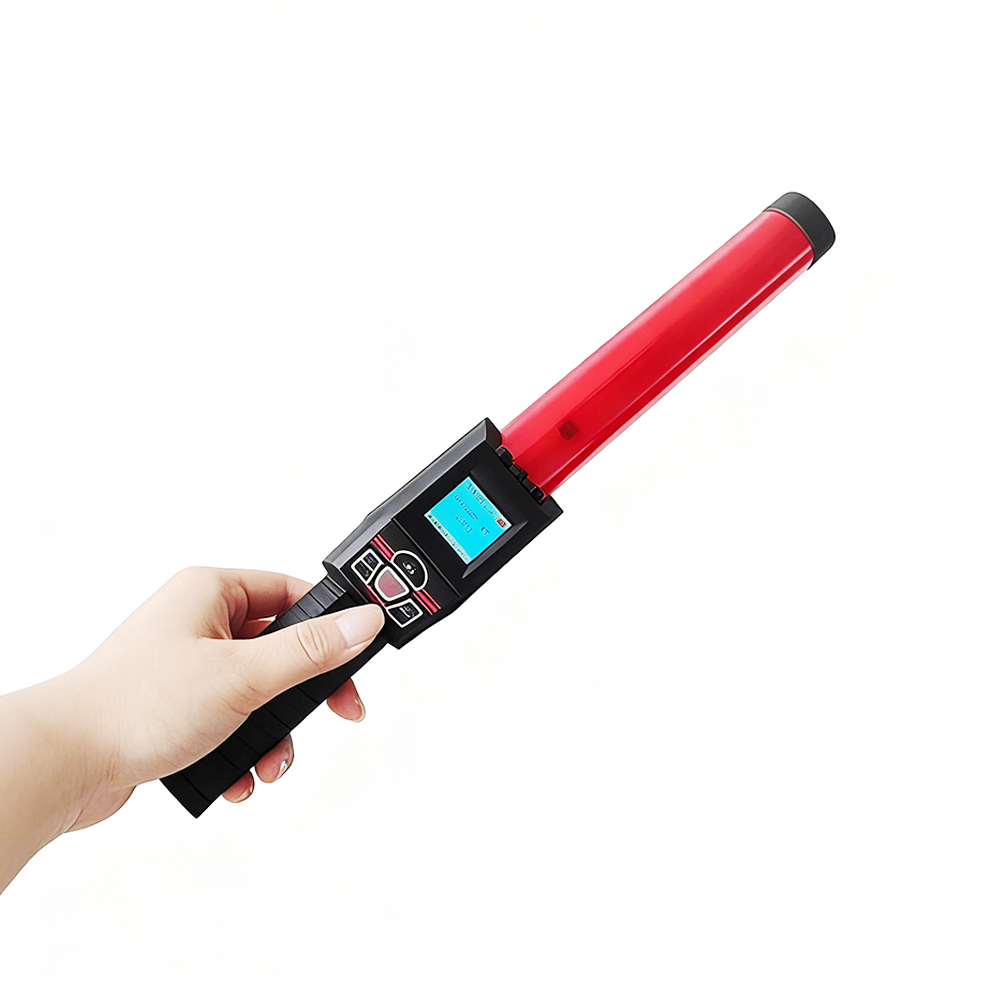
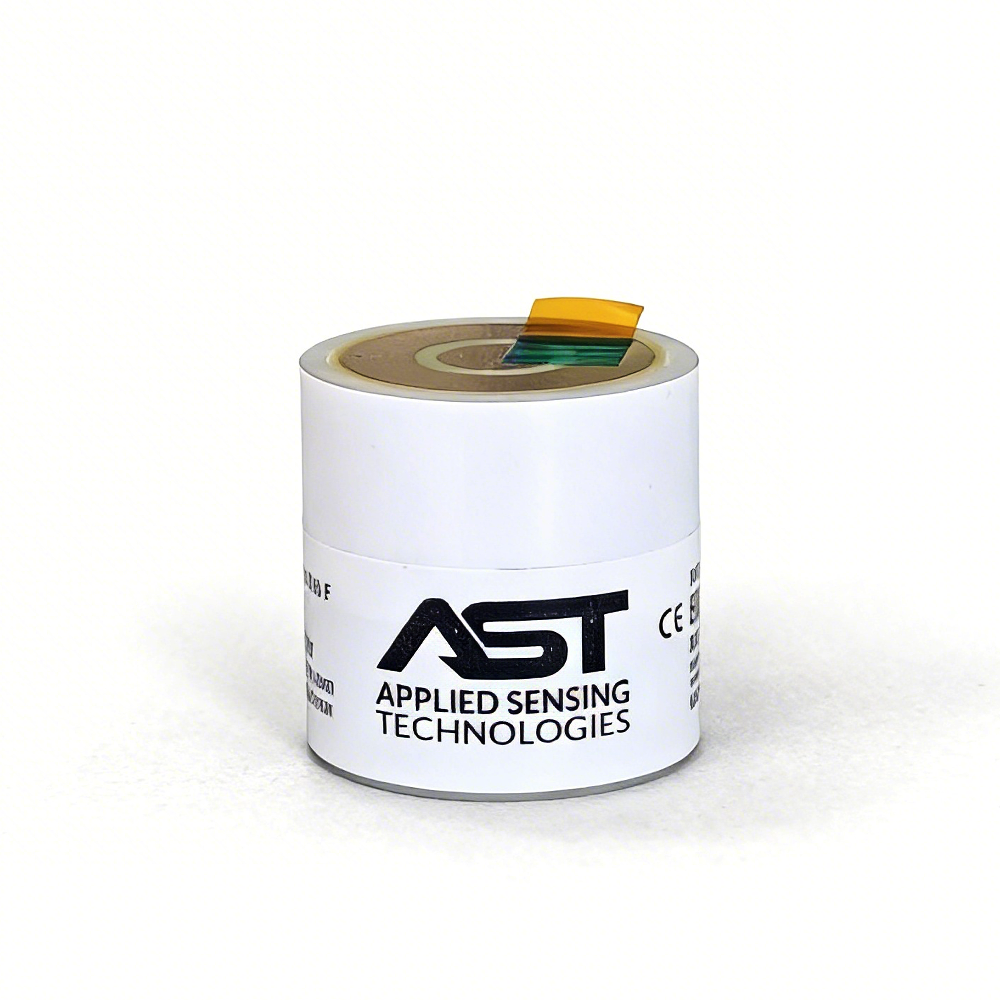
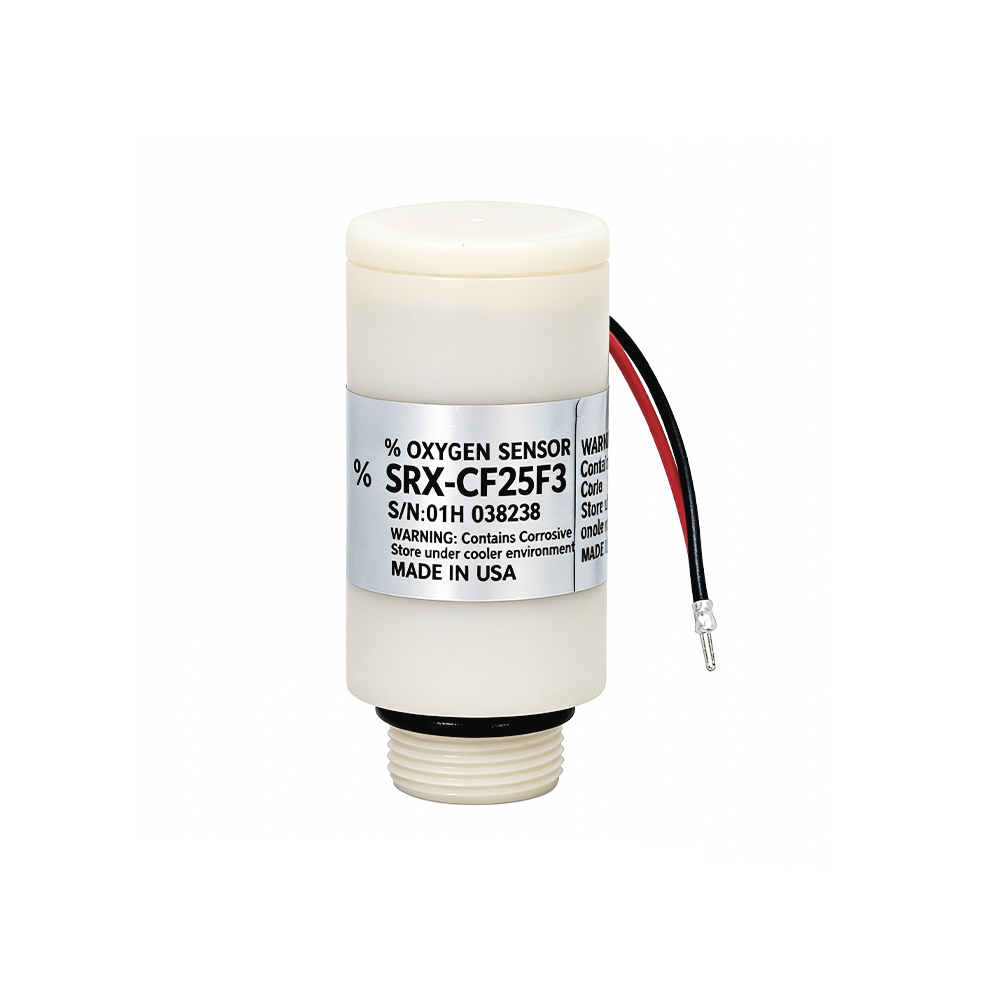
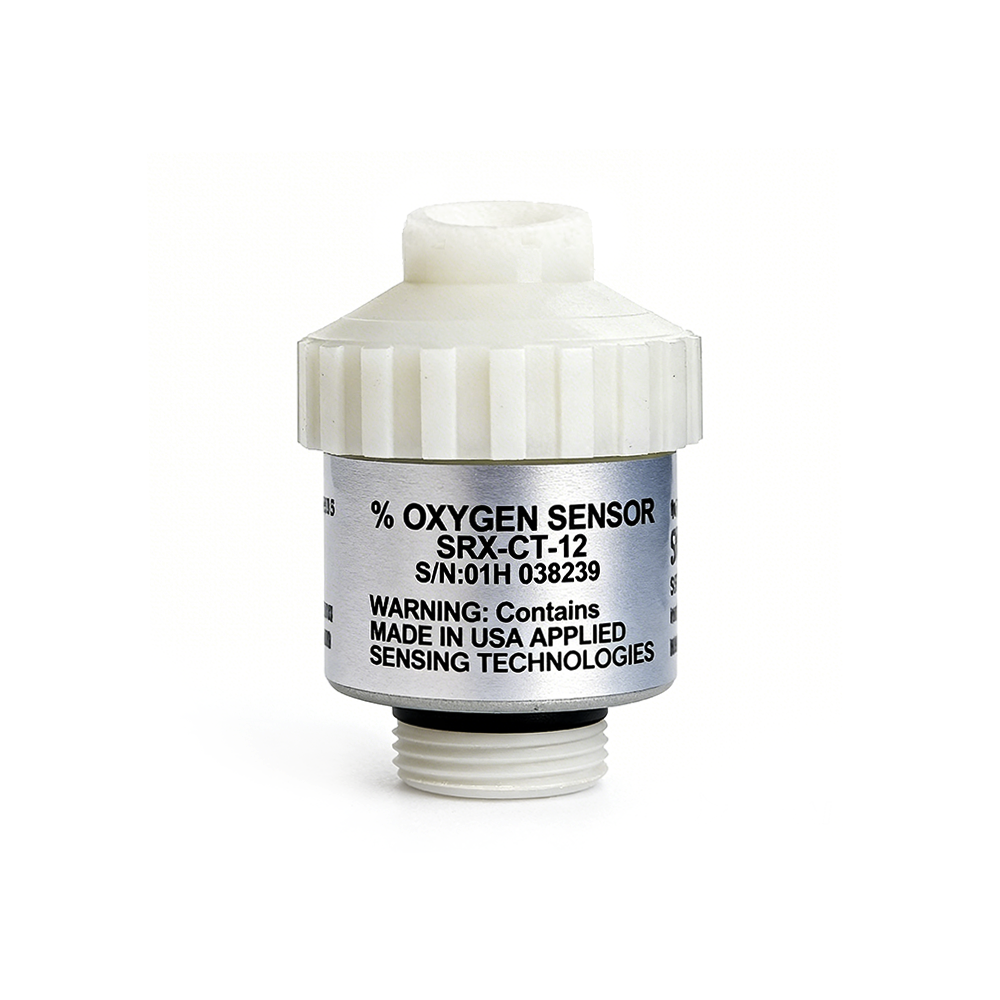
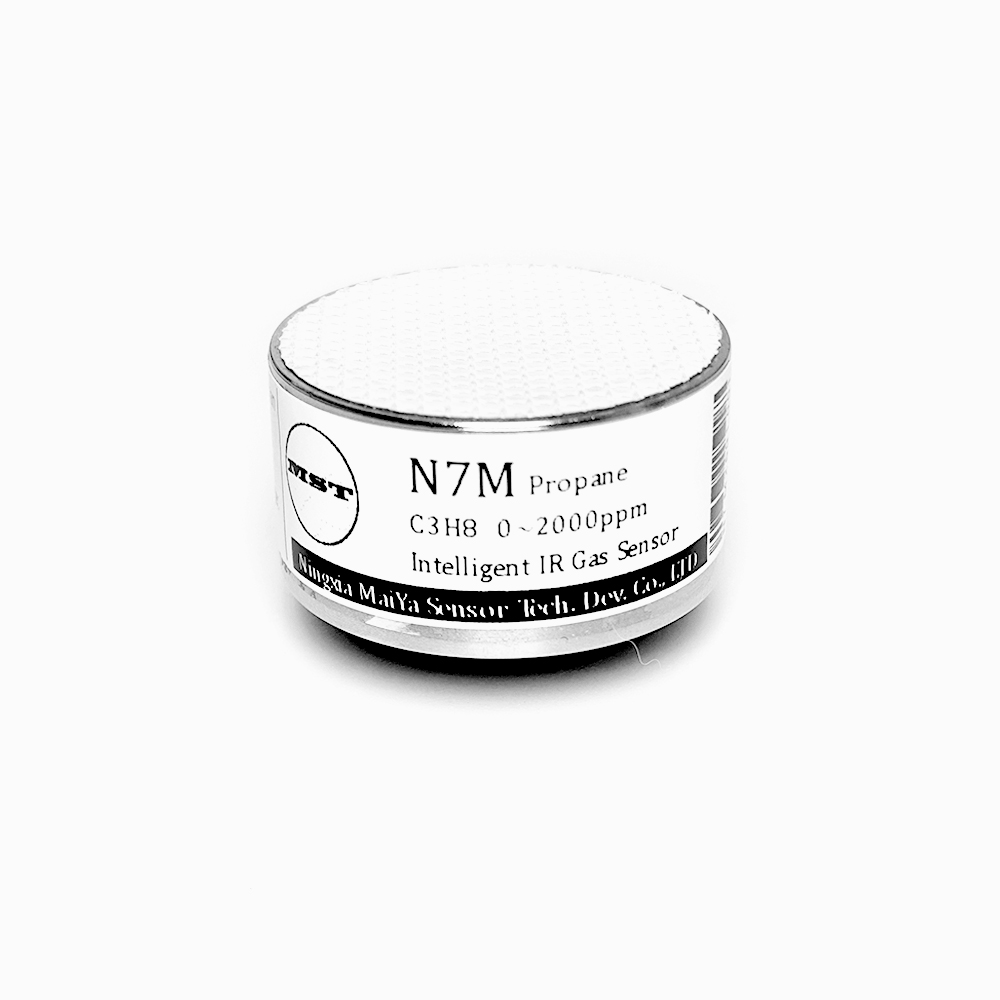
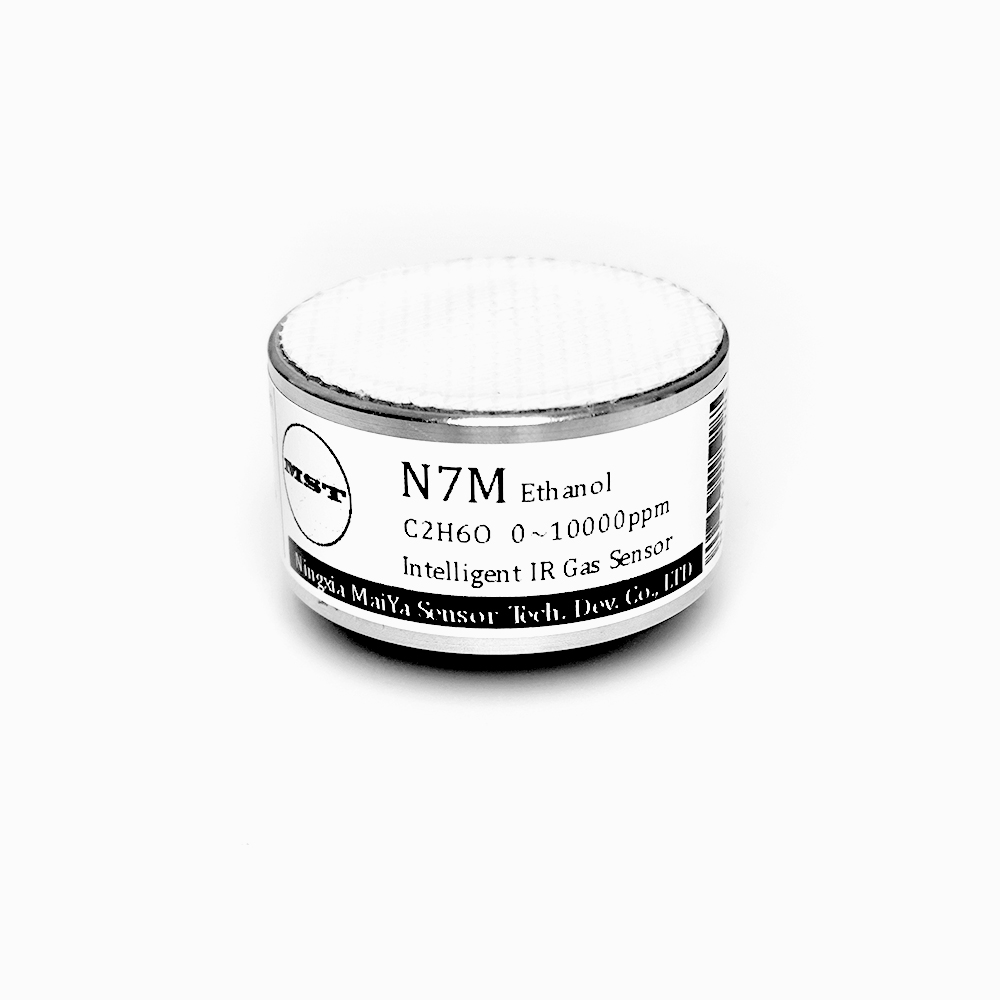
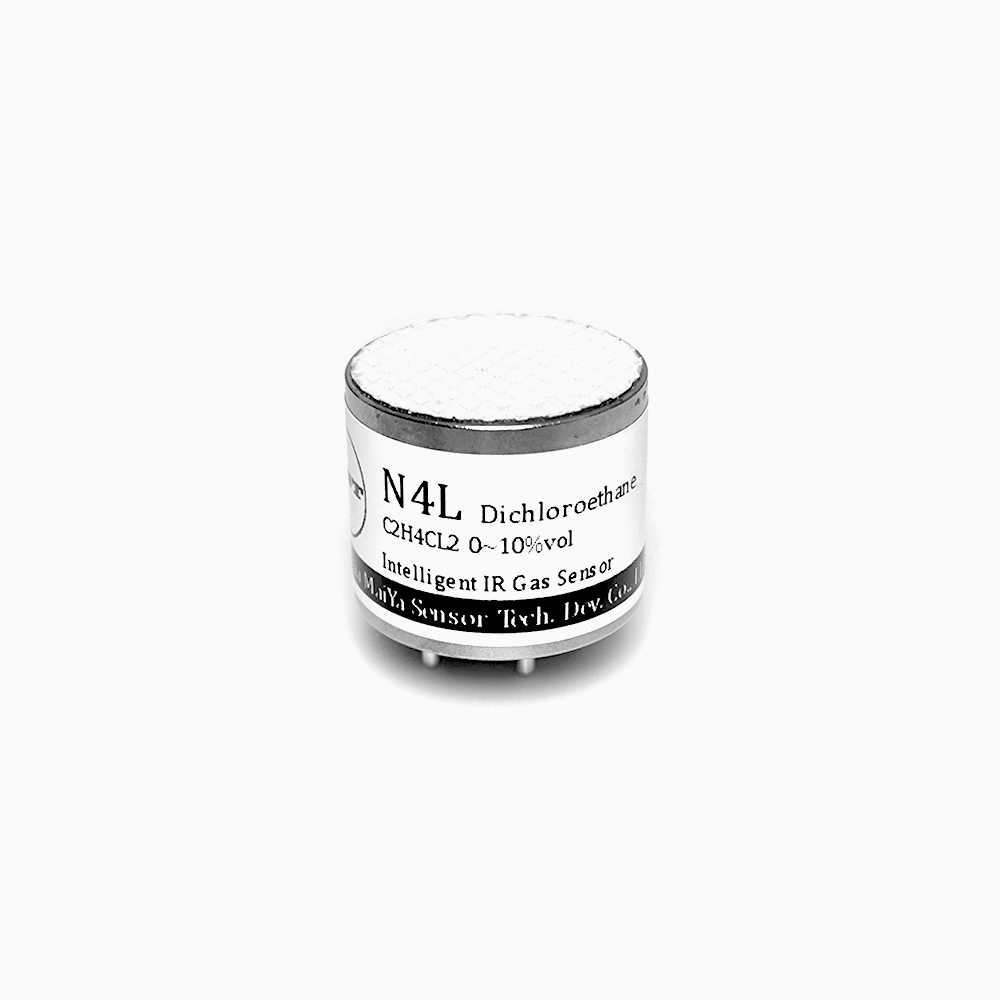
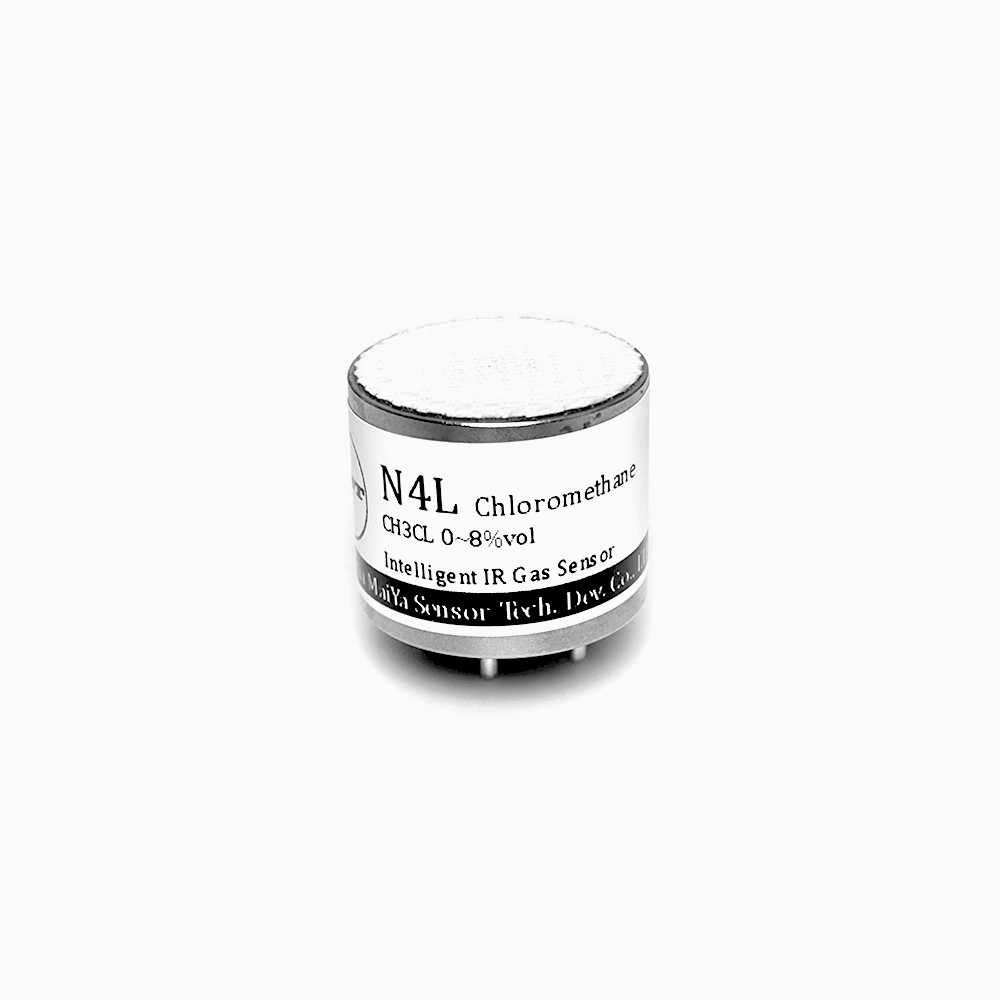
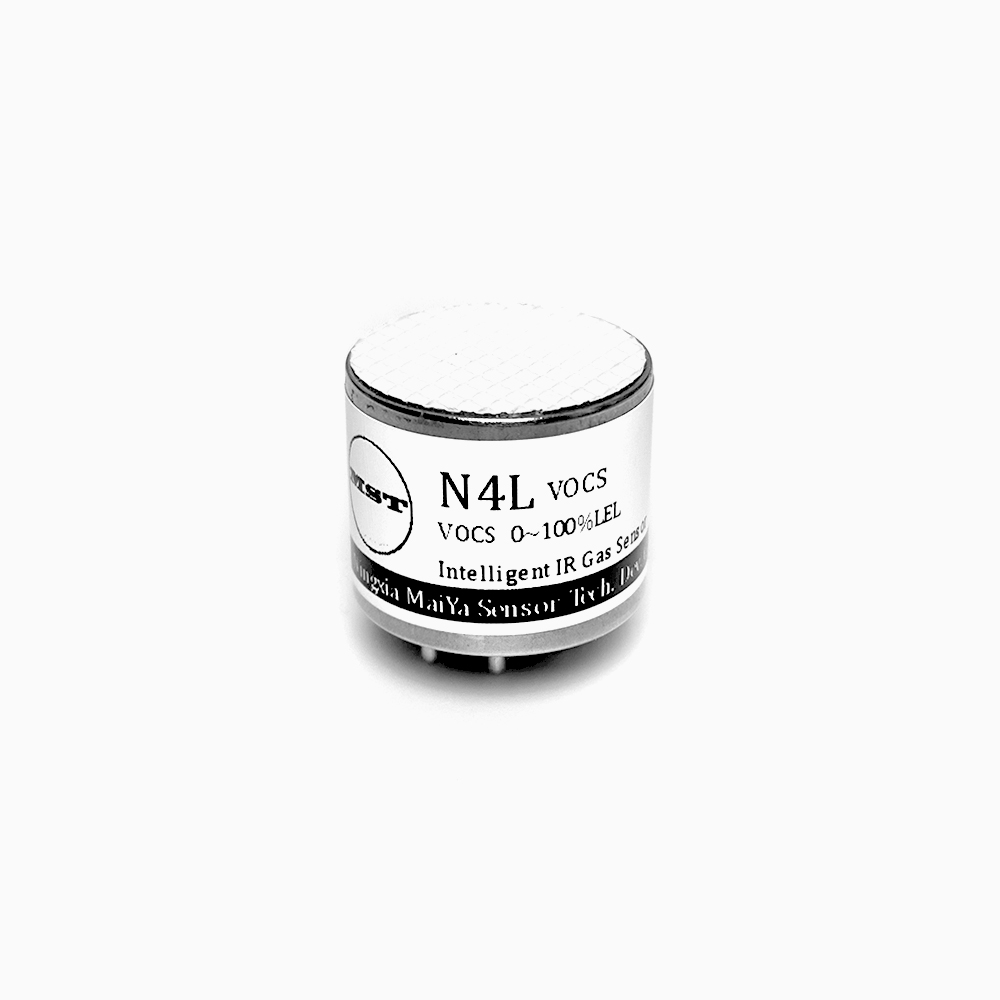
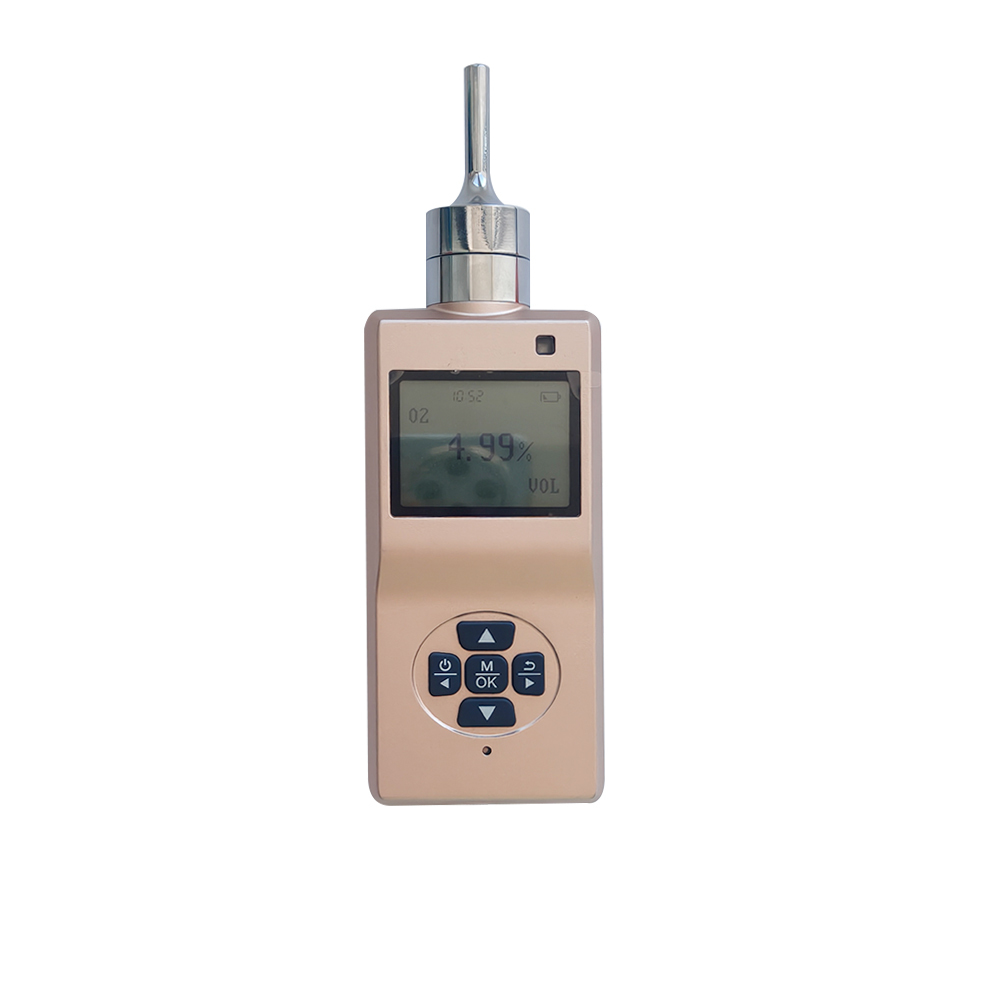
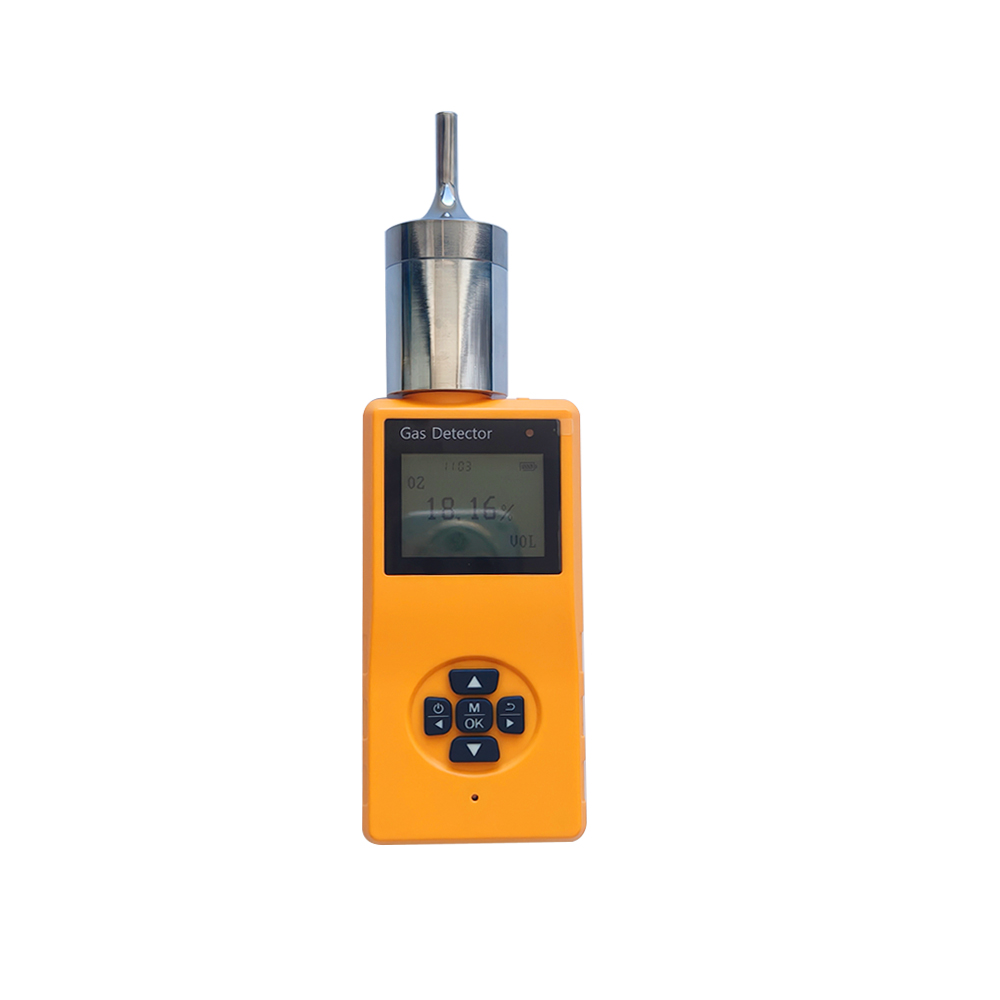
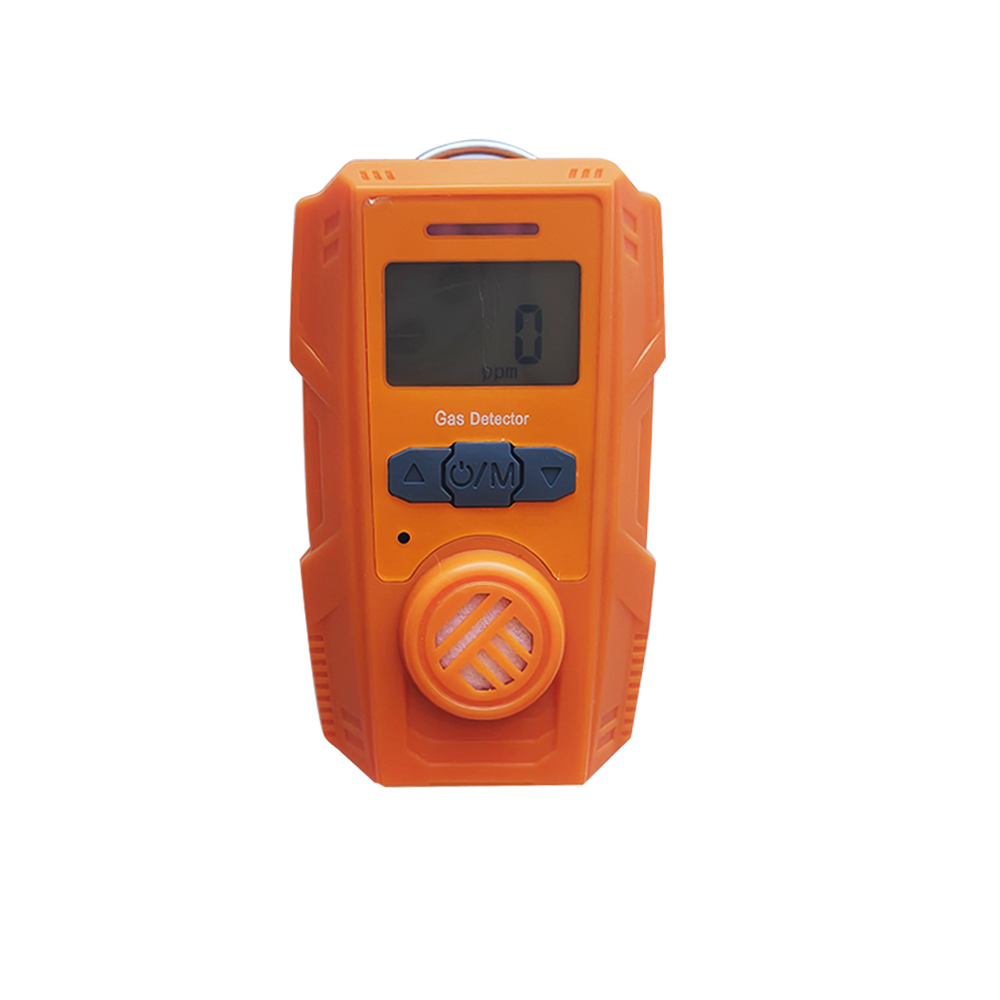
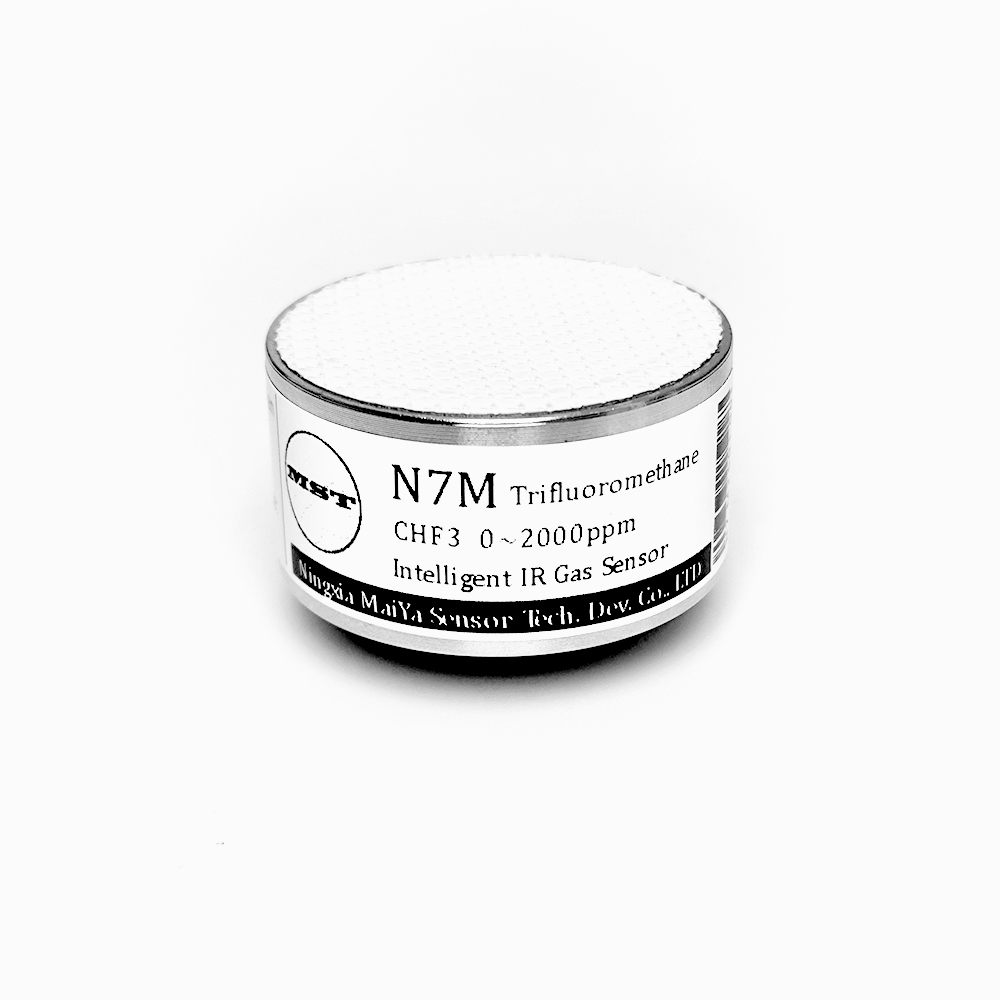
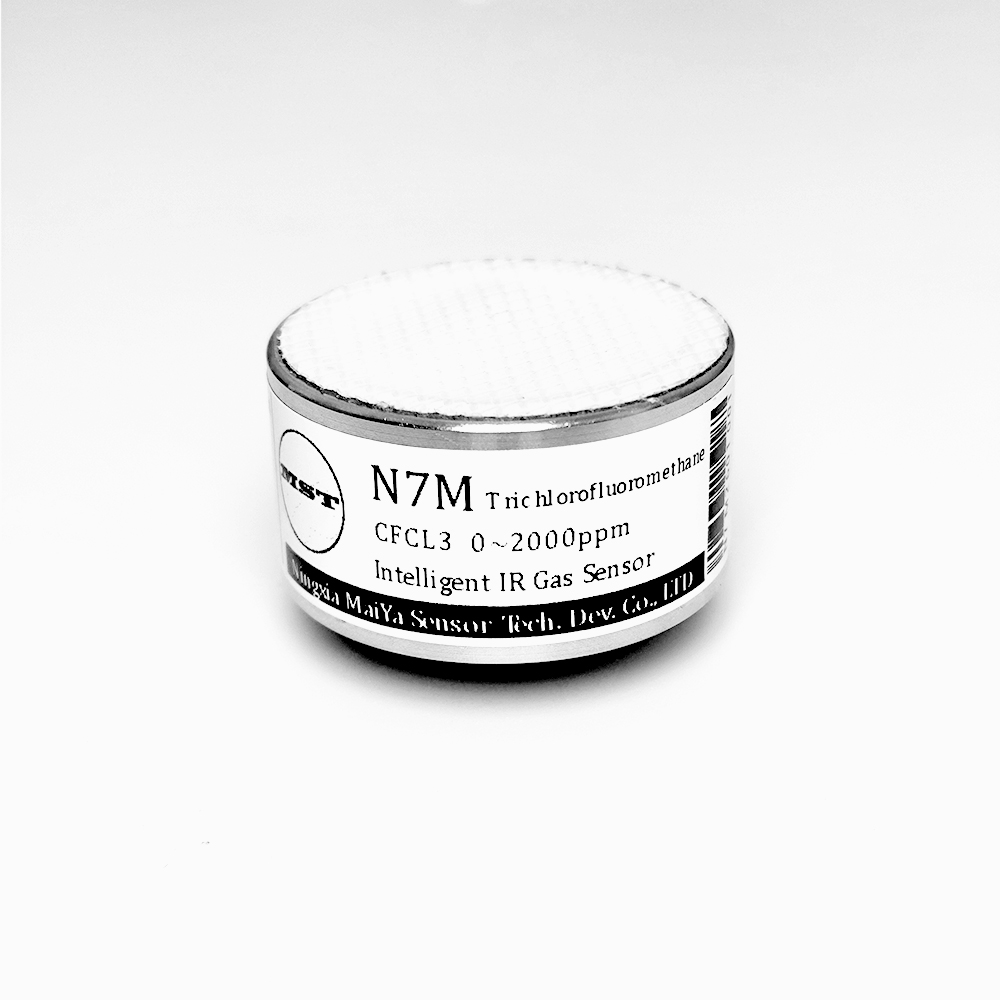
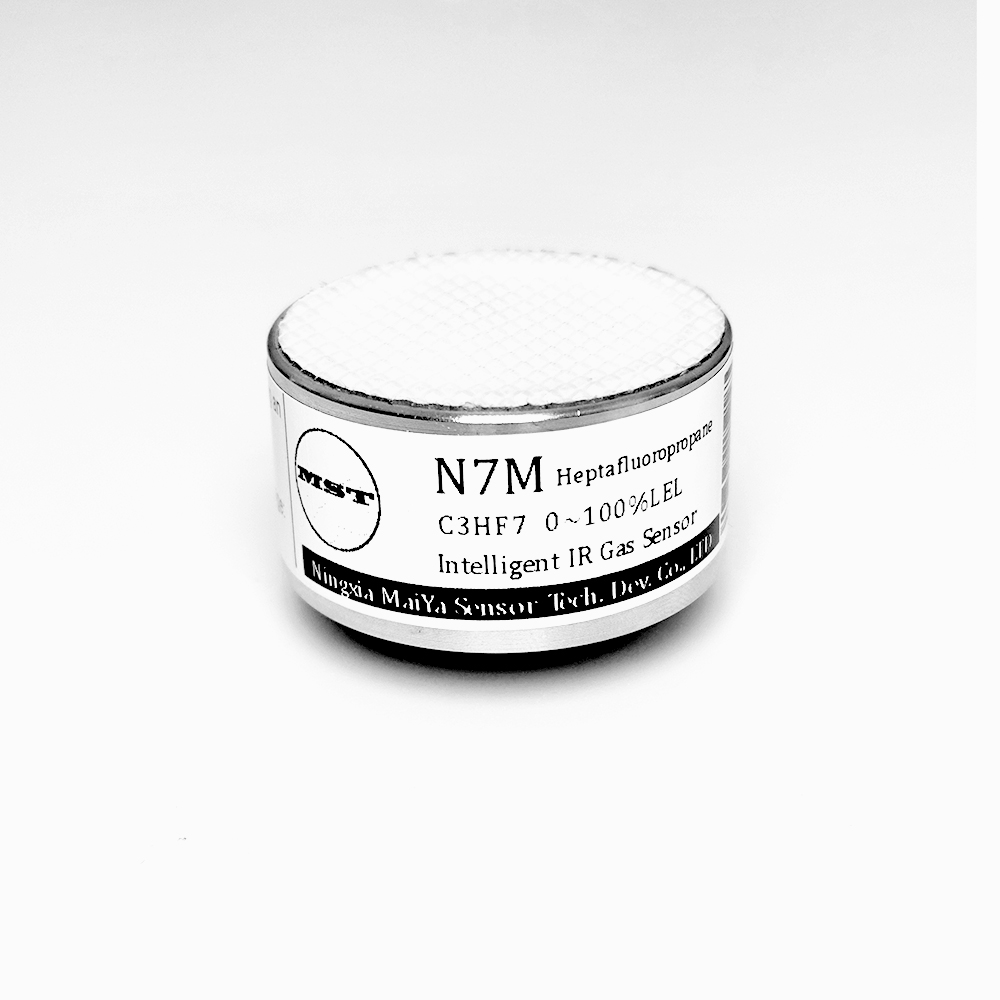
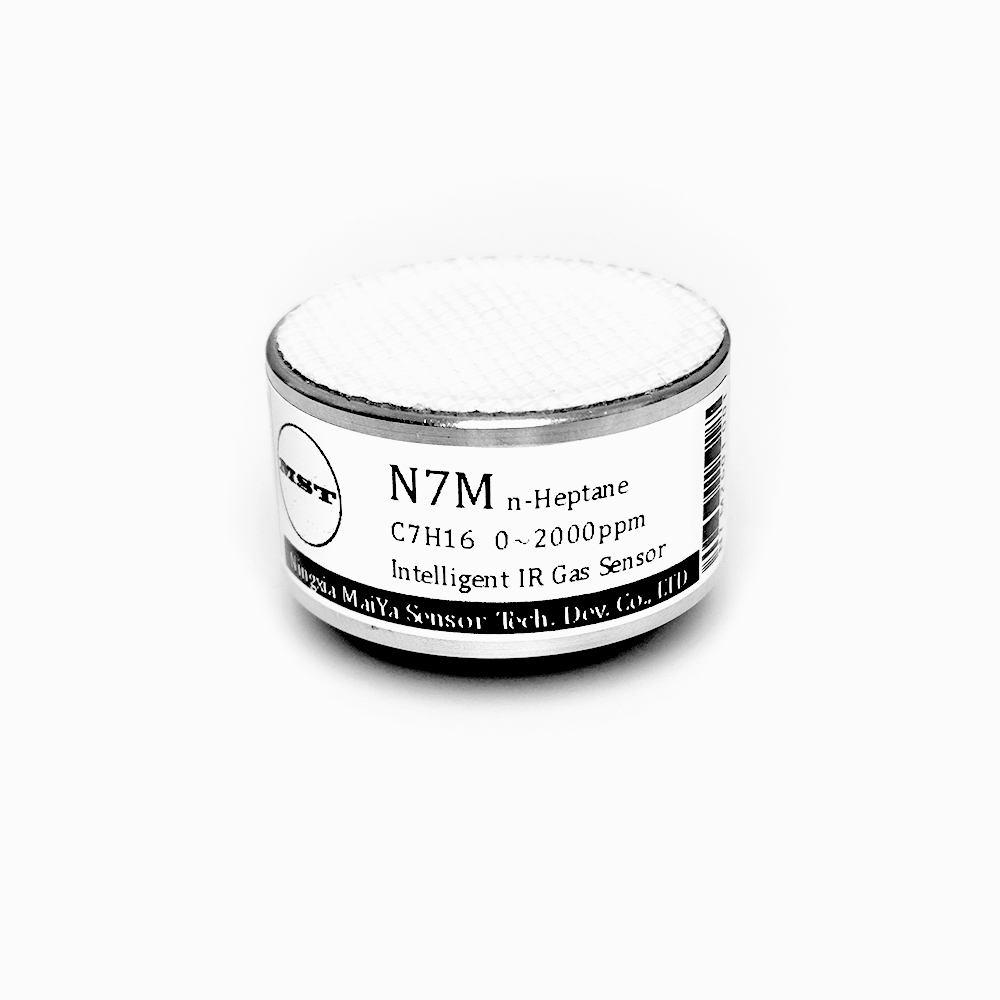
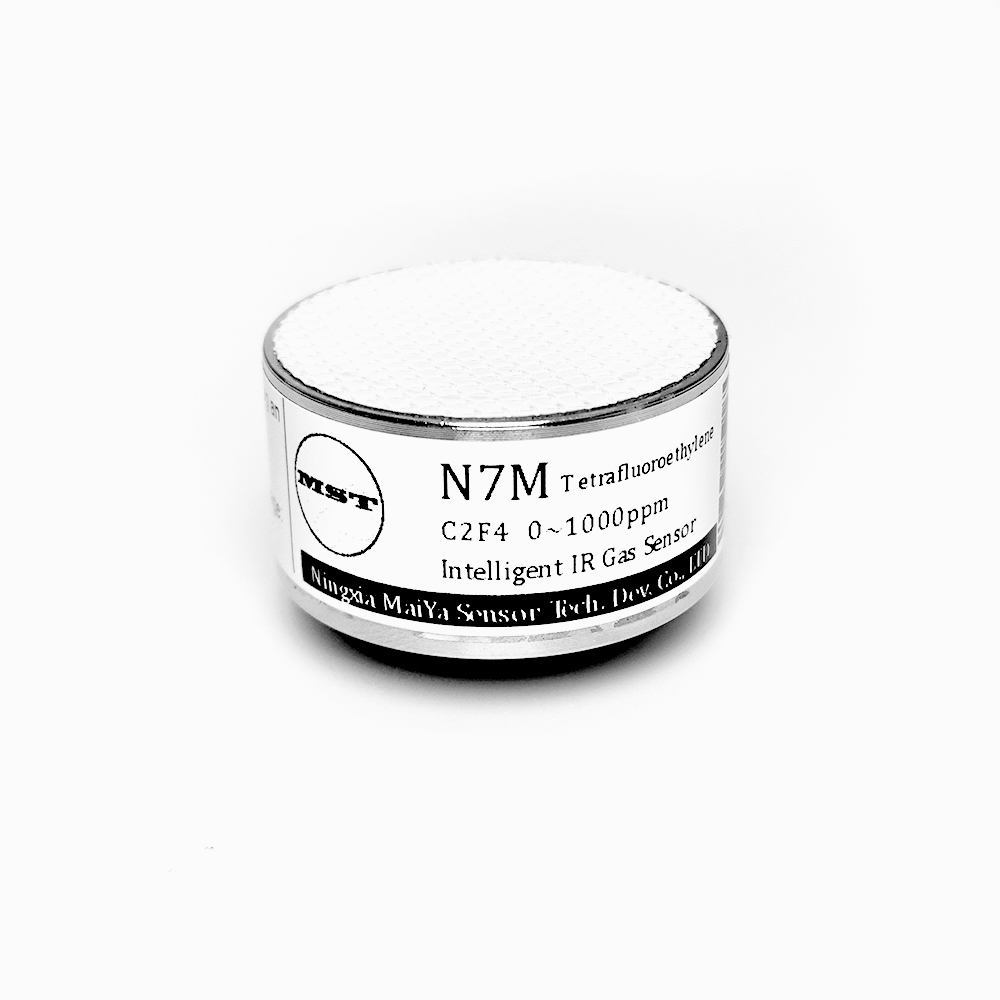
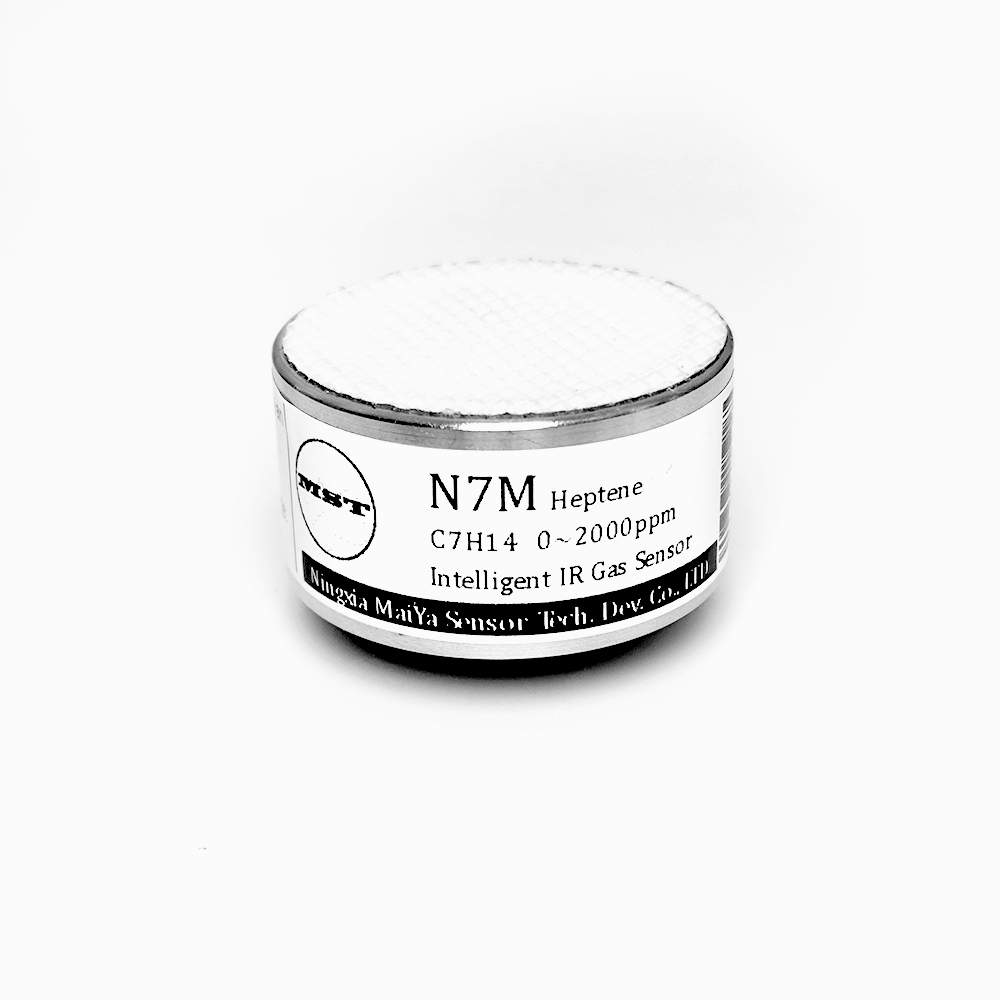
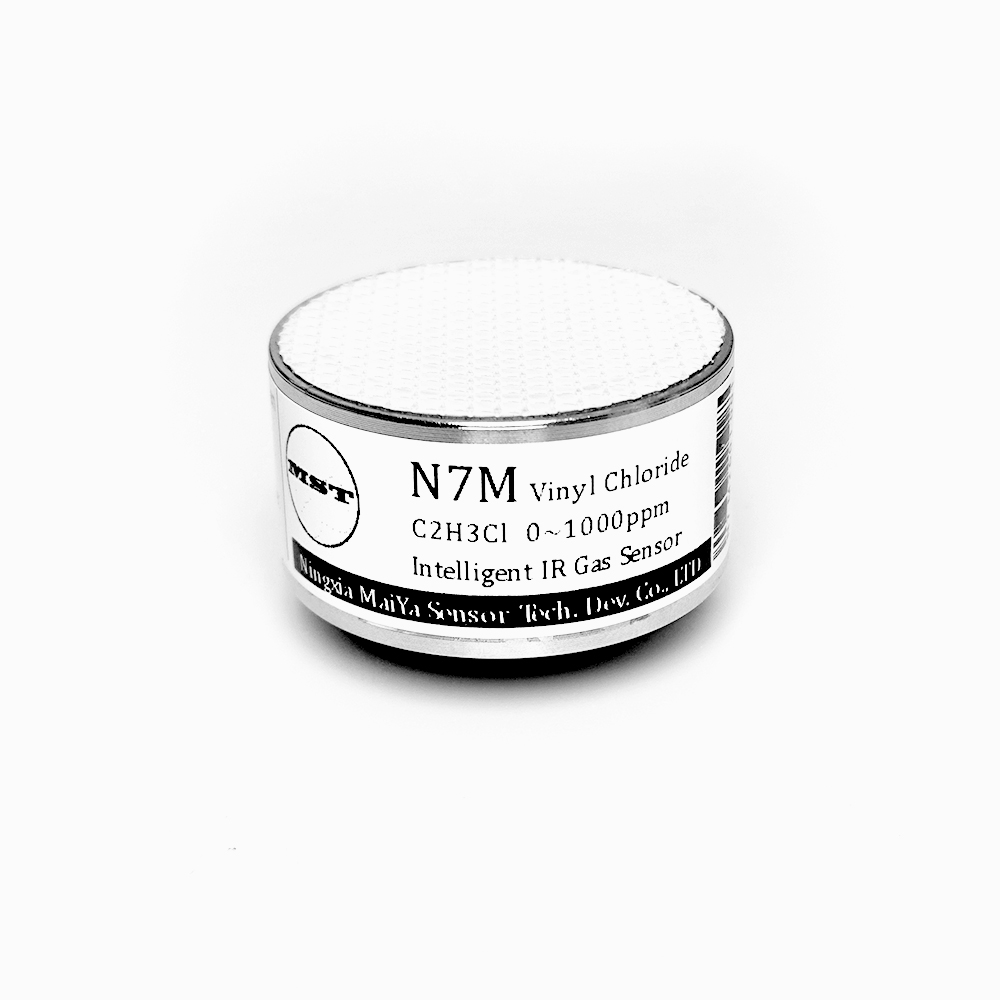
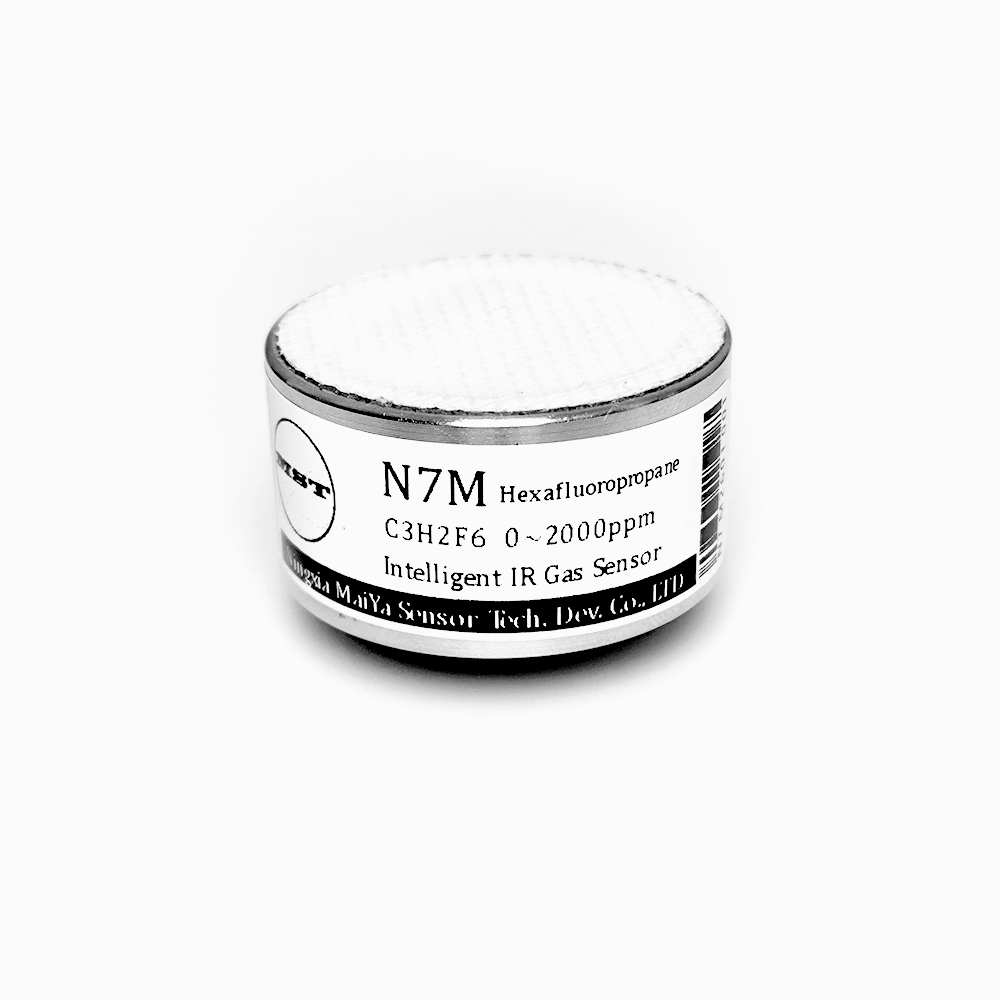
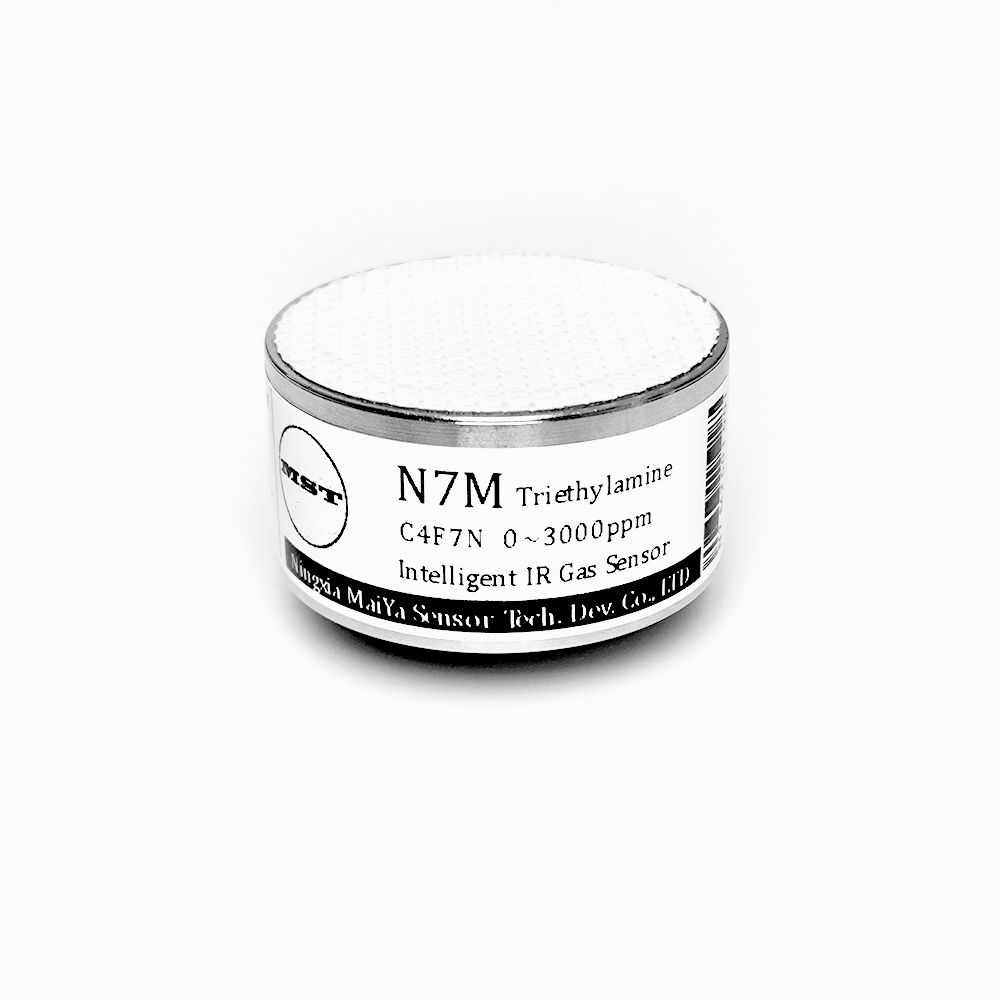
Core Product: Special Gas Sensors for New RefrigerantsWe have carried out special optimization for the chemical characteristics of Class A2L and A3 refrigerants, with the following core advantages:
Accurate Identification, Zero False Alarms
Fast Response, Early Warning
Wide Temperature Range Design, Adaptable to High Temperature environment
Long Service Life, Low Maintenance
 Hot News
 EN
EN
 CH
CH AR
AR BG
BG DA
DA NL
NL FR
FR DE
DE EL
EL HI
HI IT
IT JA
JA KO
KO PL
PL PT
PT RO
RO RU
RU ES
ES SV
SV TL
TL IW
IW ID
ID LV
LV UK
UK VI
VI TH
TH TR
TR FA
FA MS
MS SW
SW GA
GA BE
BE UR
UR BN
BN MY
MY SI
SI KU
KU