01
Pretreatment Stage: High-Risk Zone for High-Concentration Hydrogen Sulfide
Pretreatment is the first process of wastewater treatment, which mainly removes floating objects, grit and large particle impurities in wastewater through physical methods to create conditions for subsequent biochemical treatment. This stage includes three core units: coarse/fine screens, grit chamber and equalization tank.
Core Gas Risk: Hydrogen Sulfide (H₂S)
02
Secondary Treatment Stage: Coexistence of Flammable, Explosive and Toxic Gases
Secondary treatment is the core link of wastewater treatment, which degrades organic pollutants in wastewater through microorganisms in activated sludge to achieve nitrogen and phosphorus removal. This stage includes anaerobic tanks, anoxic tanks, aerobic tanks and secondary sedimentation tanks, and is a high-risk area where multiple gases are mixed and produced.
Core Gas Risks
Methane (CH₄):
Ammonia (NH₃):
Hydrogen Sulfide (H₂S):
03
Advanced Treatment Stage: Toxic Chlorine Leakage Risk
Advanced treatment is based on secondary treatment, which further removes suspended solids, total phosphorus, bacteria and viruses in water through chemical methods to ensure that the effluent quality meets the standard. This stage includes high-efficiency sedimentation tanks, filtration facilities and disinfection facilities.
Core Gas Risk: Chlorine (Cl₂)
04
Sludge Treatment and Disposal Stage: High-Risk Area for Confined Space Operations
Sludge treatment is to reduce, stabilize and harmlessly treat the excess sludge produced by secondary treatment. The main processes include sludge thickening, dewatering and final disposal. Most of the operations in this stage are carried out in closed sludge wells, thickening tanks and dewatering rooms, which are high-incidence areas for confined space accidents.
Core Gas Risk
A large amount of hydrogen sulfide, methane and ammonia are produced during the anaerobic decomposition of sludge, and these gases accumulate in closed sludge wells and thickening tanks with extremely high concentrations. During well-down maintenance and desilting operations, if adequate gas detection and ventilation are not carried out, poisoning and explosion accidents are very likely to occur.
Prevention and Control Solutions
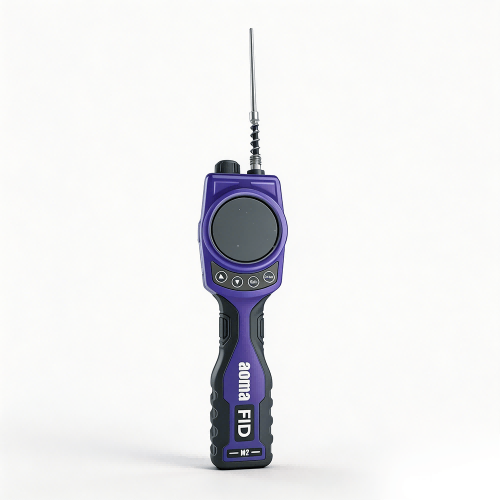
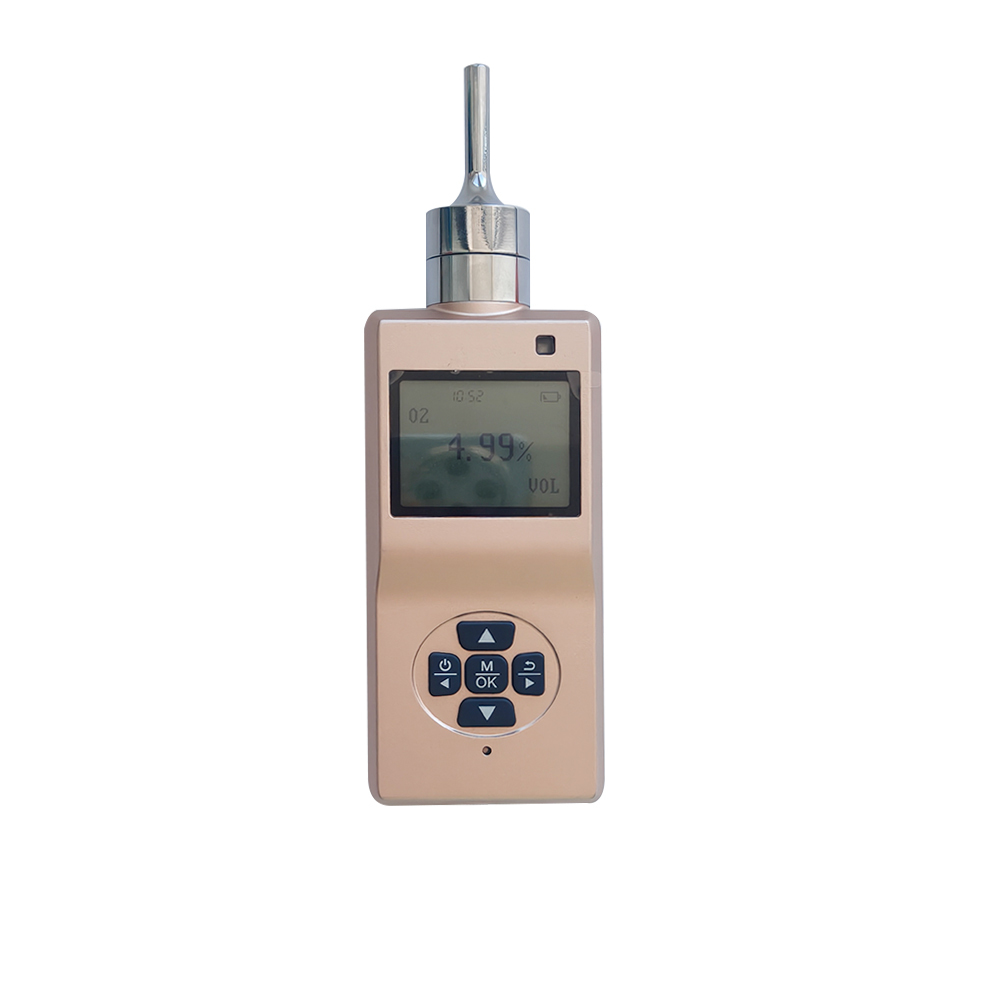
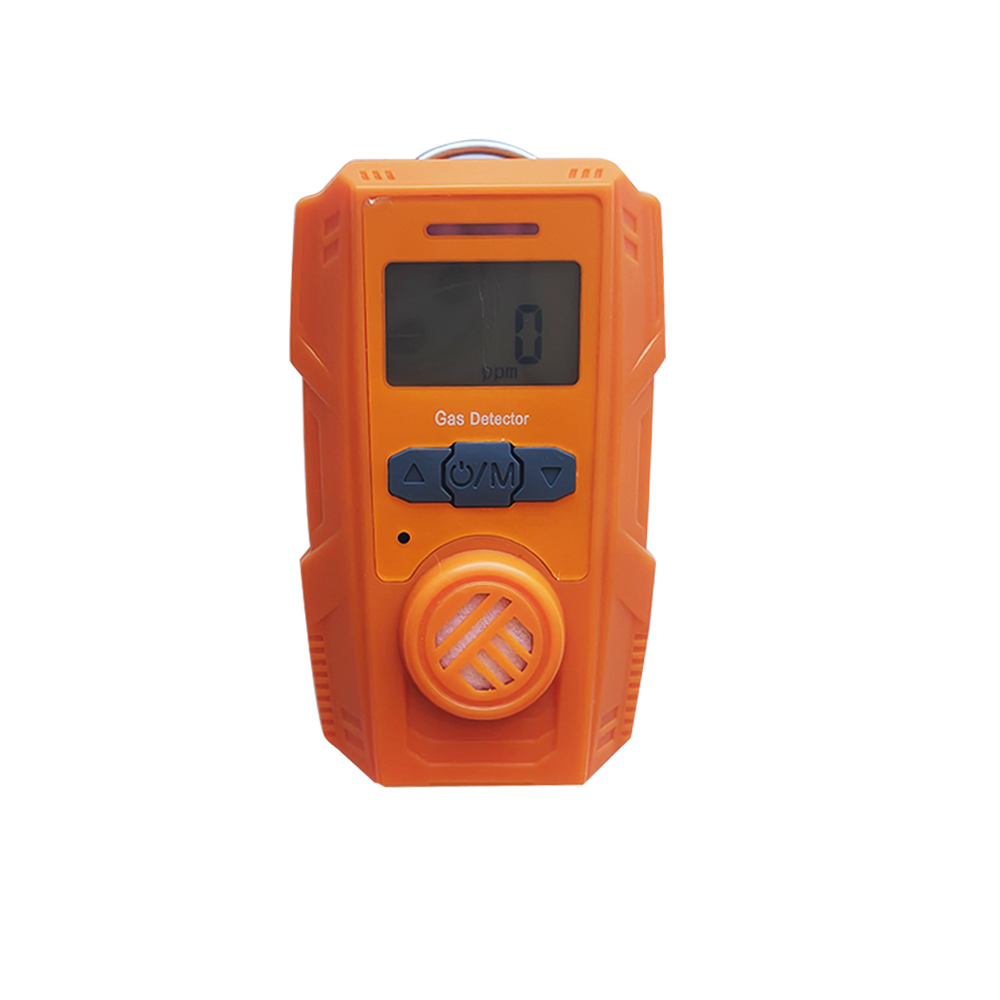
Pre-Operation Detection: Before going down the well, it is necessary to use the MST 410P Pump Gas Detector with an extended hose of more than 10 meters and a float ball to conduct layered detection of gases at different depths in the well. Only after confirming that the concentrations of H₂S, CH₄ and NH₃ meet the standards and the oxygen concentration is between 19.5% and 23.5% can personnel go down the well for operation.
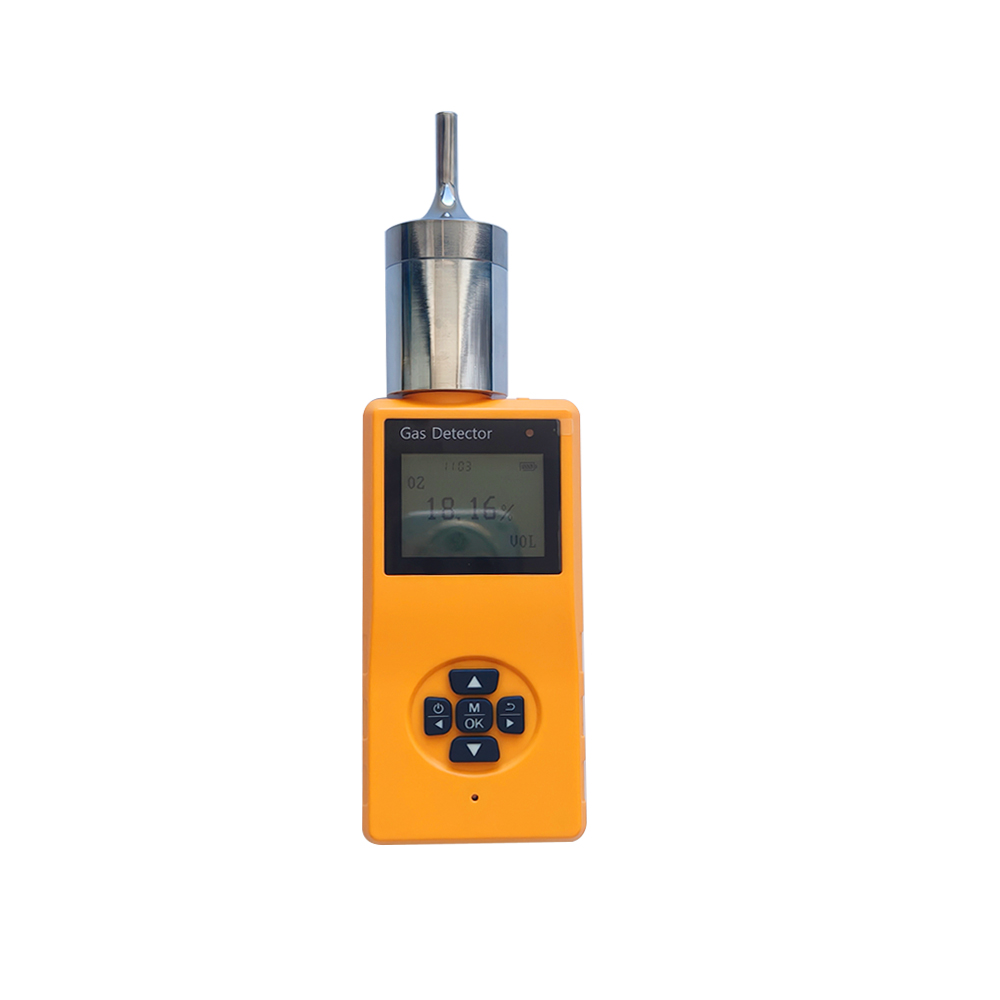
In-Operation Monitoring: Personnel going down the well must carry the MST 410 Portable 4-in-1 Gas Detector with them to monitor the gas concentration in the operating environment in real time. Ground supervisors can simultaneously grasp the underground situation through the remote data transmission function (optional) of the detector, and immediately organize evacuation once an alarm occurs.
05
Core Principles of Gas Detection in Wastewater Treatment Plants
Full-Process Coverage: From the inlet screen to sludge disposal, each process section should be equipped with corresponding detection equipment according to the characteristics of gas risks, leaving no safety dead ends.
Combination of Fixed Monitoring and Mobile Inspection: Fixed detectors realize 24-hour continuous monitoring, and portable detectors meet the detection needs before daily inspection and confined space operations, complementing each other.
System Linkage: Link the gas detection system with the plant's ventilation, alarm and emergency shut-off systems to realize an automated closed loop of "detection-alarm-disposal".
Regular Calibration and Maintenance: Gas detectors are precision instruments and must be calibrated and maintained regularly in accordance with the requirements of the manual to ensure accurate and reliable detection data.
 Hot News
 EN
EN
 CH
CH AR
AR BG
BG DA
DA NL
NL FR
FR DE
DE EL
EL HI
HI IT
IT JA
JA KO
KO PL
PL PT
PT RO
RO RU
RU ES
ES SV
SV TL
TL IW
IW ID
ID LV
LV UK
UK VI
VI TH
TH TR
TR FA
FA MS
MS SW
SW GA
GA BE
BE UR
UR BN
BN MY
MY SI
SI KU
KU